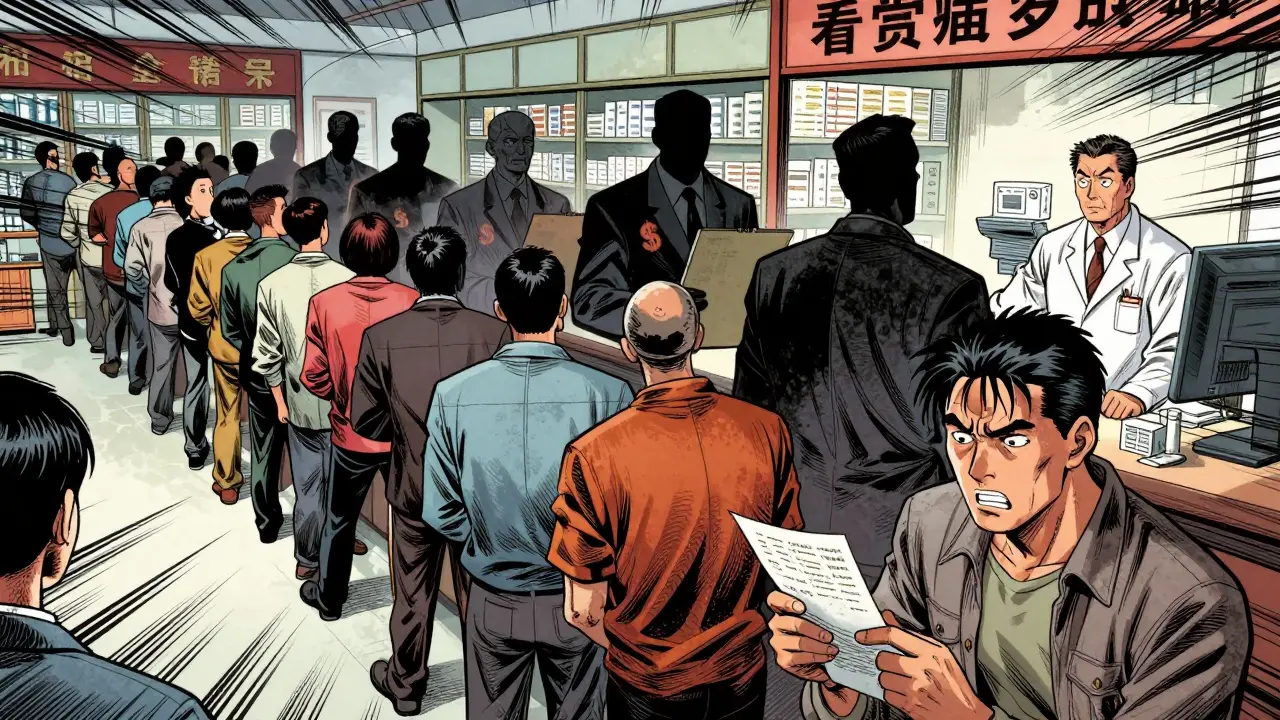
For decades, buying medication meant a predictable chain of events: you visit a doctor, get a paper or digital prescription, drive to a local pharmacy, wait in line, and hope your insurance covers the cost. But that model is cracking under the weight of rising prices and middlemen taking large cuts. Enter Direct-to-consumer (DTC) generic pharmacies, an emerging sector where platforms sell medications directly to patients, often bypassing traditional intermediaries like Pharmacy Benefit Managers (PBMs) and wholesalers.
This isn't just about convenience; it's a fundamental shift in how drugs are distributed and priced. While major pharmaceutical companies like Eli Lilly and Pfizer have launched their own DTC platforms for brand-name drugs, a parallel movement is happening with generics. Companies like Ro, Hims & Hers, and Honeybee Health are pioneering cash-based generic delivery, offering discounts that challenge the status quo. If you're curious about why this matters, how these new business models work, and whether they're safe, here’s what you need to know.
The Problem with Traditional Drug Distribution
To understand why DTC pharmacies are gaining traction, we first need to look at the old system. Traditionally, the path from manufacturer to patient looked like this: Manufacturer → Wholesaler → PBM → Retail Pharmacy → Patient. Each step added complexity and cost.
The biggest bottleneck has been the PBM. These organizations negotiate rebates with drug manufacturers but often keep a significant portion of those savings rather than passing them on to consumers or insurers. In 2024, the "Big Three" PBMs-CVS Caremark, Express Scripts, and OptumRx-generated $28 billion in gross profit alone. This created a massive gap between the list price of a drug and the net price received by manufacturers, leaving patients stuck paying high out-of-pocket costs.
DTC models aim to cut out these middlemen. By selling directly to patients, platforms can offer transparent cash-pay pathways. For generic medications specifically, this often means prices 30-50% lower than what you’d pay at a traditional retail pharmacy. It’s a direct response to consumer frustration with opaque pricing and high deductibles.
How DTC Generic Pharmacies Operate
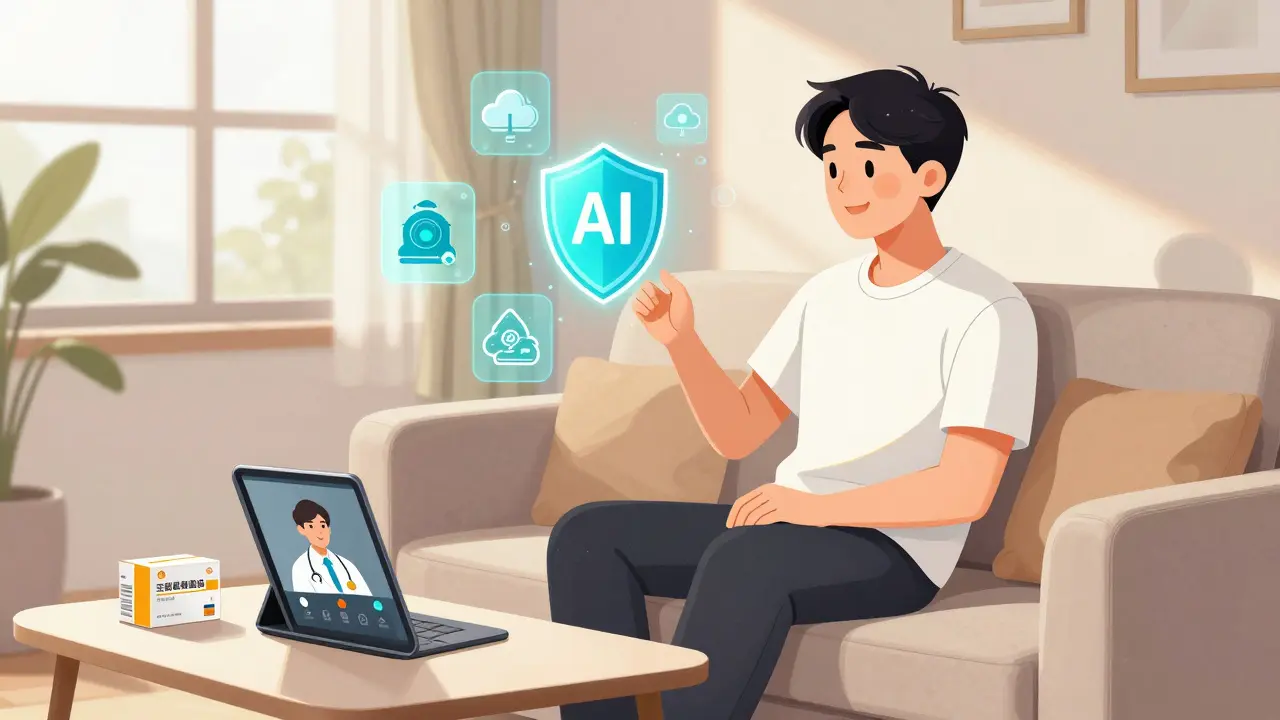
The modern DTC pharmacy isn’t just an online store; it’s a tech-enabled healthcare ecosystem. The most successful platforms integrate several key components into a single workflow:
- Telehealth Services: Patients consult with licensed providers via video or chat. This is crucial because many DTC platforms require a diagnosis before prescribing.
- E-Prescribing Integration: Once diagnosed, the provider sends the prescription digitally to the platform’s internal pharmacy system.
- Home Delivery: Medications are shipped directly to the patient’s door, often with subscription options for chronic conditions.
- Adherence Support: AI-driven reminders and health assistants help patients stay on track with their medication schedules.
Take Ro, for example. In Q1 2025, they processed approximately 2.1 million prescription orders. Their model relies on streamlined supply chains and packaging that reduce waste compared to traditional distribution. Similarly, Honeybee Health uses data analytics to predict health trends and personalize care plans. These platforms use cloud computing to ensure real-time data access, making the entire process faster and more efficient than visiting a physical pharmacy.
Key Players in the DTC Generic Space
The market is split between two types of players: established telehealth companies focusing on generics and big pharma companies expanding into DTC for brand-name drugs. Here’s a breakdown of the major entities shaping the landscape:
| Platform | Primary Focus | Key Feature | Average Savings vs. Retail |
|---|---|---|---|
| Ro | Generic Medications | High-volume telehealth integration | 30-50% |
| Honeybee Health | Generic Medications | Personalized adherence support | 30-50% |
| LillyDirect | Brand-Name Drugs | Full-stack DTP infrastructure | 10-15% |
| PfizerForAll | Brand-Name Drugs | Integrated disease management | 10-15% |
While LillyDirect and PfizerForAll are impressive for their comprehensive disease management tools, they primarily serve brand-name drugs. For patients seeking affordable generics, Ro and Honeybee Health are currently leading the charge. These platforms thrive on volume and efficiency, leveraging technology to keep operational costs low and pass savings to consumers.
Regulatory Challenges and Compliance
Building a DTC pharmacy isn’t as simple as setting up a website. The regulatory hurdles are steep. To operate legally across the United States, a platform must obtain pharmacy licenses in all 50 states plus Washington D.C. According to PharmExec’s September 2025 analysis, this process takes 14-18 months and costs around $2.3 million in legal and administrative fees.
Beyond licensing, platforms must comply with HIPAA regulations to protect patient data. Cybersecurity is paramount; any breach could destroy trust and lead to severe penalties. Additionally, the FDA has strict rules regarding medication handling and shipping. Temperature-sensitive drugs, for instance, require specialized packaging and monitoring.
Legal experts warn that compliance must be "designed into product flows, not bolted on." Pharmaceutical companies navigating the Stark Law and Anti-Kickback Statute face heightened scrutiny. As of late 2025, the Department of Justice opened investigations into potential anti-kickback violations in some DTC programs, though no major enforcement actions had been taken by November 2025. This uncertainty adds risk to the business model, requiring robust legal teams to navigate evolving laws.
User Experience: Pros and Cons
What do patients actually think about using DTC generic pharmacies? Feedback is mixed but generally positive regarding cost and convenience. A May 2025 survey by Drug Channels found that 73% of patients using DTC services for chronic conditions reported improved medication adherence. Here’s a closer look at the common praise points and complaints:
- Pros:
- Price Transparency: Cited in 61% of positive reviews. Users appreciate knowing exactly what they’ll pay upfront.
- Convenience: Home delivery saves time and travel, especially for those with mobility issues or busy schedules.
- Simplified Refills: Automated subscriptions make managing chronic conditions easier.
- Cons:
- Limited Availability: 38% of negative reviews mention that not all medications are offered.
- Insurance Integration Issues: 33% of users struggled with platforms that don’t accept certain insurance plans.
- Customer Service Delays: 29% complained about response times exceeding 48 hours when issues arose.
For example, a Reddit user named 'MedSavvy2025' reported saving $417.50 annually on generic blood pressure medication through Ro but noted limited communication options when prescription problems occurred. Meanwhile, Trustpilot reviews for Honeybee Health show a 3.8/5 average rating, with 68% of positive reviews citing price transparency. These anecdotes highlight the trade-off: you save money and gain convenience, but you may lose the immediate, face-to-face support of a local pharmacist.
The Role of Technology in DTC Success
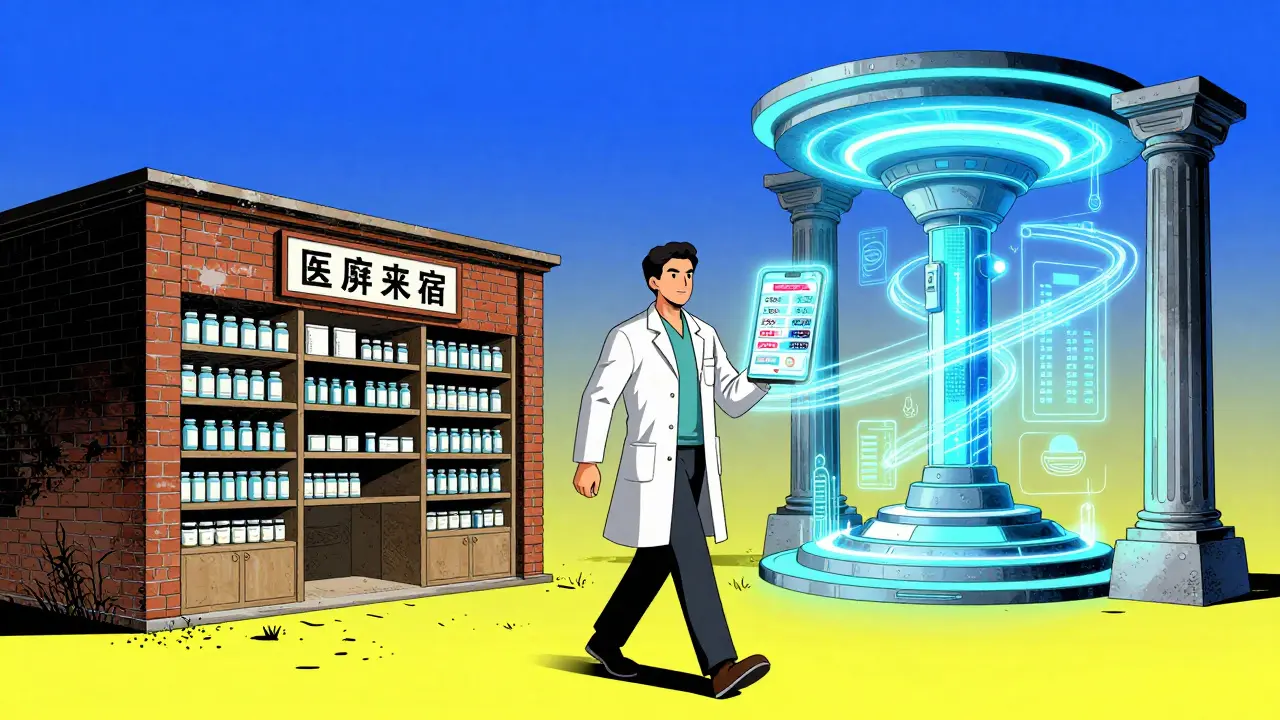
Technology is the backbone of the DTC model. Without advanced systems, these platforms couldn’t operate efficiently. Key technological drivers include:
- Artificial Intelligence (AI): AI powers medication reminder chatbots and health assistants. It also provides predictive insights for early risk detection, helping providers intervene before conditions worsen.
- Data Analytics: Platforms process large health datasets to track consumer behavior and predict health trends. This data helps optimize inventory and personalize care.
- API Integrations: Seamless connection with Electronic Health Records (EHRs) like Epic, Cerner, and Allscripts is essential. API-based integrations became the industry standard by Q2 2025, allowing for smooth data exchange between telehealth providers and pharmacies.
- Cloud Computing: Provides scalable, secure platforms for real-time data access, enabling telehealth services and digital pharmacies to run smoothly without downtime.
These technologies reduce time-to-therapy by an average of 3.7 days, according to Galen Growth’s patient journey mapping. However, they also introduce cybersecurity risks. Protecting patient data is not just a legal requirement; it’s a competitive advantage. Platforms that fail to secure their systems risk losing customer trust and facing regulatory penalties.
Future Outlook: Hybrid Models and Market Growth
The future of DTC generic pharmacies looks dynamic. IQVIA reported that DTC pharmaceutical sales reached $18.7 billion in Q3 2025, representing 3.1% of total prescription sales, up from 0.8% in Q3 2023. This rapid growth suggests that consumers are increasingly comfortable with digital healthcare solutions.
However, complete replacement of traditional pharmacies is unlikely. Instead, hybrid distribution strategies are emerging. Eighty-three percent of pharmaceutical executives surveyed by Galen Growth in August 2025 indicated they plan to combine DTC models with traditional channels. This approach allows companies to reach tech-savvy customers while maintaining relationships with brick-and-mortar pharmacies for complex cases.
New business models are also mixing lower insurance premiums with subsidized cash drug purchases. Startups like MedAdvantage reported 200% year-over-year growth by adopting this strategy. As the PBM rebate column shrinks, valuation models and go-to-market plans will need rewrites. The industry is moving toward greater integration, where DTC platforms handle routine generic prescriptions, while traditional pharmacies focus on specialized care and patient counseling.
Are DTC generic pharmacies safe?
Yes, legitimate DTC pharmacies are safe. They must comply with HIPAA regulations for data privacy and FDA guidelines for medication handling. Leading platforms like Ro and Honeybee Health employ licensed pharmacists and physicians. However, critics warn that bypassing in-person pharmacist consultations might miss potential drug interactions. Always choose reputable platforms with clear licensing information.
Do DTC pharmacies accept insurance?
Many DTC generic pharmacies operate on a cash-pay basis to offer lower prices, which can sometimes be cheaper than insurance copays. However, some platforms are beginning to integrate with insurance networks. Check with the specific service provider, as acceptance varies. For example, Ro primarily uses cash pricing, while newer entrants may offer insurance verification features.
How much can I save using a DTC generic pharmacy?
Patients typically save 30-50% on generic medications compared to traditional retail pharmacy prices. Brand-name DTC programs offer more modest savings of 10-15%. The exact amount depends on the medication, dosage, and your current insurance coverage. For high-deductible health plans, DTC cash prices are often significantly lower than insurance copays.
What medications are available through DTC pharmacies?
Most DTC generic pharmacies focus on common chronic conditions such as hypertension, diabetes, ADHD, and mental health disorders. They rarely carry controlled substances or highly specialized injectables due to regulatory restrictions. Always verify if your specific medication is offered before signing up for a service.
Is my personal health data secure with DTC platforms?
Reputable DTC pharmacies use HIPAA-compliant data storage and robust cybersecurity measures to protect your information. Look for platforms that explicitly state their security protocols and encryption standards. While no system is immune to breaches, established companies invest heavily in protecting patient data to maintain trust and avoid legal penalties.