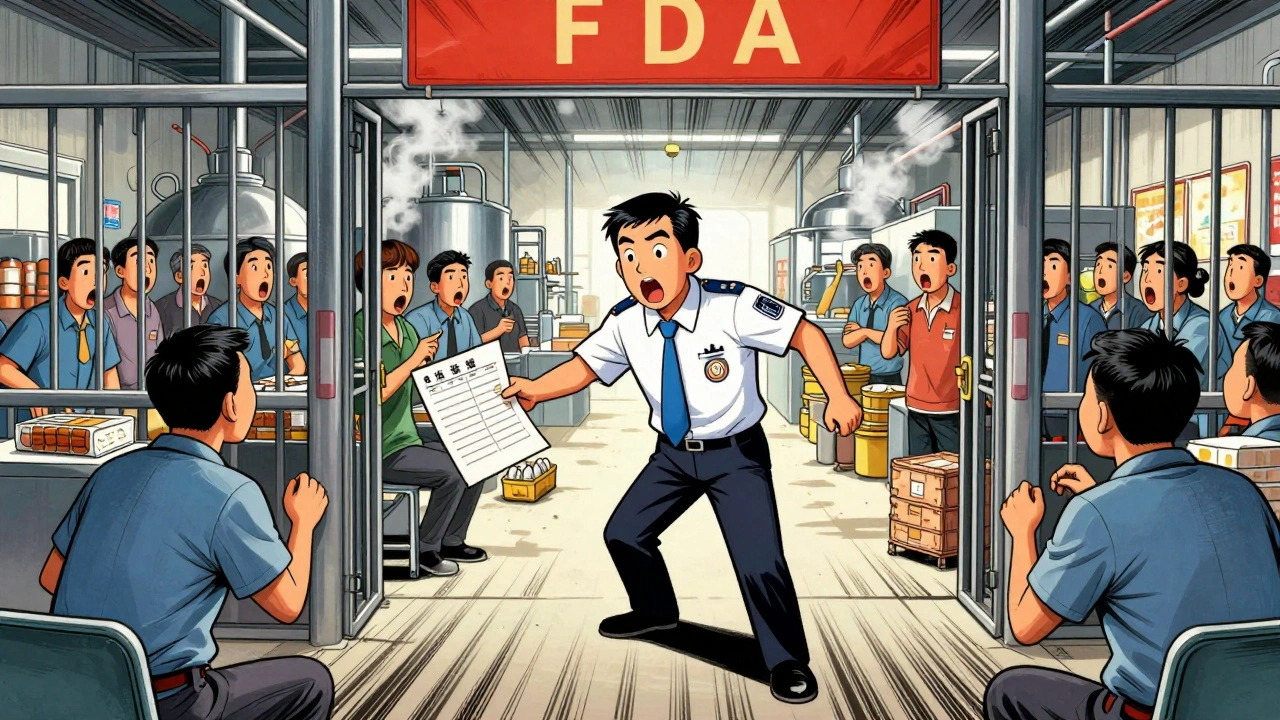
The U.S. Food and Drug Administration doesn’t just watch over food factories in Ohio or California. It also inspects over 300,000 foreign facilities that ship food to American shelves. And since May 2024, those inspections no longer come with a heads-up.
Why the FDA Stopped Giving Foreign Facilities Advance Notice
For years, foreign food plants got weeks or even months to prepare for an FDA visit. They cleaned up, trained staff, arranged translators, and made sure paperwork was perfect. Meanwhile, American factories got no warning at all. That wasn’t fair-and it wasn’t safe. In early 2024, FDA Commissioner Martin A. Makary called it a "double standard." If a U.S. plant can’t hide problems by cleaning up before an inspection, why should a plant in India, China, or Mexico get that luxury? Starting in May 2024, the FDA began conducting unannounced inspections at foreign facilities just like it does at home. The goal? To catch real conditions, not staged ones. A facility might look flawless when it knows inspectors are coming. But what happens when they walk in without warning? That’s when you see if the quality control system actually works every day-or just on inspection days.What Gets Inspected and How the FDA Picks Targets
Not every foreign plant gets checked every year. The FDA uses a risk-based system to decide who gets visited next. Three things matter most:- What’s being made-Raw seafood, sprouts, and infant formula carry higher risk than canned beans or bottled water.
- How it’s made-Processes with more steps, more handling, or less heat treatment are more likely to harbor pathogens.
- History of violations-If a facility has had products refused entry into the U.S. before, it’s now on the FDA’s watchlist.
What Happens During an Unannounced Inspection
When FDA inspectors arrive, they don’t ask for a tour. They show their badge and start asking for records-right then. They want to see:- Sanitation logs from the past 6 months
- Supplier approval records
- Employee training files
- Product testing results
- Corrective action reports for past issues
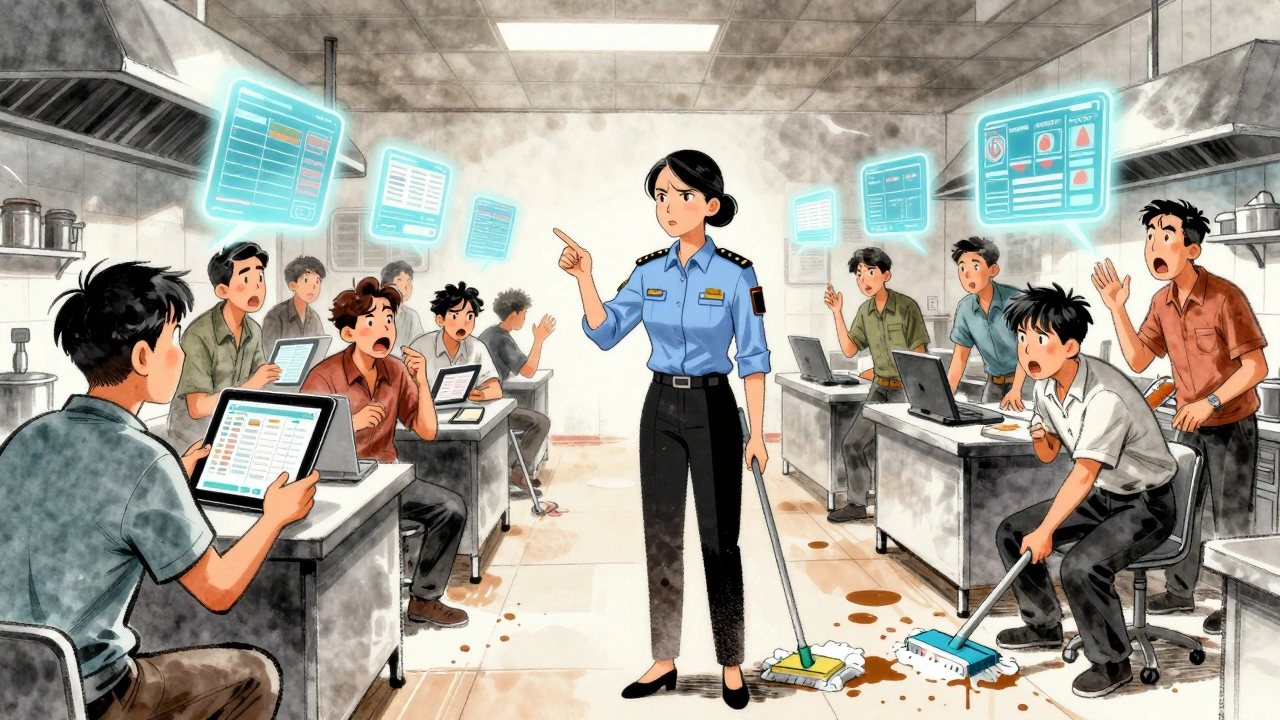
The Legal Consequences of Refusing or Obstructing
Under Section 306 of the FDA Food Safety Modernization Act (FSMA), any foreign facility that refuses inspection can have its products barred from entering the U.S. That’s not a fine. That’s a full stop to sales. But it gets worse. If a company deliberately obstructs an inspection-by shredding documents, blocking access, or telling staff not to talk to inspectors-the U.S. Department of Justice can press criminal charges. That means:- Fines up to $1 million per violation
- Forfeiture of assets tied to the violation
- Reparations to victims of foodborne illness
- Debarment from doing business with U.S. companies
- Exclusion from federal healthcare programs
How Foreign Facilities Are Adapting
Many overseas manufacturers are scrambling to adjust. Some are hiring full-time bilingual quality assurance staff just to handle inspections. Others are moving all documentation to cloud-based systems so inspectors can access records instantly, no matter the time zone. One facility in Thailand now runs monthly mock inspections with internal auditors who act like FDA agents-showing up without notice, demanding files, and recording responses. They even simulate language barriers by asking questions in broken English to see how staff react. The biggest shift? No more "inspection prep week." You can’t clean up for a day and call it good. You have to be ready every day. That means:- Sanitation logs updated in real time
- Staff trained to answer questions without coaching
- Equipment maintained consistently, not just before scheduled visits
- Records backed up and accessible 24/7
The Bigger Picture: Why This Matters for U.S. Consumers
About 15% of the food Americans eat comes from overseas. For fresh produce, that number jumps to 32%. That means a lot of your salad, spice, seafood, and baby food was made somewhere else. Before FSMA, the FDA inspected only a tiny fraction of foreign facilities. In 2018, ProPublica found that foreign inspections had dropped to historic lows due to budget cuts. That created blind spots in the food supply chain. Today, the FDA is trying to close those gaps. The unannounced inspection policy isn’t about punishing foreign companies. It’s about leveling the playing field. If a U.S. plant can’t cheat its way through an inspection, neither should a foreign one.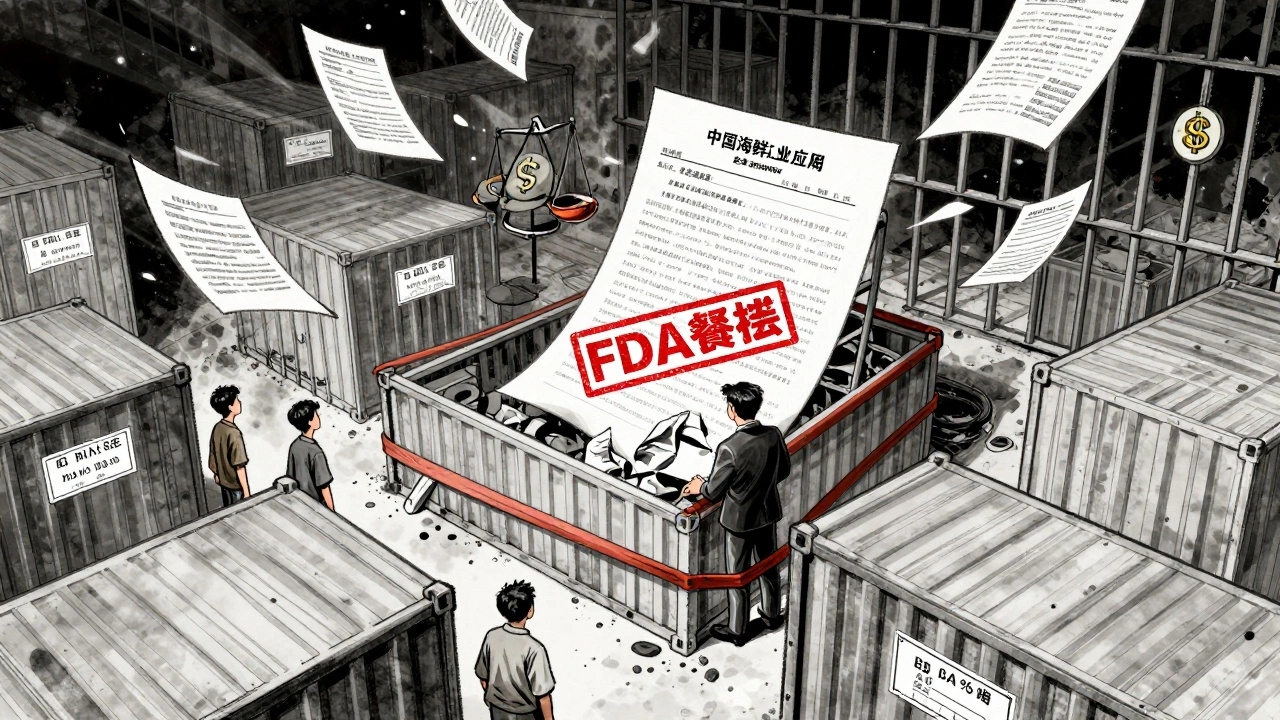
What Happens If You Fail an Inspection?
Failing an inspection doesn’t mean your products are automatically banned. But it does trigger a series of consequences:- Warning letter-The FDA sends a formal notice listing violations. You have 15 days to respond with a corrective plan.
- Import alert-Your products are flagged at U.S. ports. Every shipment gets automatically detained until you prove it’s safe.
- Re-inspection-The FDA may return within 30-90 days to check if you fixed the problems.
- Refusal of entry-If you don’t fix the issues, your shipments are turned away at the border.
- Public listing-Your facility’s violations are posted on the FDA’s public website.
Is the FDA Doing Enough?
The FDA still faces a massive challenge. With over 300,000 foreign facilities and only about 200 inspectors assigned to international inspections, the ratio is roughly 1 inspector per 1,500 facilities. Even with unannounced visits, they can’t cover them all. To make up the gap, the FDA is testing new tools:- Third-party auditors certified by the FDA to conduct inspections on its behalf
- AI-powered risk models that analyze global supply chain data in real time
- Remote document reviews using secure digital portals
What You Need to Do If You Export Food to the U.S.
If your facility ships food, supplements, or animal feed to the U.S., here’s what you need right now:- Make sure your FDA registration is current and accurate.
- Ensure your facility has a written food safety plan that meets 21 CFR Part 117 (Current Good Manufacturing Practice).
- Train all staff on how to respond to unannounced inspections-no scripts, no coaching.
- Keep all records digital, backed up, and accessible from any device.
- Assign a point person who’s always available to receive inspectors.
- Conduct monthly internal mock inspections with no notice.
Are unannounced FDA inspections only for food facilities?
No. Unannounced inspections also apply to foreign facilities that manufacture drugs, medical devices, and dietary supplements for the U.S. market. The same rules about refusal, obstruction, and record access apply across all FDA-regulated products.
Can a foreign facility hire a U.S.-based consultant to handle FDA inspections?
Yes, but the consultant can’t be on-site during the inspection unless invited by the FDA. The facility itself must be prepared to respond directly. Consultants can help with training and documentation, but they can’t act as a buffer during the actual visit.
What happens if an inspector asks for records in English but the facility only has them in another language?
The facility must provide accurate translations upon request. The FDA doesn’t require documents to be originally in English, but they must be translated promptly. Delaying translation or refusing to provide it can be considered obstruction.
Can the FDA inspect a facility without a U.S. visa for the inspector?
Yes. FDA inspectors are authorized to enter foreign facilities under international agreements and the Foreign Food Facility Inspection Program. They don’t need a U.S. visa to enter another country-only the appropriate travel documents and official credentials issued by the U.S. government.
How often are foreign facilities actually inspected?
There’s no fixed schedule. High-risk facilities may be inspected every 1-2 years. Low-risk facilities might go 5-10 years without a visit. The FDA prioritizes based on risk, not calendar time. Even if you haven’t been inspected in years, you’re still required to maintain full compliance at all times.
Fern Marder
December 3, 2025 AT 02:33Anthony Breakspear
December 3, 2025 AT 14:39Girish Padia
December 5, 2025 AT 00:28Zoe Bray
December 6, 2025 AT 14:55John Biesecker
December 7, 2025 AT 07:06Allan maniero
December 8, 2025 AT 13:42Elizabeth Farrell
December 9, 2025 AT 19:52Chelsea Moore
December 11, 2025 AT 00:26ruiqing Jane
December 11, 2025 AT 04:53Paul Santos
December 11, 2025 AT 14:10alaa ismail
December 13, 2025 AT 13:50Eddy Kimani
December 13, 2025 AT 18:08Anthony Breakspear
December 15, 2025 AT 17:28