
Every year, approximately 1.3 million people in the United States end up in emergency departments because of adverse drug events. This isn't just bad luck; it's often a breakdown in the systems designed to protect us. When we talk about getting your medicine right, we aren't guessing-we are following a framework established over decades of healthcare practice. You might have heard the term The Five RightsA core framework for preventing medication errors consisting of verifying the right patient, drug, dose, route, and time.. Originally developed for nurses and pharmacists, these principles are the gold standard for safety. However, relying on memory alone is dangerous. If you manage medications at home or are receiving care, understanding these checkpoints gives you power over your health outcomes.
Checking Your Identity and Medication
It sounds obvious, but confirming who you are is the first line of defense. In a hospital setting, professionals use two patient identifiers, such as your full name and date of birth. They never rely on room numbers alone. For you at home, this translates to ensuring every prescription bottle clearly has your name printed on the label.
Moving to the second checkpoint involves the drug itself. According to the Institute for Safe Medication PracticesA nonprofit organization dedicated to advancing patient safety through education and resources., look-alike and sound-alike medications account for roughly 25% of reported errors. This means you must look closely at the spelling of the medication name. A common mistake happens when "Lanoxin" and "Lasix" are confused because they sound identical. Always read the brand name and the generic name if listed. If the packaging looks different than what you remember, stop and call the pharmacy.
Getting the Amount and Method Correct
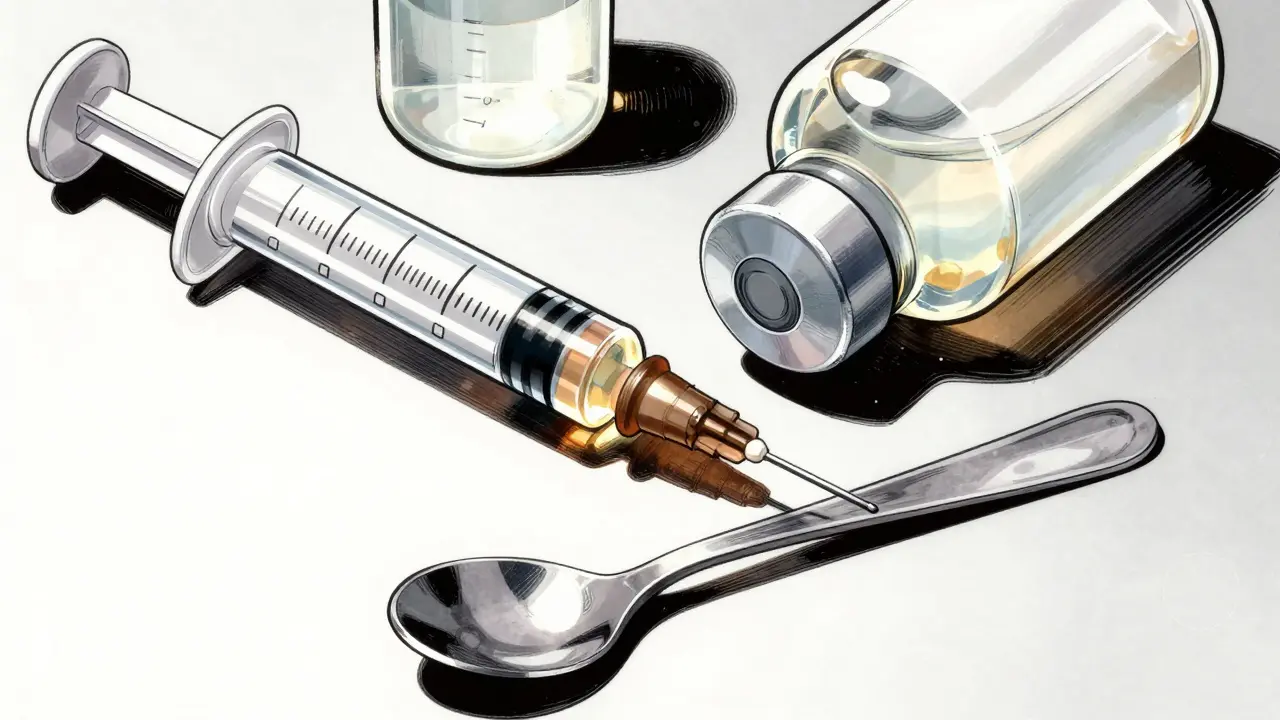
Dosing is where math matters most. The right dose depends on your weight, age, and kidney function, especially for high-alert medications like insulin or blood thinners. In pediatric cases, nearly 15% of dosing errors occur due to miscalculations involving weight. When taking liquid medication, do not use kitchen spoons. Use the measuring device that came with the bottle, such as an oral syringe or dosing cup, to ensure the milligrams or milliliters match exactly what was prescribed.
How you take the medicine is just as critical as how much you take. About 16% of errors involve incorrect routes of administration. Some pills are designed to be swallowed whole, while others can be crushed. Transdermal patches work differently than injections. If a prescription says "subcutaneous," it must go under the skin, not into a muscle. Mixing up an injectable fluid meant for an infusion pump with a pill can lead to severe consequences. Always verify instructions with the pharmacist before opening a new package.
The Timing Window
Consistency keeps drug levels stable in your bloodstream. For many treatments, the right time means staying within a specific window. Some antibiotics need to be taken every 8 hours strictly to kill bacteria effectively. Others might allow a 30-minute flexibility buffer. While some schedules seem rigid, missing doses disrupts the therapeutic effect. If you forget a dose, consult the specific label instructions rather than doubling up, which increases toxicity risks.
Expanding the Safety Net
The traditional Five Rights cover the basics, but modern safety requires more. Experts suggest adding three extra checks: Right Documentation, Right Reason, and Right Response. Documentation means recording when you took the dose immediately after doing so. This prevents accidental double-dosing. Right reason requires you to know why you are taking the drug. If you don't understand the diagnosis the medication treats, ask your doctor.
Finally, monitor your body's response. Are symptoms improving, or are side effects worsening? Adverse Drug EventsHarmful responses to a medication resulting in injury or death, often categorized as preventable errors. are often caught early by noticing changes in how you feel. If you experience unexpected reactions, report them. This information feeds back into the system to help others.

Strategies for Home Management
Implementing these rules outside a clinic requires planning. The CDC recommends keeping an updated list of all medicines you take, including supplements. Bring this list to every appointment. A technique gaining popularity is the "brown bag review," where you bring every pill bottle to your next visit. This allows providers to catch potential interactions between prescriptions written by different specialists.
| Safety Component | Standard Clinical Protocol | Practical Home Strategy |
|---|---|---|
| Patient Verification | Name + DOB scan via barcode | Visual check of patient name on label |
| Drug Identification | Tall Man Lettering used | Use pill organizer with color coding |
| Timing | EMR alerts set at 15-min intervals | Smartphone alarms with snooze limits |
| Documentation | Nurse signs chart digitally | Logbook or app tracking intake |
Polypharmacy affects over 41% of adults aged 65 and older, making management harder. Using a weekly pill box helps separate days visually. Ensure adequate lighting in the area where you prepare medicine, as poor visibility accounts for nearly 40% of confusion among seniors. Technology also plays a role; apps adopted by 52% of younger adults provide reminders and logs.
Systemic Safety and Your Role
While individual responsibility matters, systemic support is vital. Organizations like the World Health OrganizationGlobal authority responsible for public health standards and initiatives, including 'Medication Without Harm'. have launched global challenges to reduce harm by half. Their campaign encourages patients to Know, Check, and Ask. This means knowing your meds, checking the label against your order, and asking about risks. Recent analysis suggests that comprehensive adherence to these protocols could cut hospital errors by up to 56%.
However, technology isn't perfect. Alert fatigue in digital records sometimes causes staff to bypass safety warnings. That is why your engagement remains crucial. If a label doesn't match your memory, speak up. If a tablet looks different in size or shape, pause. These small actions contribute to a culture where mistakes are intercepted before harm occurs. By adopting the discipline of the Five Rights, you transform from a passive recipient of care into an active partner in your safety plan.
Monique Ball
March 27, 2026 AT 12:41This article is absolutely incredible and you must read every word! It really opens your eyes to the dangers we face daily! We must take action immediately to protect ourselves! Please share this important information with your family right now! Everyone needs to see this crucial guidance for safety! Safety is the highest priority for all patients everywhere! Check your bottle label before you swallow anything! Look closely at the medication names on the packaging! Verify the exact dosage numbers on the prescription slip! Do not guess amounts when mixing liquids at home! Kitchen spoons are definitely not accurate measuring tools! Measure carefully using the device provided by the pharmacist! Time matters so much when taking these powerful drugs! Keep the strict schedule written in your planner! Log everything down in your health journal every day! You save yourself from hospital visits by doing this! Stay healthy and happy always with these simple steps!
Tony Yorke
March 28, 2026 AT 15:45This info saves lives
gina macabuhay
March 28, 2026 AT 17:14People claim they read labels but most refuse to verify the details thoroughly. Ignoring the manufacturer warnings shows a complete disregard for personal safety standards. You cannot blame the system when you fail to check the basics. Responsibility belongs to the individual consuming the pharmaceutical agent.
Rohan Kumar
March 29, 2026 AT 11:57Big Pharma wants us confused on purpose 🙄. They profit from errors made at home. The system is designed to keep us dependent. Trust your own research instead 🛑
Monique Louise Hill
March 29, 2026 AT 13:28It is your absolute duty to read labels properly!! 😡😤 Negligence leads to preventable harm in our communities. We must hold each other accountable for better choices.
walker texaxsranger
March 29, 2026 AT 21:10they want compliance not safety algorithms dictate dosing now clinical trials hide data. trust no one blindly
Sabrina Herciu
March 30, 2026 AT 16:33Great tips here!!! I always suggest using a weekly pill box for seniors!!! It reduces confusion significantly!!! Call the pharmacist if unsure!!!
Jordan Marx
March 31, 2026 AT 23:09Polypharmacy is indeed a massive issue clinically. Bioavailability matters too when considering absorption rates. Adherence protocols improve outcomes substantially. Patient education remains the cornerstone of error reduction.
Philip Wynkoop
April 1, 2026 AT 21:36thanks for the heads up :D i will check mine
Aaron Olney
April 2, 2026 AT 11:29My mom almost died from lasix confusion!!! Scary!!! The doctor mixed up the dose totalley. She was shaking so hard in bed!!!! It happened last week.
Eva Maes
April 3, 2026 AT 18:02The systemic failure is palpable in modern pharmacology protocols. Errors often stem from cognitive overload during administration. Analyzing variance helps identify risk factors.
Debra Brigman
April 4, 2026 AT 14:51Medicine becomes art when you listen to the chemistry whispers. The body speaks in signals we often ignore.
tyler lamarre
April 5, 2026 AT 08:18Most people couldnt follow this basic checklist without supervision. Simple literacy is lacking in the general population.
Sophie Hallam
April 6, 2026 AT 19:37Great reminder for everyone to stay safe and healthy.