Fluoroquinolone Tendon Rupture Risk Calculator
This tool helps you assess your personal risk of tendon rupture when taking fluoroquinolone antibiotics. Based on factors mentioned in medical studies, it provides a qualitative risk assessment to help you discuss your treatment options with your doctor.
When you take an antibiotic like ciprofloxacin or levofloxacin for a stubborn infection, you expect relief-not a sudden, sharp pain in your heel that makes it impossible to walk. Yet for some people, these widely used antibiotics can trigger something far more dangerous than a stomach upset: tendon rupture. The risk isn’t rare. It’s real, it’s serious, and it’s often overlooked until it’s too late.
Why Fluoroquinolones Are Still Prescribed
Fluoroquinolones are powerful antibiotics. They work against a broad range of bacteria, including those that cause pneumonia, complicated urinary tract infections, and even anthrax. Because they’re so effective, doctors have relied on them for decades. But their power comes with a hidden cost. Since the 1980s, reports have piled up linking them to tendon damage. By 2008, the U.S. Food and Drug Administration (FDA) slapped on its strongest warning: a black-box warning for tendinitis and tendon rupture. That’s the same level of alert given to drugs like opioids for addiction risk. It’s not a small footnote. It’s a red flag.The Achilles Tendon Is Most at Risk
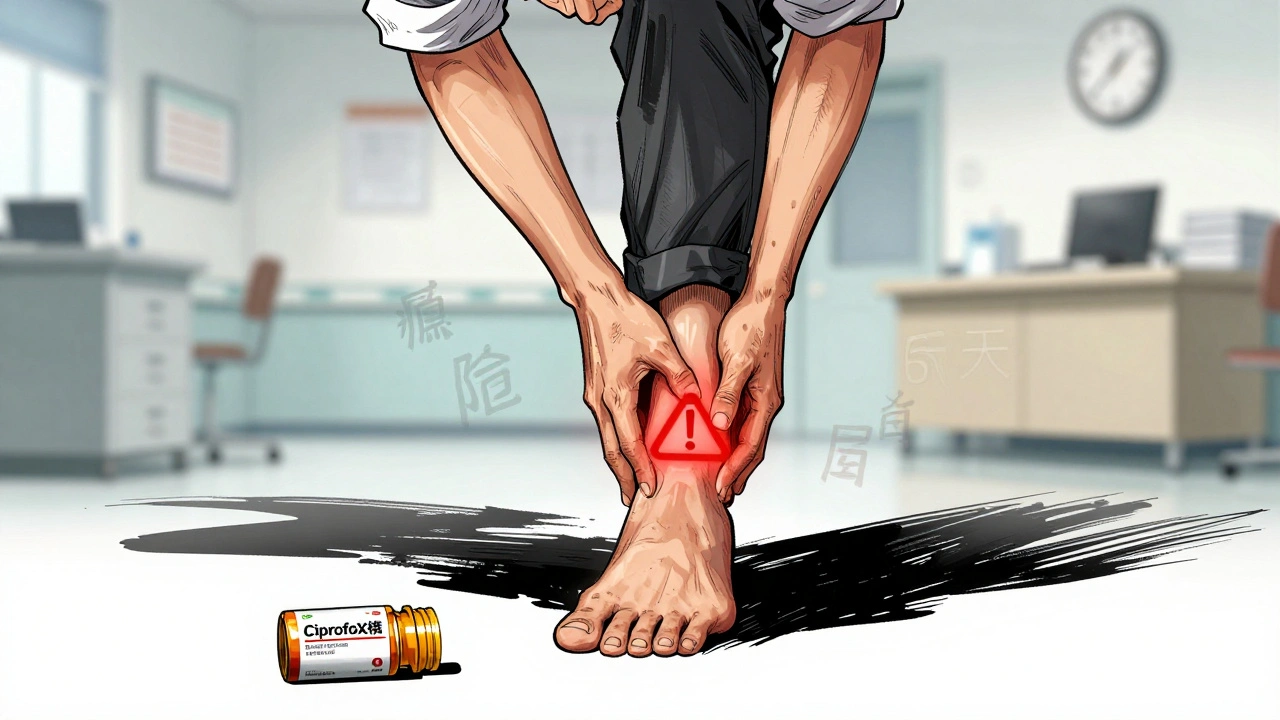
Not all tendons are equally vulnerable. The Achilles tendon-the thick band connecting your calf muscle to your heel-takes the brunt of the damage. Studies show it’s involved in nearly 90% of fluoroquinolone-related tendon injuries. Why? No one knows for sure. Some researchers think it’s because the Achilles has less blood flow than other tendons, making it harder to repair itself. Others point to how fluoroquinolones interfere with collagen structure and mitochondrial function in tendon cells. Either way, the pattern is clear: if you’re on one of these antibiotics and your heel starts to ache, don’t ignore it.Who’s Most at Risk?
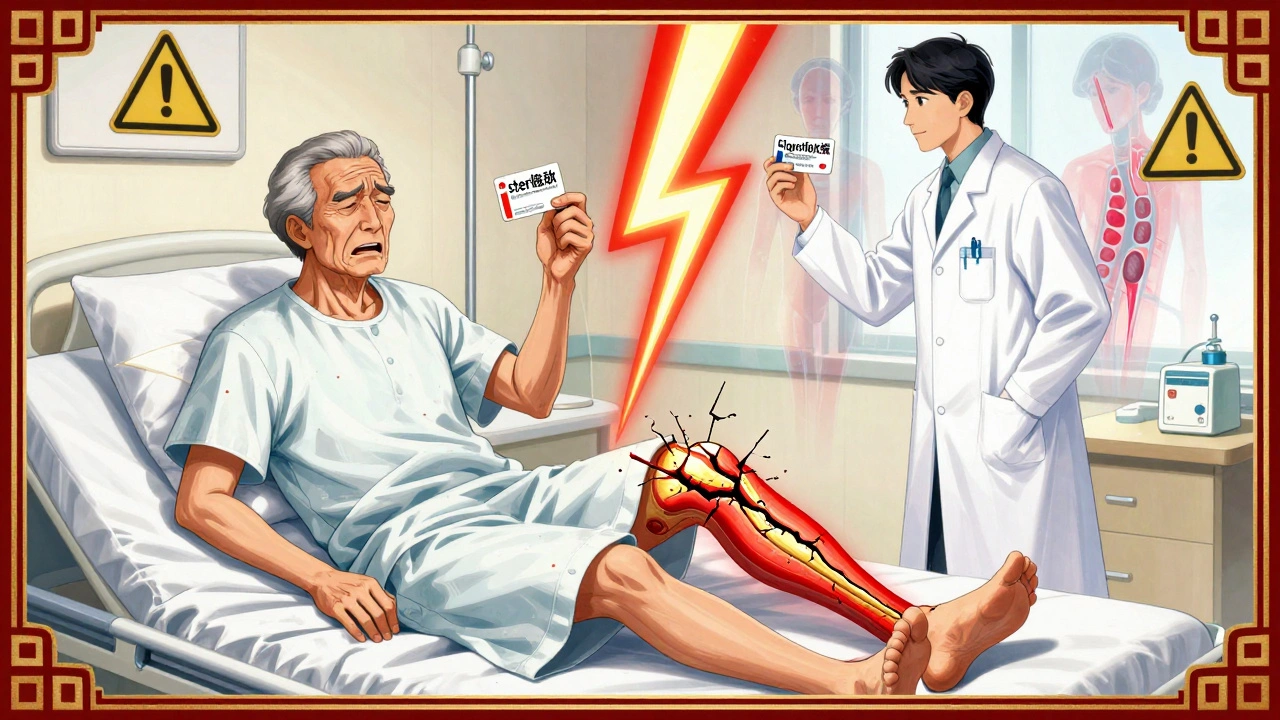
This isn’t a risk that affects everyone equally. Certain groups face dramatically higher danger:- People over 60: The risk jumps sharply with age. Those 80 and older are over 20 times more likely to suffer a rupture than younger adults.
- Those taking corticosteroids: If you’re on prednisone or another steroid-whether for arthritis, asthma, or an autoimmune condition-the risk of rupture increases by up to 46 times when combined with fluoroquinolones.
- People with kidney problems: Fluoroquinolones are cleared by the kidneys. If your kidneys aren’t working well, the drug builds up in your system, raising toxicity.
- Those with diabetes or prior tendon injuries: These conditions already stress your tendons. Adding fluoroquinolones can be the final trigger.
Even if you don’t fit these categories, you’re not off the hook. Cases have been reported in otherwise healthy people in their 30s and 40s. The key is knowing the signs before it’s too late.
When Does the Damage Happen?
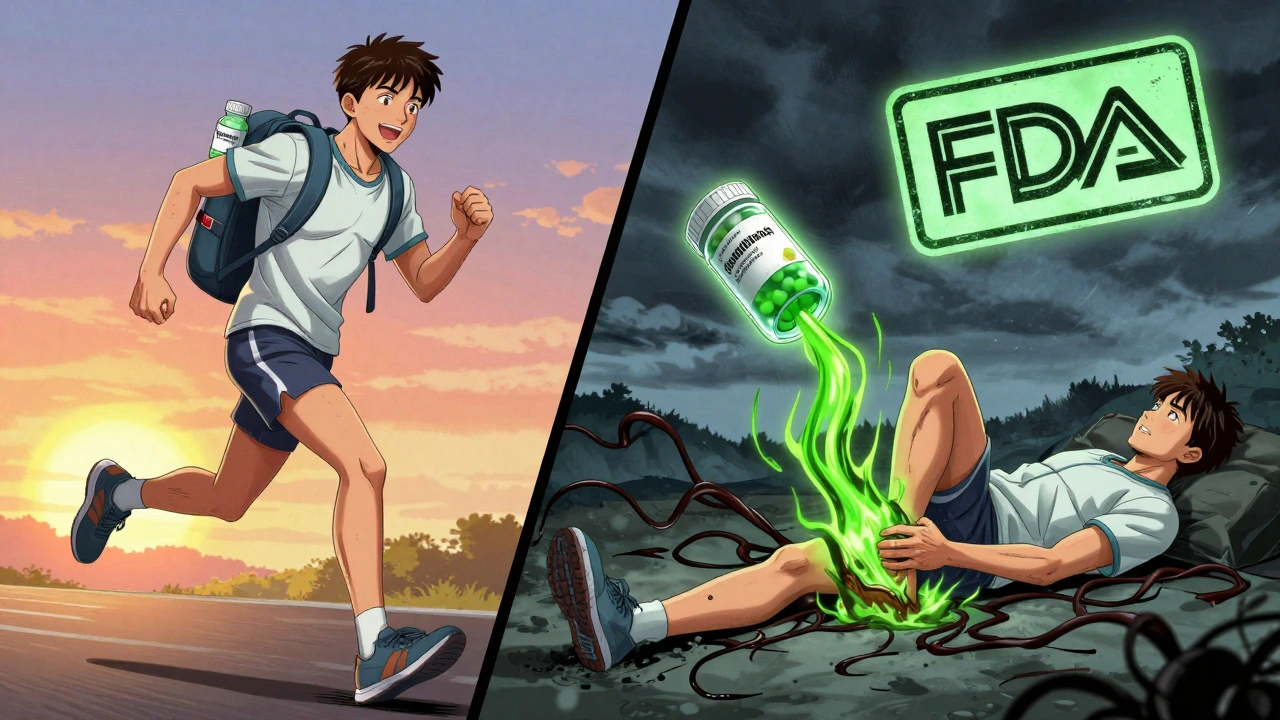
Many assume side effects show up after weeks of use. Not with fluoroquinolones. The median time to first tendon pain is just six days. About 85% of cases begin within the first month. But here’s the scary part: symptoms can appear after you’ve stopped taking the drug. Some people report pain weeks or even months later. That means if you took ciprofloxacin last month and now your ankle hurts, it’s still worth mentioning to your doctor.One study documented a case where tendon pain started just two hours after the first dose. Another found half of all ruptures happened within a week of starting treatment. This isn’t a slow, creeping problem. It’s often sudden-and it can happen without warning.
What the Data Really Shows
A UK study of over 6 million people found that fluoroquinolone users were more than four times as likely to develop tendinitis and twice as likely to suffer a full rupture. In Taiwan, researchers tracked over 350,000 patients and found those on fluoroquinolones had nearly double the rate of tendon disorders compared to those who weren’t. The numbers are consistent across continents and populations.But not every study agrees. A 2022 Japanese study of 504 patients with Achilles ruptures found no clear link to fluoroquinolones. At first glance, this seems like a contradiction. But here’s the catch: that study looked at patients after rupture had already occurred, comparing their recent antibiotic use to a control group. It didn’t track people before injury. That’s a big flaw. The strongest evidence comes from large, prospective studies that follow people over time-those consistently show increased risk.
Why the FDA and MHRA Pulled Back
In 2019, the UK’s Medicines and Healthcare products Regulatory Agency (MHRA) issued new rules: fluoroquinolones should only be used when no other antibiotic will work. Same in Europe. The FDA reinforced its warning in 2018, adding that side effects can be permanent and disabling. These aren’t minor adjustments. They’re major shifts in prescribing habits.Why? Because the damage isn’t always reversible. Some people recover fully after stopping the drug and resting. Others end up with chronic pain, reduced mobility, or even require surgery. In extreme cases, the tendon doesn’t heal properly and the person loses function in that limb. That’s not a trade-off most patients are willing to make-especially when safer alternatives exist.
What You Should Do If You’re Prescribed One
If your doctor suggests a fluoroquinolone, ask these questions:- Is this the only option? Are there other antibiotics I can try first?
- Do I have any risk factors-age, steroid use, kidney issues, diabetes?
- What are the signs of tendon damage I should watch for?
If you’re already taking one, pay attention to your body. Any new pain, swelling, or stiffness in your tendons-especially in your heels, shoulders, or hands-is a red flag. Stop the medication immediately and call your doctor. Don’t wait. Don’t assume it’s just soreness from exercise. Tendonitis from fluoroquinolones can progress to rupture in days.
What Happens After Symptoms Start?
If you develop tendon pain while on fluoroquinolones, your doctor should:- Stop the antibiotic right away
- Advise you to rest the affected area
- Recommend immobilization-like a brace or boot-for the tendon to heal
- Refer you to a specialist if rupture is suspected
Never try to push through the pain. Continuing activity can turn inflammation into a full rupture. And never, ever combine fluoroquinolones with steroids. That combination is a medical emergency waiting to happen.
Are There Safer Alternatives?
Yes. For most common infections-like uncomplicated UTIs or sinus infections-other antibiotics work just as well with far fewer risks. Amoxicillin, doxycycline, nitrofurantoin, and trimethoprim are often better first choices. Fluoroquinolones should be reserved for life-threatening infections like complicated abdominal infections, hospital-acquired pneumonia, or when bacteria are resistant to everything else.The Infectious Diseases Society of America now recommends fluoroquinolones as a third-line option. That means try the safer drugs first. If they fail, then consider fluoroquinolones-and only after a full risk assessment.
Final Thoughts: Don’t Assume It Won’t Happen to You
Antibiotics save lives. But they’re not harmless. Fluoroquinolones are powerful tools-but they’re not for every infection. The data is clear: for many people, the risk of tendon rupture outweighs the benefit. If you’re older, on steroids, or have any underlying health issues, you’re in the danger zone. Even if you’re young and healthy, don’t brush off a sudden ache in your tendon. It could be the first sign of something serious.Know the signs. Ask questions. Push back if your doctor reaches for ciprofloxacin without explaining why. Your tendons can’t heal themselves if they’re torn-and once they’re gone, they don’t come back the same.
Can fluoroquinolones cause tendon rupture even after I stop taking them?
Yes. While most tendon issues start within the first month of treatment, symptoms-including rupture-can appear weeks or even months after stopping the antibiotic. This delayed onset makes it harder to link the drug to the injury, but it’s well-documented in medical reports. If you’ve recently taken a fluoroquinolone and now have unexplained tendon pain, consult your doctor.
Which fluoroquinolones carry the highest risk?
Levofloxacin and ciprofloxacin are the most commonly linked to tendon damage, accounting for nearly 90% of reported cases. Moxifloxacin carries a lower risk but is still not safe. All fluoroquinolones carry the same black-box warning from the FDA, so none should be considered risk-free.
Is tendon damage from fluoroquinolones reversible?
Some people recover fully with rest and physical therapy, especially if caught early. But in many cases, the damage is permanent. Tendon ruptures often require surgery, and even after healing, strength and flexibility may not return to normal. The earlier you stop the drug and rest the tendon, the better your chances.
Why is the Achilles tendon most affected?
The Achilles tendon has less blood supply than other tendons, making it slower to repair. Fluoroquinolones may also interfere with collagen production and mitochondrial function in tendon cells, weakening the tissue. Combined with mechanical stress from walking or running, this makes the Achilles especially vulnerable.
Should I avoid fluoroquinolones completely?
Not necessarily-but they should be avoided unless absolutely necessary. For mild or common infections, safer antibiotics are just as effective. Reserve fluoroquinolones for serious, life-threatening infections where other drugs won’t work. Always weigh the risk against the benefit with your doctor.
Hamza Laassili
December 14, 2025 AT 03:22Constantine Vigderman
December 14, 2025 AT 23:35Emma Sbarge
December 16, 2025 AT 22:48Richard Ayres
December 18, 2025 AT 00:11Sheldon Bird
December 19, 2025 AT 12:18Karen Mccullouch
December 20, 2025 AT 06:10Michael Gardner
December 21, 2025 AT 05:15Jennifer Taylor
December 23, 2025 AT 04:27Lauren Scrima
December 24, 2025 AT 02:01sharon soila
December 25, 2025 AT 13:03nina nakamura
December 26, 2025 AT 01:28Jamie Clark
December 27, 2025 AT 10:17