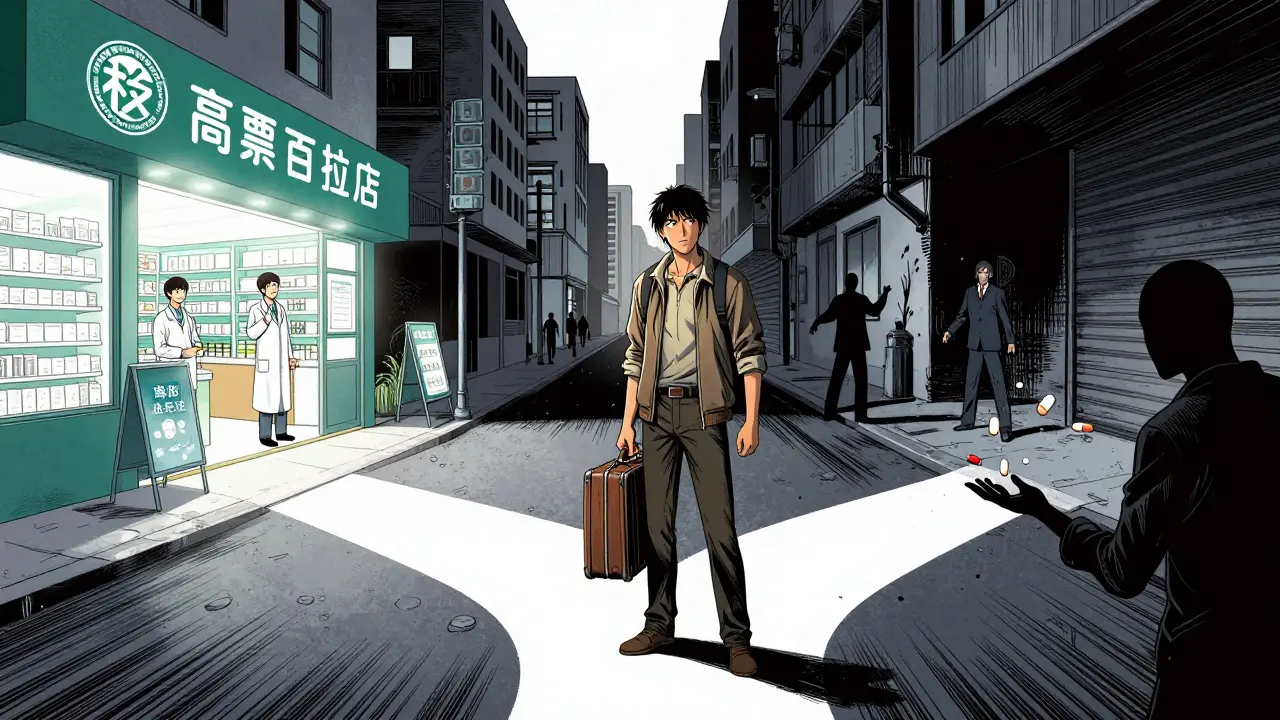
Buying medicine while traveling or ordering from abroad can feel like a smart way to save money, but it often leads straight into the hands of criminal networks. You might think you are getting a genuine brand-name drug at a discount, but the reality is far more dangerous. In low- and middle-income countries, an estimated 1 in 10 medical products is counterfeit. Even in developed nations, the rise of social media marketing has made it easier than ever for illegal operators to sell substandard or falsified medicines directly to your door.
The stakes could not be higher. The Drug Enforcement Administration (DEA) documented a tragic case where a U.S. victim died from acute fentanyl poisoning after taking what she believed was oxycodone purchased from an online pharmacy. This isn't just about losing money; it is about risking your life with pills that may contain no active ingredient, wrong dosages, or deadly toxins like lead or arsenic. Understanding how to spot these traps is essential for anyone managing chronic conditions or seeking specific treatments abroad.
Understanding the Gray Market and Counterfeit Risks
To stay safe, you first need to understand where these bad pills come from. Many people confuse "gray market" parallel imports with outright counterfeits, but both carry significant risks. Parallel importation involves buying drugs in one country at a lower price and selling them in another at a higher price. While the drugs themselves might be genuine, they bypass regulatory oversight. Since 2007, Britain's Medicines and Healthcare products Regulatory Agency (MHRA) has issued six major drug recalls because counterfeit drugs entered legitimate supply chains through this very loophole.
Counterfeit medications are different. They are intentionally fake. The World Health Organization (WHO) defines them as products that deliberately falsify their identity, source, or composition. These aren't just ineffective; they can be lethal. For example, substandard antimalarials have been linked to treatment failures across Africa, intensifying the spread of infectious diseases. When you buy from an unverified foreign source, you have no guarantee that the pill contains anything other than starch, chalk, or worse-dangerous substances like fentanyl.
| Feature | Legitimate Online Pharmacy | Illegal/Gray Market Source |
|---|---|---|
| Prescription Requirement | Always requires a valid prescription from a licensed doctor | Sells without prescriptions or accepts self-diagnosis forms |
| Pricing | Competitive but realistic prices | Unusually low prices or "too good to be true" discounts |
| Licensing | Displays verifiable state/national license numbers | No license info, or fake logos from regulatory bodies |
| Contact Info | Physical address matching business registration; licensed pharmacist available | Only email contact or generic P.O. boxes; no pharmacist consultation |
| Currency | Lists prices in local currency of the operating region | Often lists prices in foreign currencies to obscure origin |
Red Flags: How to Spot Illegal Operations
Illegal pharmacies are getting smarter, using AI to create convincing websites and social media campaigns. However, they still leave telltale signs. The DEA and European Medicines Agency (EMA) highlight several critical warning signs that should immediately stop you from purchasing.
- No Prescription Required: If a site sells controlled substances or prescription-only meds without asking for a valid prescription, it is illegal. Legitimate pharmacies always verify your medical history.
- Aggressive Marketing: Be wary of ads on social media platforms promoting miracle cures, especially for weight loss (like fake GLP-1 agonists such as semaglutide) or erectile dysfunction. The EMA warned in October 2024 about a sharp rise in these illegal products.
- Foreign Currency Listings: If you are in the U.S. but the site lists prices in Euros or Rupees, it is likely trying to hide its location.
- Fake Endorsements: Regulatory agencies like the FDA, EMA, or WHO never endorse specific brands or websites. Any claim suggesting otherwise is false.
- Damaged Packaging: If your order arrives in broken packaging or with labels in a language you don't recognize, return it immediately. It may have been tampered with during transit.
A common myth is that buying from "Canadian" pharmacies is safe. The National Association of Boards of Pharmacy (NABP) states that many sites claiming to ship from Canada actually source from countries with lower regulatory standards, such as India or Turkey. Dr. Scott Gottlieb, former FDA Commissioner, noted that Canada cannot monitor the safety of medicines destined for the United States, creating a massive vulnerability.
Verifying Pharmacy Legitimacy Before You Buy
You don't have to guess if a pharmacy is safe. Official verification tools exist to protect you. Always check these resources before entering your credit card information.
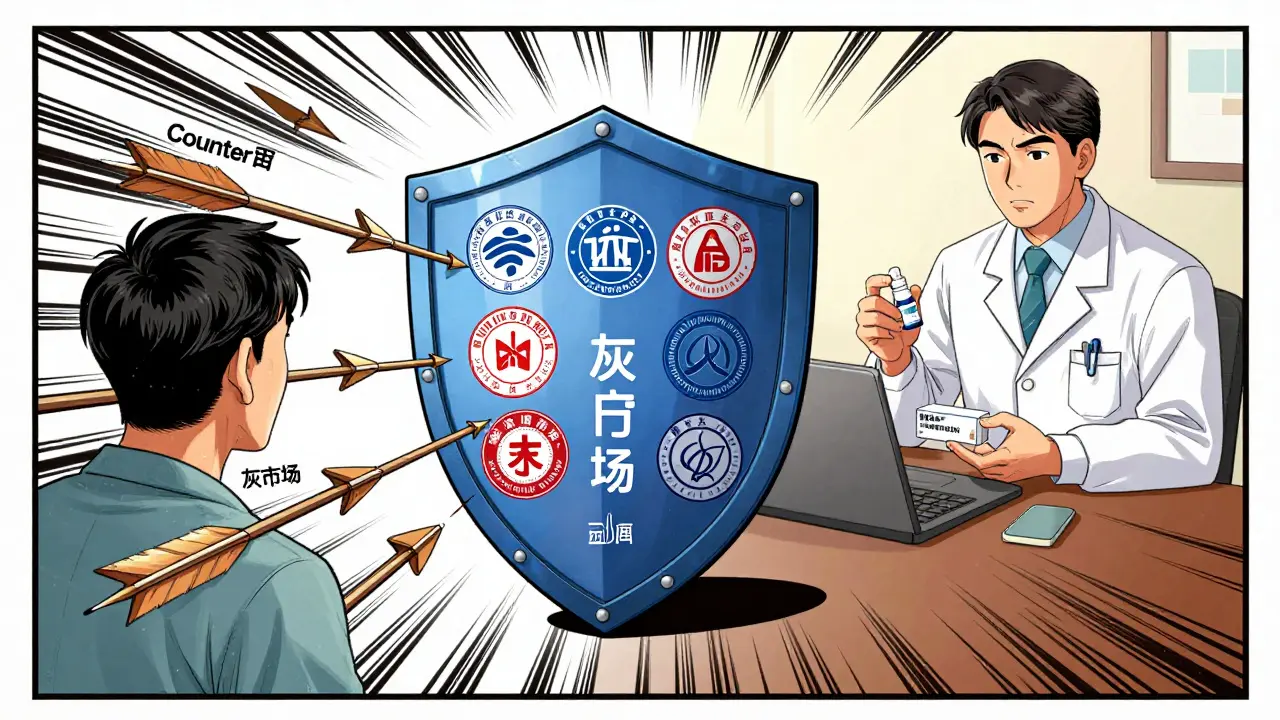
For U.S.-based online pharmacies, use the Verified Internet Pharmacy Practice Sites (VIPPS) program. As of October 2024, only 68 pharmacies hold this certification. If a site claims to be VIPPS-accredited but isn't on the official list, it is lying.
In Europe, consult the registers maintained by national competent authorities or the EMA. Legal online retailers must display a recognizable logo linking to their official registration page. Click the logo to verify it leads to a government domain, not a generic website.
Additionally, check the NABP's "Not Recommended List," which contains over 12,000 illegal online pharmacy websites. New additions occur at a rate of approximately 200 per month. If the site you are considering appears here, avoid it at all costs.
The Hidden Costs of Saving Money
Many consumers turn to foreign markets due to high domestic prices. A Kaiser Family Foundation survey found that 68% of U.S. consumers considered purchasing medications abroad in 2024. However, the hidden costs are staggering. Adverse events from counterfeit medications contributed an additional $67 billion in costs to the U.S. health system in 2022 alone.
Beyond financial loss, there is the risk of drug resistance. Dr. Lucie Laporte of the International Medical Corps warns that substandard antibiotics and antivirals contribute to global drug resistance, making infections harder to treat. Furthermore, importing medications can exacerbate shortages in source countries, harming patients who rely on those local supplies.
Safe Alternatives for Managing Medication Costs
If cost is your primary concern, there are safer alternatives to risking illegal purchases. Look into patient assistance programs offered by pharmaceutical manufacturers. Many companies provide free or discounted medications to eligible individuals. Generic versions of brand-name drugs are also regulated by the FDA and EMA, offering the same efficacy at a fraction of the price.
Discuss your financial situation with your healthcare provider. They may know of coupons, savings cards, or alternative therapies that are covered by insurance. Countries with universal healthcare systems report 83% fewer incidents of illegal medication purchases, suggesting that improving access within regulated systems is the most effective long-term strategy.
What to Do If You Suspect a Counterfeit Drug
If you receive a medication that looks suspicious-different color, shape, taste, or packaging-do not take it. Contact your prescribing physician immediately. Report the incident to relevant authorities:
- In the U.S., report to the FDA MedWatch program.
- In the EU, report to your national competent authority.
- Globally, you can report to Interpol or local law enforcement.
Keeping the original packaging and any remaining pills is crucial for investigation. Your report could help prevent others from falling victim to the same scam.
Is it legal to bring prescription medication back from a foreign country?
Laws vary significantly by country. In the U.S., the FDA generally prohibits importing prescription drugs unless they meet strict criteria (e.g., personal use, small quantity, prescribed by a U.S. doctor). However, even if technically legal under certain exemptions, the safety cannot be guaranteed. Always check with your customs agency and healthcare provider before traveling with medications.
How can I tell if an online pharmacy is legitimate?
Look for three key things: a requirement for a valid prescription, a verifiable physical address, and a licensed pharmacist available for consultation. Additionally, check if the pharmacy is listed on official verification programs like VIPPS in the U.S. or national registers in the EU. Never trust a site that sells controlled substances without a prescription.
Are generic drugs from foreign countries safe?
Generic drugs approved by regulatory bodies like the FDA or EMA are safe and effective. However, generics purchased from unverified foreign sources may be substandard or counterfeit. Only purchase generics from licensed pharmacies within your country's regulatory framework to ensure quality control.
Why are weight loss drugs like Ozempic so prevalent in illegal markets?
The high demand and cost of GLP-1 receptor agonists like semaglutide have led to a surge in counterfeit versions. Criminal networks exploit social media to market these fake drugs. The EMA reported a 200% increase in such illegal products since early 2023, posing serious health risks including incorrect dosing and harmful contaminants.
What should I do if I accidentally took a counterfeit medication?
Seek immediate medical attention if you experience unexpected side effects or symptoms. Contact your doctor and report the incident to relevant health authorities (such as the FDA or EMA). Keep the packaging and any remaining medication for testing. Early intervention can mitigate potential health risks.