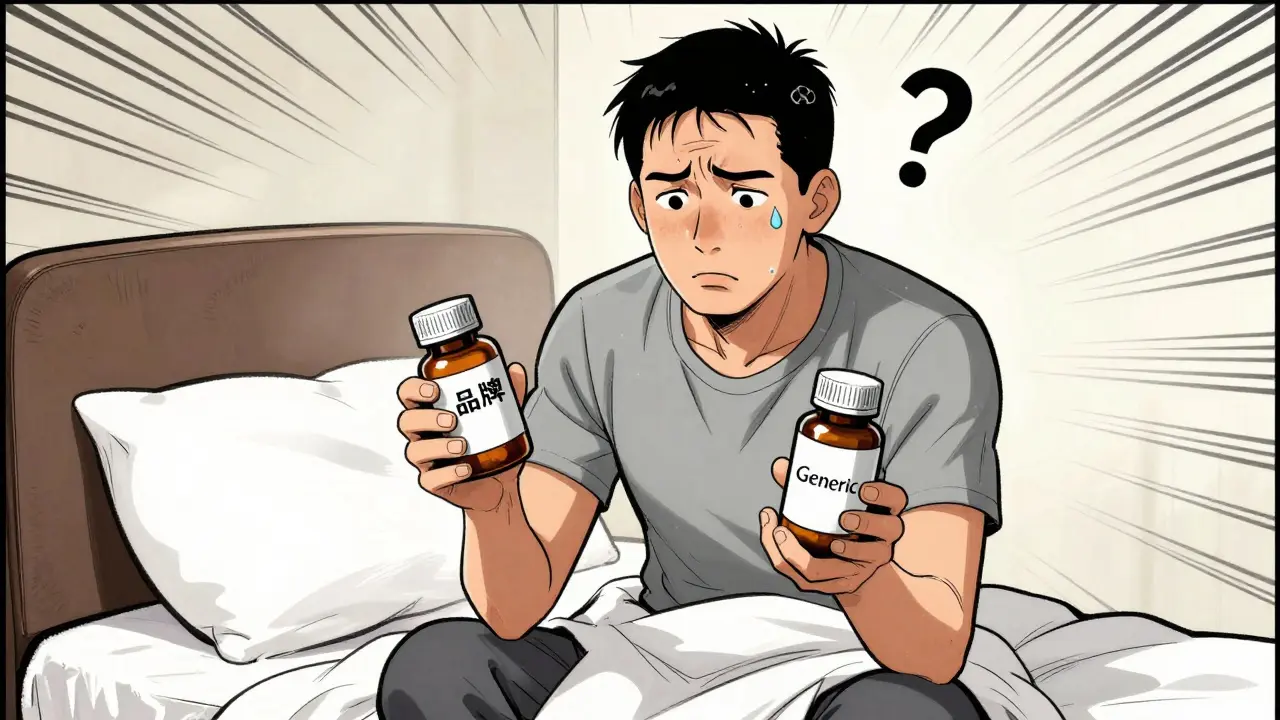
Have you ever switched from a brand-name drug to its generic version and felt something was just... off? Maybe your headache didn't go away as quickly. Perhaps you developed a new rash or felt unusually drowsy. You aren't imagining it, but you might also be wondering if the change in pill manufacturer is actually to blame.
It is a common scenario. In the United States alone, about 90% of prescriptions filled are for generic drugs. While these medications contain the same active ingredients as their brand-name counterparts, they can have different inactive ingredients-like fillers, binders, or dyes. For most people, this makes no difference. But for a small percentage of patients, these subtle changes can trigger unexpected reactions.
If you suspect your health issues started right after switching to a generic, reporting those side effects is crucial. It helps regulatory bodies like the FDA (U.S. Food and Drug Administration) track safety signals that might have been missed during initial testing. This guide will walk you through exactly how to report these events, what information you need to gather, and why your voice matters in keeping the drug supply safe.
Understanding Why Reactions Happen with Generics
Before you start filling out forms, it helps to understand what happened. Under the Hatch-Waxman Act (1984 legislation allowing generic drug approval), generic manufacturers must prove their product is "bioequivalent" to the brand name. This means the drug enters your bloodstream at a similar rate and extent. The allowed range is typically between 80% and 125% of the brand's performance.
For most drugs, this variance is negligible. However, for some individuals, especially those taking medications with a narrow therapeutic index (drugs where small dosage changes cause significant effects), even slight differences in absorption can matter. More commonly, reactions stem from the inactive ingredients. If you are sensitive to lactose, gluten, or certain dyes, a switch in manufacturer could introduce an allergen you previously avoided.
It is also important to acknowledge the psychological factor. Studies show that patient perception plays a role. A 2021 survey found that 42% of patients believe generics are less effective than brands. This bias doesn't make physical symptoms real, but it does influence whether someone decides to report them. Whether the cause is chemical or perceptual, your experience is valid data for safety monitoring systems.
Gathering the Right Information Before You Report
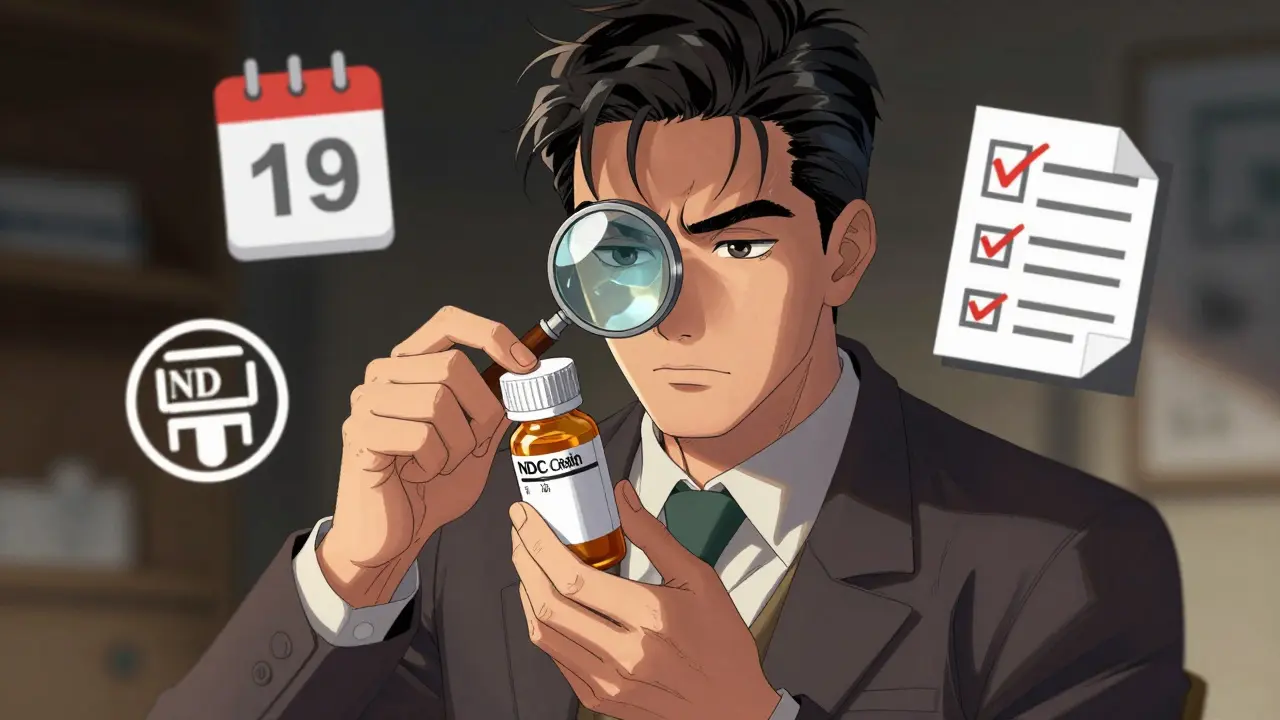
Reporting isn't just about saying "I feel bad." To help experts determine if the generic drug caused the issue, you need specific details. Think of yourself as a detective collecting evidence. Without clear data, it is hard to distinguish a coincidence from a causal link.
Start by locating your prescription bottle. You need to identify the specific manufacturer of the generic drug. This name is usually printed on the label along with the NDC (National Drug Code, a unique identifier for drug products). Write down:
- The name of the brand-name medication you were taking before.
- The date you switched to the generic version.
- The exact name of the generic manufacturer (e.g., Teva, Sandoz, Mylan).
- The strength and dosage form (e.g., 10mg tablet).
- A detailed description of the side effect: when it started, how severe it was, and if it has persisted.
If you experienced the same side effect while on the brand name, note that too. This helps researchers rule out pre-existing sensitivities. If this is a new symptom appearing only after the switch, highlight that clearly.
Choosing Your Reporting Channel
You have several options for submitting your report, each with different levels of convenience and detail. The primary system in the U.S. is MedWatch (FDA's safety information and adverse event reporting program), which feeds into the FAERS (FDA Adverse Event Reporting System database).
| Method | Best For | Pros | Cons |
|---|---|---|---|
| Online via MedWatch Portal | Most users | Fast, accessible 24/7, guided prompts | Requires internet access, may take 15-30 mins |
| Phone Call (1-800-FDA-1088) | Elderly or non-tech-savvy users | Personal assistance, immediate submission | May have wait times, requires verbal clarity |
| Paper Form FDA 3500B | Those who prefer writing | Tangible record, no tech needed | Mailing delays, higher chance of incomplete fields |
| Via Healthcare Provider | Clinical validation | Doctor adds medical context, higher credibility | Dependent on doctor's willingness/time |
The online portal is generally the fastest route. It guides you through the necessary questions step-by-step. If you prefer human interaction, calling the toll-free number allows an agent to input your data directly. Remember, urgent cases-those involving life-threatening conditions or hospitalization-should be reported immediately via phone or emergency services first.
Step-by-Step: Submitting Your Report Online
If you choose the digital route, here is how to navigate the process efficiently. Go to the official MedWatch website. Look for the option to "Report Problems to FDA Now." Select "Consumer" as your reporter type unless you are a healthcare professional.
- Identify the Patient: You do not need to give your full name if you don't want to, but providing a contact method helps if investigators need more info. Describe the patient's age and gender.
- Describe the Adverse Event: Be specific. Instead of "stomach upset," write "severe nausea and vomiting starting 2 hours after dose." Note if the event was serious (required hospitalization, etc.).
- List the Suspect Drugs: This is critical. Enter the generic drug name, manufacturer, NDC, and dose. Also list any other medications you are taking to rule out interactions.
- Provide Reporter Info: Confirm you are the consumer experiencing the issue.
- Review and Submit: Double-check the dates. The timeline between switching drugs and feeling sick is key evidence.
Once submitted, you will receive a confirmation number. Save this. You won't get a personal reply explaining what happened to your case, but your data joins millions of others to help spot trends.

The Role of Your Doctor and Pharmacist
You don't have to do this alone. In fact, involving your healthcare team often leads to a stronger report. Pharmacists are medication experts. They can check if the generic manufacturer changed recently or if known issues exist with that specific batch. Doctors can review your medical history to confirm the reaction isn't due to another condition.
When you talk to your doctor, ask them to submit the report on your behalf using their professional credentials. Reports from clinicians carry more weight because they include clinical judgment. They can verify that the adverse event is likely related to the drug rather than an underlying illness. Additionally, your pharmacist can sometimes arrange for you to switch back to the brand name or a different generic manufacturer if insurance allows, providing immediate relief while the report processes.
What Happens After You Report?
Your report goes into FAERS, a massive database monitored by FDA analysts. They look for "signals"-patterns that suggest a link between a drug and a specific side effect. One person's report rarely triggers action, but if dozens of people report the same rash after switching to Generic X, regulators investigate. They may require the manufacturer to update labeling, conduct further studies, or, in rare cases, pull the product from the market.
This system relies on volume. Currently, only about 12% of patients who experience side effects after switching to generics officially report them. Most just tell their doctor and move on. By reporting, you contribute to the collective intelligence that keeps all medications safer. It is a small effort for a potentially large impact on public health.
Is it safe to stop taking my generic medication if I have side effects?
Do not stop taking prescribed medication without consulting your doctor first. Suddenly stopping some drugs, like blood pressure meds or antidepressants, can cause dangerous withdrawal symptoms or rebound effects. Call your healthcare provider immediately to discuss your symptoms. They may advise you to switch back to the brand name or try a different generic manufacturer.
Will I get a response from the FDA after I report a side effect?
Generally, no. The FDA receives millions of reports annually and cannot respond to individual submissions. Your report becomes part of a larger dataset used to identify safety trends. If the FDA determines a widespread safety issue exists, they will issue public warnings or recall notices, but they do not provide personalized feedback on single cases.
Can I report a side effect if I am not sure it was the generic drug?
Yes, you should still report it. You do not need to be 100% certain of the cause. The purpose of post-marketing surveillance is to collect potential links so experts can analyze them. Simply state your uncertainty in the report and provide all relevant details about your health status and other medications.
Are generic drugs really the same as brand-name drugs?
Legally and chemically, yes, regarding the active ingredient. They must meet strict bioequivalence standards. However, they can differ in inactive ingredients (fillers, dyes) and manufacturing processes. For most people, these differences are irrelevant, but for those with allergies or sensitivities, they can cause distinct reactions.
How long does it take for the FDA to act on a report?
There is no set timeline for individual reports. Action depends on identifying patterns across many reports. Serious safety signals may prompt rapid investigation, while minor issues might take longer to assess. The FDA uses advanced analytics and AI tools to speed up signal detection, but the process is continuous and data-driven.