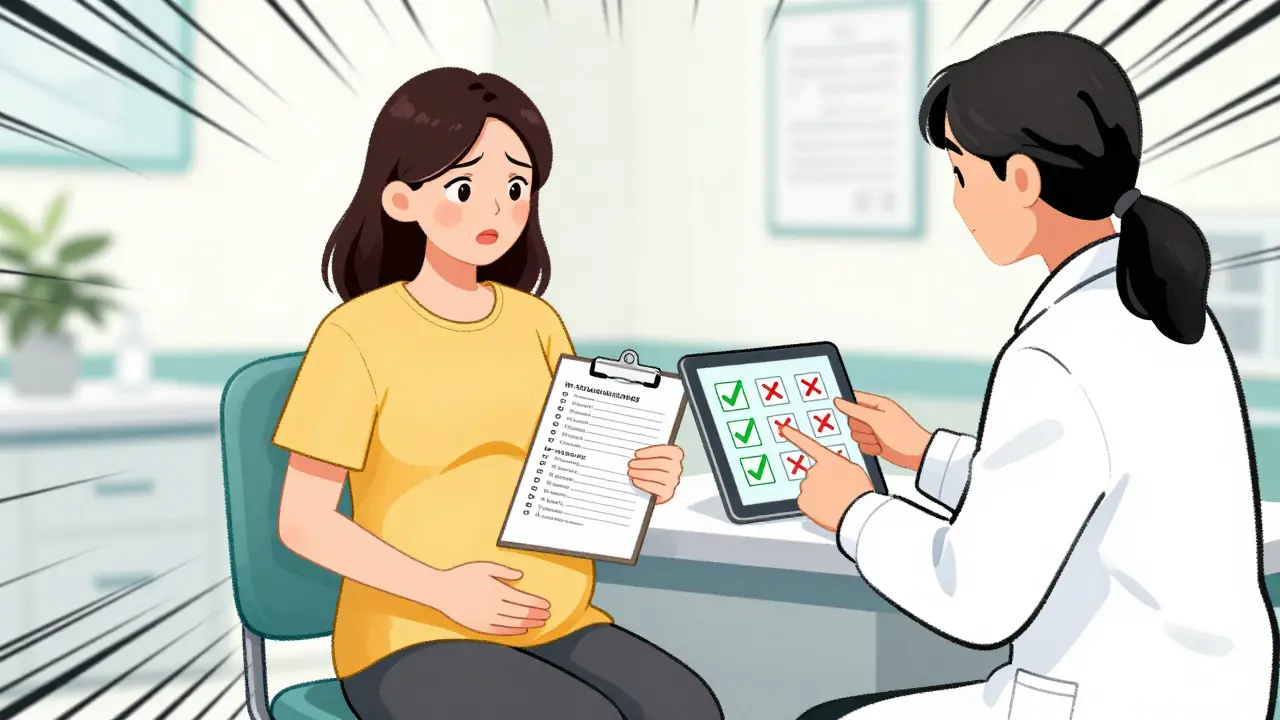
Did you know that roughly 90% of pregnant people take at least one medication during their pregnancy? It’s a staggering number, yet fear often keeps us from treating real pain or illness. The old system of labeling drugs with letters like A, B, C, D, and X was confusing and misleading, so the FDA replaced it in 2015 with detailed narrative summaries. Today, we rely on evidence-based guidance from organizations like the American College of Obstetricians and Gynecologists (ACOG) to balance your health needs with fetal protection. This guide breaks down which over-the-counter and prescription medications are generally considered safe, how to use them correctly, and what to avoid.
Understanding Modern Pregnancy Medication Safety
Gone are the days of simple letter grades for drug safety. Since 2015, the Pregnancy and Lactation Labeling Rule (PLLR) has required manufacturers to provide detailed risk summaries rather than broad categories. This change reflects the reality that medication safety depends on many factors: how far along you are, the dosage, and your personal medical history. Data from the MotherToBaby registry, which has tracked over 100,000 medication exposures since 1985, shows that most common treatments do not increase the risk of major birth defects when used as directed. However, because only about 12% of clinical trials include pregnant participants, there are still gaps in our knowledge. That is why shared decision-making with your healthcare provider is essential. You need to weigh the benefit of treating a severe condition against any potential, though often unproven, risks.
Pain Relief and Fever Reducers
Headaches and body aches are common during pregnancy, but choosing the right painkiller matters. Acetaminophen, known by brand names like Tylenol, is widely regarded as the safest option for pain and fever relief across all trimesters. However, dosage is critical. Most experts, including those at University of Michigan Medicine, recommend not exceeding 3,000mg per 24 hours. Recent studies have sparked debate about prolonged high-dose use and potential neurodevelopmental effects, but current consensus remains that short-term, standard-dose use is safe. On the other hand, non-steroidal anti-inflammatory drugs (NSAIDs) like ibuprofen (Advil) and naproxen (Aleve) carry significant risks. These should be avoided entirely after 20 weeks of gestation due to the potential for fetal kidney complications and low amniotic fluid levels. Even before 20 weeks, they are generally discouraged unless specifically prescribed by your doctor for a serious condition.
| Medication Type | Brand Examples | Safety Status | Key Restrictions |
|---|---|---|---|
| Acetaminophen | Tylenol | Generally Safe | Max 3,000mg/day; avoid long-term high doses |
| NSAIDs | Advil, Aleve, Motrin | Avoid After 20 Weeks | Risk of fetal renal issues; consult doctor before 20 weeks |
| Aspirin | Bayer | Avoid Unless Prescribed | Low-dose aspirin may be prescribed for preeclampsia prevention |
Allergy and Cold Remedies
Allergies and colds can be miserable, but several options are safe. For allergy relief, second-generation antihistamines are preferred because they cause less drowsiness. Cetirizine (Zyrtec) and Loratadine (Claritin) are consistently recommended by major health institutions. Fexofenadine (Allegra) is also considered safe. Stick to the plain versions of these drugs. Avoid multi-symptom formulas that combine allergies with cough suppressants or decongestants, as you might ingest unnecessary ingredients. For congestion, saline nasal sprays are universally safe and effective. If you need more strength, oxymetazoline (Afrin) can be used for no more than three consecutive days to prevent rebound congestion. Oral decongestants like pseudoephedrine (Sudafed) require caution. They are generally avoided in the first trimester and should not be used if you have high blood pressure. Always check with your provider before taking Sudafed, and note that some states require pharmacy counter pickup for these products.

Nausea and Morning Sickness
Morning sickness affects up to 80% of pregnancies. The gold standard treatment, supported by extensive data, is a combination of Vitamin B6 (pyridoxine) and Doxylamine succinate. This combination is actually the active ingredient in the FDA-approved prescription drug Diclegis. Many women find success using over-the-counter Unisom SleepTabs (which contain doxylamine) alongside Vitamin B6 supplements. A typical regimen involves taking 25mg of Vitamin B6 three times daily and 12.5mg to 25mg of doxylamine at night. If this doesn’t work, doctors may prescribe stronger anti-nausea medications like ondansetron (Zofran). Never stop eating or drinking to manage nausea; dehydration poses a greater immediate risk to you and your baby than most medications.
Digestive Issues: Heartburn and Constipation
Hormonal changes slow down digestion, leading to heartburn and constipation. For heartburn, Calcium carbonate (Tums) is the first-line defense. It provides calcium while neutralizing stomach acid. If Tums aren’t enough, famotidine (Pepcid) is another safe option, typically taken at 20mg twice daily. For constipation, osmotic laxatives like polyethylene glycol (Miralax) are preferred because they draw water into the bowel without stimulating muscle contractions. Stimulant laxatives should be avoided unless directed by a doctor. Remember that increasing fiber intake and staying hydrated are crucial complementary strategies. Some women report that taking too much calcium from antacids worsens constipation, so monitor your total calcium intake from diet and supplements.

Antibiotics and Prescription Medications
If you develop an infection, untreated bacterial infections can be more dangerous than the antibiotics themselves. Penicillins (like amoxicillin) and cephalosporins are generally considered safe throughout pregnancy. Macrolides like azithromycin are also commonly used. However, tetracyclines and fluoroquinolones are typically avoided due to potential effects on fetal bone and tooth development. For mental health, antidepressants like sertraline (Zoloft) are often continued during pregnancy because the risks of untreated depression outweigh the medication risks. Recent FDA communications highlight potential neonatal adaptation syndrome with SSRI use in late pregnancy, but this is rare and manageable. Never stop psychiatric medication abruptly; work closely with your OB-GYN and psychiatrist to adjust dosages if needed.
Common Pitfalls and Misconceptions
One major mistake patients make is assuming "natural" means safe. Herbal remedies like echinacea, ginkgo biloba, and high-dose vitamin E lack robust safety data and should be avoided. Another pitfall is confusing brand names. Claritin-D contains pseudoephedrine, making it different from regular Claritin. Similarly, Tylenol PM contains diphenhydramine, an antihistamine that causes drowsiness. Be careful with combination products. Always read the "Active Ingredients" label, not just the front packaging. Finally, don’t ignore symptoms hoping they’ll go away. Untreated high fevers, especially in the first trimester, can increase the risk of neural tube defects. Treating a fever with acetaminophen is safer than letting it run high.
Is it safe to take vitamins and supplements during pregnancy?
Yes, prenatal vitamins are essential and safe. They provide folic acid, iron, and other nutrients critical for fetal development. However, avoid megadoses of individual vitamins unless prescribed. High doses of Vitamin A (retinol) can be harmful. Stick to a standard prenatal multivitamin recommended by your healthcare provider.
Can I use ibuprofen in my first trimester?
While the highest risk is after 20 weeks, many doctors advise avoiding ibuprofen throughout pregnancy if possible. Acetaminophen is the preferred alternative. If you have chronic pain requiring NSAIDs, discuss this thoroughly with your OB-GYN to weigh the specific risks and benefits for your situation.
What should I do if I accidentally took an unsafe medication?
Don’t panic. Contact your healthcare provider immediately. In many cases, a single dose or short-term exposure does not cause harm. Your doctor can assess the specific drug, dosage, and timing to determine if any additional monitoring is needed. Resources like MotherToBaby can also provide expert counseling on medication exposures.
Are herbal teas safe during pregnancy?
Some herbal teas are safe, such as ginger tea for nausea or peppermint tea for digestion. However, others like licorice root, sage, and black cohosh should be avoided due to potential uterine stimulation or hormonal effects. Always check with your provider before starting any new herbal regimen, as "natural" does not always mean safe.
How does breastfeeding affect medication safety?
Many medications safe during pregnancy are also compatible with breastfeeding, but transfer rates vary. Drugs like acetaminophen and loratadine are generally considered safe. However, some medications accumulate in breast milk. Always consult a pharmacist or refer to resources like Dr. Thomas Hale’s "Medications and Mothers’ Milk" to ensure the drug is safe for nursing infants.
Next Steps and Troubleshooting
Start by creating a list of all medications and supplements you currently take. Bring this list to your next prenatal appointment. Ask your provider specifically about each item. If you develop a new symptom, call your clinic before heading to the pharmacy. They can recommend the safest option for your specific stage of pregnancy. Keep a copy of this guide handy, but remember that individual health conditions like asthma, diabetes, or hypertension may require specialized treatments that override general guidelines. Your health is vital to your baby’s well-being, so don’t suffer in silence-get the care you need safely.