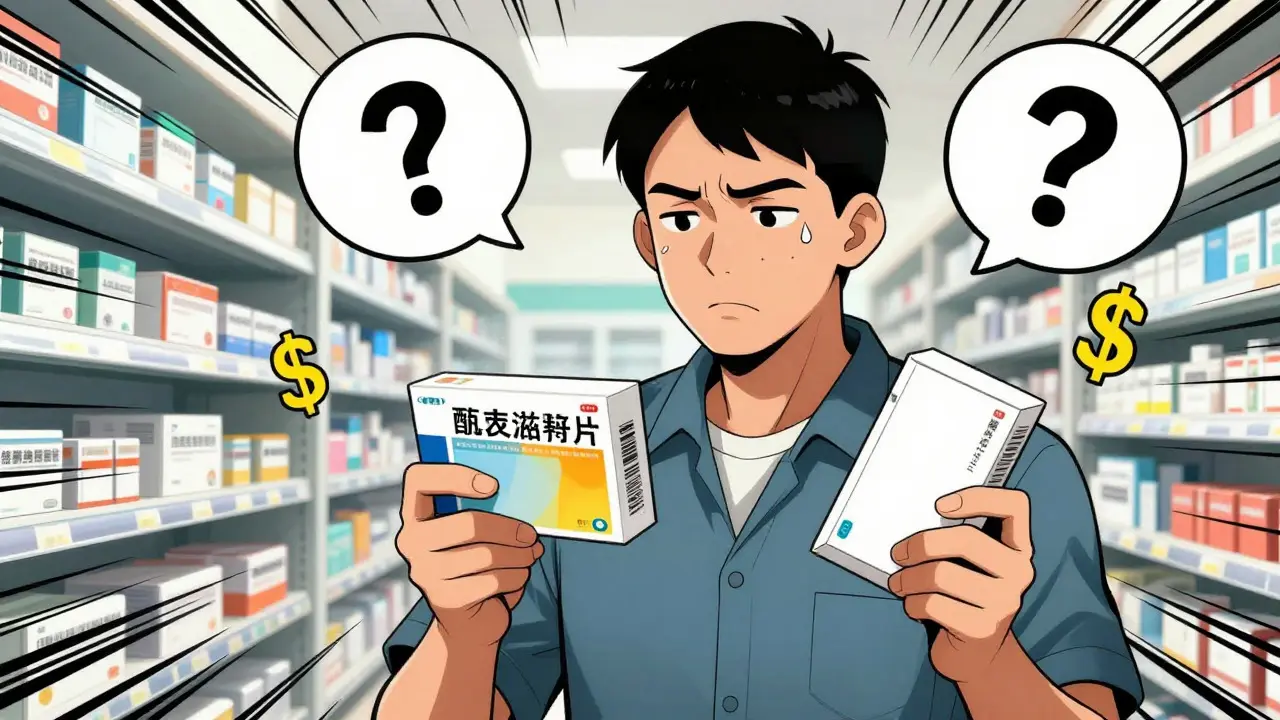
Imagine you’ve been taking a specific medication for years. It works. You trust it. Then, your pharmacist hands you a box that looks different-different color, different shape, maybe even a different name on the label. The price is significantly lower, but a nagging doubt creeps in. Is it the same? Will it still work? This isn’t just anxiety; it’s a widespread phenomenon rooted in brand psychology, where the perceived value of a product is heavily influenced by its branding rather than its chemical composition. Today, with the rise of digital health communities, these doubts are no longer private whispers. They are public narratives, shared as online reviews and patient testimonials that shape how millions view generic medications.
The disconnect between scientific evidence and consumer confidence is staggering. While generics account for approximately 90% of all prescriptions dispensed in the U.S., only about 27.3% of patients report complete confidence in their effectiveness. This gap creates a real-world problem: the nocebo effect. When patients expect a generic to fail, they often report more side effects and lower efficacy, even when the drug is chemically identical to the brand-name version. Understanding why this happens requires looking beyond chemistry into the realm of perception, social proof, and the power of shared experience.
The Science Behind the Skepticism
To understand the weight of an online review, we first need to grasp what a generic drug actually is. By definition, a generic medication contains the same active pharmaceutical ingredient (API) as its brand-name counterpart. The U.S. Food and Drug Administration (FDA) requires that generics demonstrate bioequivalence, meaning they must deliver the same amount of active ingredient into a patient's bloodstream within the same timeframe as the brand-name drug. Specifically, the 90% confidence intervals for the ratio of geometric means of area under the curve (AUC) and maximum concentration (Cmax) must fall within 80-125% of the brand-name drug’s profile.
Despite these rigorous standards, perceptions lag behind science. A systematic review of 52 studies published in PMC (2015) revealed that 35.6% of laypeople believe generics are less effective than branded medications. Compare this to 28.7% of doctors and 23.6% of pharmacists who hold similar beliefs. This discrepancy highlights a critical issue: while healthcare professionals rely on data, patients often rely on intuition and anecdote. When a patient reads a Reddit thread titled “Generic Lyrica didn’t work for me,” that personal narrative carries more emotional weight than a statistical chart showing 90% equivalence.
| Stakeholder Group | % Believing Generics Are Less Effective | Primary Influence Source |
|---|---|---|
| Lay People / Patients | 35.6% | Online Reviews & Personal Experience |
| Doctors | 28.7% | Clinical Trials & Guidelines |
| Pharmacists | 23.6% | Regulatory Standards & Training |
This skepticism isn't baseless fear; it’s often fueled by legitimate variations in inactive ingredients. While the active drug is the same, fillers, binders, and dyes can differ. For most people, this doesn’t matter. But for those with sensitivities or conditions requiring precise dosing, such as narrow therapeutic index drugs, these differences can feel significant. Online forums amplify these outliers. One negative experience becomes a cautionary tale for thousands, skewing the collective perception of quality.
The Power of Digital Narratives
In the age of social media, patient voices have never been louder. Platforms like PatientsLikeMe, Reddit’s r/pharmacy, and various health forums serve as modern-day word-of-mouth networks. A machine learning analysis in Frontiers (2024) examined thousands of posts and found that misconceptions about generics being “cheap and poor copies” were a strong predictor of rejection. Conversely, recognizing generics as equivalent was the strongest positive predictor of acceptance.
Consider the typical online narrative. A user might post: “My doctor switched me to generic sertraline, and I felt worse within two weeks.” This story resonates because it’s personal. It validates the fears of others who hesitate to switch. In contrast, positive stories-“I saved $2,180 over three years with zero difference”-are often overlooked unless the reader is already financially motivated. This selection bias in online reviews creates a distorted reality where negative experiences seem more common than they statistically are.
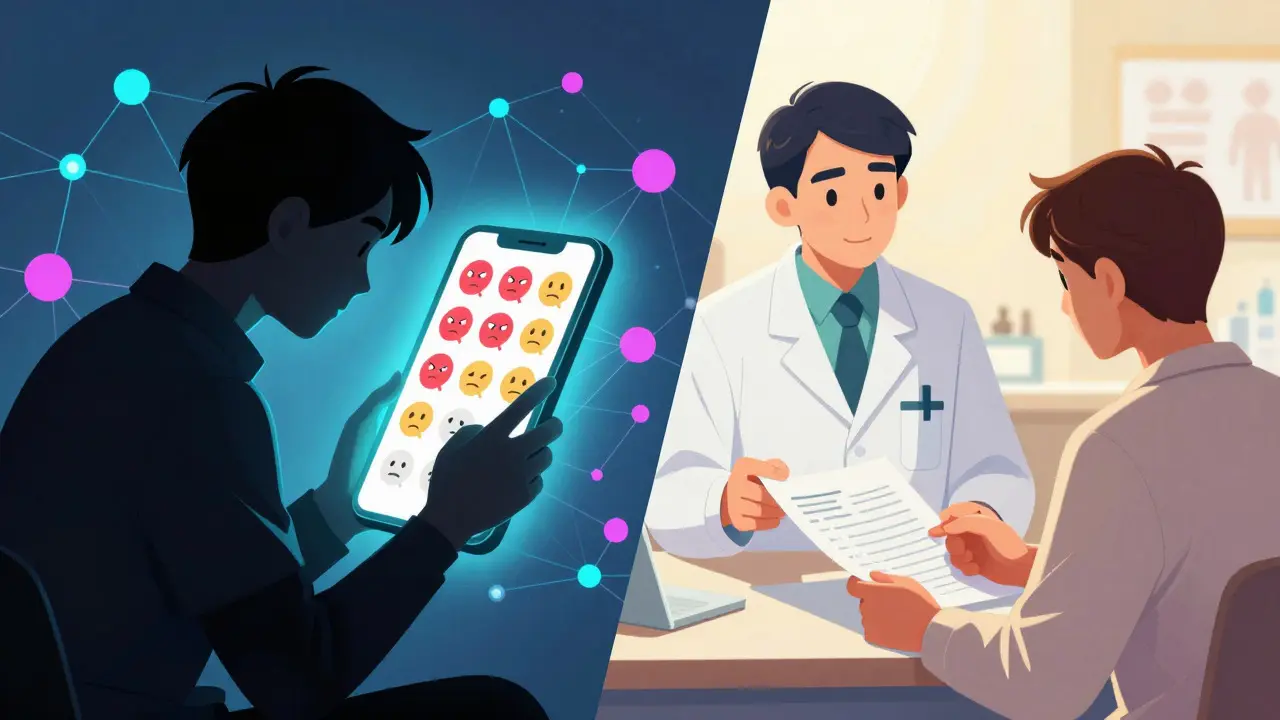
The impact of these narratives is measurable. A study in the European Journal of Public Health (2018) found that patients receiving identical tramadol hydrochloride but labeled as generic showed a 22.7% higher discontinuation rate compared to those who believed they were taking the brand-name drug. They also reported higher pain levels and consumed more non-prescribed pills. This is the nocebo effect in action: the expectation of inferiority manifests as actual physical symptoms. Online reviews act as a catalyst for this expectation, priming patients to notice any minor fluctuation in their condition and attribute it to the generic label.
Healthcare Providers as Trust Bridges
If online reviews sow doubt, healthcare providers are the ones who must harvest trust. Research consistently shows that the relationship between a patient and their provider is the single most influential factor in medication adherence. A PLOS ONE study (2020) found that 69.8% of participants expressed a positive inclination toward generics when recommended by physicians or pharmacists. However, this trust is fragile. If a provider dismisses concerns too quickly, the patient may turn back to online forums for validation.
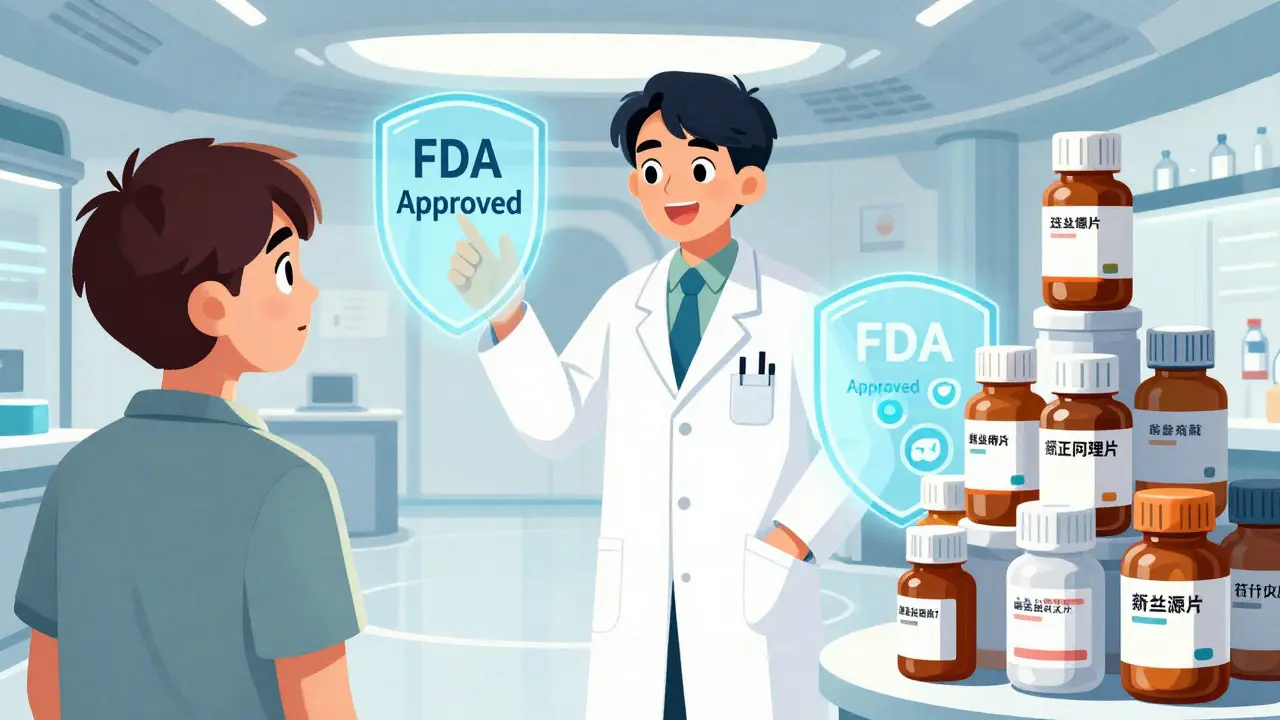
Effective communication is key. Dr. Judith A. Stafford, President of the American Pharmacists Association, noted that when pharmacists take the time to explain the rigorous FDA approval process for generics, patient acceptance increases by approximately 40%. This isn’t about arguing; it’s about education. Explaining that the FDA’s bioequivalence standards are strict, and that generics undergo the same safety checks as brand-name drugs, can demystify the process. Structured communication protocols, such as spending 90-120 seconds explaining generic equivalence, have been shown to increase patient acceptance by 38.7% in multi-site trials.
However, time is a constraint. Primary care physicians often have only 1.7 minutes on average for medication discussions. In this brief window, a simple handout or a clear, empathetic explanation can make a difference. Kaiser Permanente implemented standardized “Generic Medication Facts” handouts, which reduced patient inquiries about generics by 52.3% and increased adherence by 18.6% within six months. These tools empower patients to verify information themselves, reducing reliance on potentially biased online sources.
Economic Implications and Market Trends
The perception gap isn’t just a psychological issue; it’s an economic one. The generic pharmaceutical market was valued at $442.7 billion globally in 2023. Yet, perception issues cost the U.S. healthcare system an estimated $14.3 billion annually in avoidable brand-name prescriptions and complications arising from non-adherence. When patients refuse generics due to misinformation, they pay out-of-pocket costs that could be avoided, straining both personal finances and the broader healthcare system.
Interestingly, demographics play a role in these perceptions. Younger patients (aged 18-34) show 68.2% positive attitudes toward generics, compared to only 41.7% among those aged 65+. Education level also correlates strongly with accurate understanding of generic equivalence. This suggests that targeted educational campaigns could bridge the gap. The FDA’s 2023 Generic Drug User Fee Amendments (GDUFA III) allocated $15.7 million specifically for consumer education initiatives. Preliminary results from the “Generics: Same Medicine, Lower Cost” campaign showed a 22.4% improvement in consumer confidence metrics after six months.
Industry trends are also shifting. There is growing interest in “authorized generics”-brand-name companies selling unbranded versions of their own drugs. This strategy leverages the trust associated with the original manufacturer while offering the cost benefits of generics. With a 37.6% year-over-year growth in authorized generic prescriptions, this model offers a potential middle ground for skeptical patients who want assurance of quality without the premium price tag.
Navigating the Future of Generic Acceptance
As we move forward, technology offers new ways to address these challenges. Machine learning models can now predict which patients are at risk of rejecting generics based on demographic and knowledge factors, allowing for targeted interventions before a prescription is even filled. Blockchain-based supply chain verification, piloted by companies like MediLedger, promises to provide transparency regarding drug provenance, addressing quality concerns with near-perfect accuracy.
However, technology alone won’t solve the trust deficit. The core issue remains human: the need for reassurance, understanding, and empathy. Online reviews will continue to shape perceptions, for better or worse. The goal isn’t to silence these voices but to contextualize them. By combining robust scientific communication with empathetic patient engagement, we can shift the narrative from skepticism to informed confidence. After all, when a patient trusts their medication, they are more likely to stick with it, leading to better health outcomes and a more sustainable healthcare system.
Are generic medications exactly the same as brand-name drugs?
Generic medications contain the same active pharmaceutical ingredient (API) as brand-name drugs and must meet strict FDA bioequivalence standards, ensuring they deliver the same amount of active ingredient into the bloodstream within the same timeframe. However, they may differ in inactive ingredients, such as fillers, binders, and dyes, which can affect appearance and, rarely, tolerability for sensitive individuals.
Why do some patients report more side effects with generics?
This phenomenon is often linked to the nocebo effect, where negative expectations lead to the perception of side effects. Studies show that patients who believe generics are less effective report 27.4% higher rates of side effects. Additionally, differences in inactive ingredients can cause mild reactions in some individuals, though these are not due to the active drug itself.
How much cheaper are generic medications compared to brand-name drugs?
According to the Congressional Budget Office (2022), generic medications are typically priced 80-85% lower than their brand-name counterparts. This significant cost difference makes generics essential for healthcare affordability, yet perception gaps often prevent patients from fully benefiting from these savings.
Do online reviews accurately reflect the effectiveness of generic drugs?
Online reviews often suffer from selection bias, where negative experiences are more likely to be shared than positive ones. While they provide valuable personal insights, they do not represent the broader scientific consensus. Machine learning analyses suggest that misconceptions spread through these platforms are a strong predictor of generic rejection, highlighting the need for balanced, evidence-based information.
What can healthcare providers do to improve patient acceptance of generics?
Healthcare providers can increase acceptance by dedicating 90-120 seconds to explain the rigorous FDA approval process for generics and using standardized educational materials. Empathetic listening and validating patient concerns, rather than dismissing them, helps build trust. Studies show that confident explanations from pharmacists can increase patient adherence by up to 32.5%.
olatunde oluranti
August 15, 2026 AT 10:42the fda is just a puppet for big pharma. they let the generics slide because the margins are too good to ignore. you think bioequivalence matters when the fillers are literally industrial grade trash? i switched from brand name lipitor to generic and my liver enzymes went through the roof. they dont tell you that part. its all about keeping the population sick and dependent on cheap substitutes while the real cure sits in a vault somewhere.
Rachel Robinson Interiors
August 16, 2026 AT 13:57I completely agree with the point about provider communication being key. It is so frustrating when doctors rush through these explanations, leaving patients feeling dismissed rather than informed. Taking that extra minute to validate concerns can truly make a world of difference in how comfortable someone feels with their treatment plan.
Paul Coar
August 17, 2026 AT 12:55yo this article is spot on man. i always feel weird switching but then i look at my bank account and realize i cant afford the fancy stuff anyway. its crazy how much our brains play tricks on us. if it works for half price why complain right? just trust the process dude.
Garry Hedges
August 18, 2026 AT 01:25bioequivalence is a joke. 80-125% range means they can be significantly different. stop lying to people. inactive ingredients matter more than you think. i had seizures on generic keppra that i never had on brand. go check the studies yourself instead of trusting corporate propaganda.
Jamaal Johnson
August 19, 2026 AT 10:55It is rather fascinating to observe the psychological mechanisms at play here. The nocebo effect serves as a potent reminder that perception often dictates reality in medical contexts. One must acknowledge that while the chemical composition remains identical, the ritual of consumption and the associated branding create a distinct experiential framework for the patient.
Vivek sharma
August 20, 2026 AT 02:17In my culture we respect the wisdom of tradition but also embrace progress :). This gap between science and belief is universal. We must bridge it with empathy not just data. The mind heals or harms based on what it believes. Trust is the most powerful medicine of all.
Jw George John Warren
August 21, 2026 AT 11:32oh please 😂 everyone loves to hate generics until they see the bill. but yeah sure lets pretend the fillers dont matter. i bet the brand name ones have magic dust in them 🧚♂️. typical reddit crowd acting like they know better than scientists. keep telling yourselves stories though.
Jesse Barlau
August 23, 2026 AT 08:20While the economic arguments are compelling, we must not overlook the nuanced role of individual physiological responses which, although rare, can indeed vary due to differences in excipients. It is important to maintain a respectful dialogue where patient anecdotes are heard without immediate dismissal, yet contextualized within the broader statistical evidence base that supports generic efficacy for the vast majority of the population.
Ankit Sinha
August 23, 2026 AT 17:31you people are idiots. the author clearly states that 90% confidence intervals are required. do you even read? if your doctor says take it take it. stop whining about colors and shapes. its not a candy store. the only thing failing here is your critical thinking skills. get over it.
teresa baldini
August 24, 2026 AT 17:03The narrative presented herein is undeniably persuasive; however, one must remain skeptical of the institutional motives driving such educational campaigns. Is it truly for our benefit, or merely to reduce healthcare costs by forcing compliance with cheaper alternatives? The correlation between education and acceptance seems suspiciously convenient for the insurers.