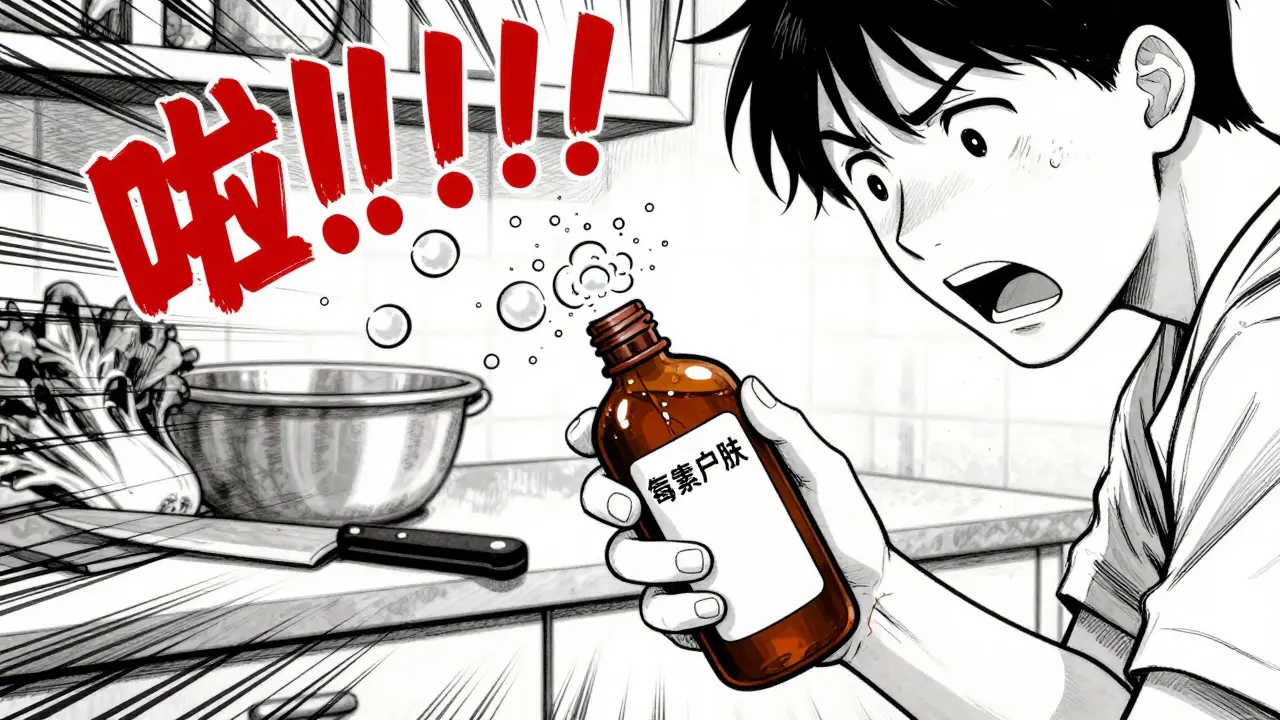
Picture this: you’re chopping vegetables for dinner when your knife slips. A shallow cut appears on your thumb, bleeding slightly. You rush to the bathroom, grab a cotton ball, and dip it in the brown bottle of hydrogen peroxide sitting on the shelf. It bubbles furiously, stings like fire, and then… nothing else happens. You bandage it up, hoping for the best.
If that sounds familiar, you aren’t alone. Most of us have treated minor injuries with whatever was closest at hand, often without understanding how those products actually work-or worse, how they might slow down healing. Over-the-counter (OTC) first aid medications are powerful tools, but only if used correctly. Using the wrong product, or using it incorrectly, can turn a minor scrape into an infected wound or mask symptoms of something more serious.
The goal of this guide isn’t just to list what’s in your cabinet. It’s to help you build a smarter, safer response plan for everyday injuries. We’ll break down the three pillars of OTC first aid: cleaning wounds, preventing infection, and managing pain. By the end, you’ll know exactly which products to buy, how to use them, and when to stop relying on them and see a doctor.
Cleaning Wounds: The Truth About Antiseptics
The first step in treating any open wound is cleaning it. This removes dirt, debris, and bacteria that could lead to infection. But not all cleaners are created equal, and some popular choices can actually damage your skin.
Hydrogen Peroxide (a common antiseptic solution typically found in 3% concentration) has been a staple in medicine cabinets for decades. When you pour it on a cut, it fizzes. That fizzing looks like it’s “cleaning” the wound, but it’s actually the chemical breaking down organic matter-including your healthy skin cells. Research from the Journal of Wound Care shows that while povidone-iodine reduces bacterial load by 99.8%, hydrogen peroxide only achieves about 92.3% reduction. More importantly, the tissue damage caused by peroxide can delay healing. Use it sparingly, if at all, and never on deep or large wounds.
Isopropyl Alcohol (an antiseptic usually available in 60-70% concentrations) is another common choice. It kills germs quickly, but it also strips away natural oils and damages delicate new tissue. Applying alcohol directly to an open wound causes significant pain and can irritate the area, making healing slower. Instead, use alcohol wipes to clean the skin *around* the wound or to disinfect tools like scissors or tweezers before use.
A better option for most minor cuts and scrapes is simply soap and water. Gently wash the area with mild soap and cool running water to flush out dirt. If you need an antiseptic boost, consider Povidone-Iodine (a broad-spectrum antiseptic solution available in 5-10% concentrations). It’s effective against a wide range of bacteria and viruses. However, it can stain skin and clothing yellow-brown, so be careful where you apply it. Also, note that iodine solutions lose potency over time; keep them in airtight containers away from sunlight.
- Do: Wash wounds gently with soap and water.
- Do: Use alcohol pads to clean surrounding skin or tools.
- Don’t: Pour hydrogen peroxide directly into deep cuts.
- Don’t: Ignore expiration dates-antiseptics lose effectiveness within months of opening.
Preventing Infection: How to Use Antibiotic Ointments
Once a wound is clean, the next step is protecting it from bacteria. This is where antibiotic ointments come in. They create a moist environment that promotes healing and prevents infection. But not every ointment works for everyone.
The gold standard in many households is Triple Antibiotic Ointment (a combination ointment containing bacitracin, neomycin, and polymyxin B). Brands like Neosporin dominate the market, with studies showing they prevent infection in over 92% of minor wound cases. These ointments target multiple types of bacteria, offering broader protection than single-ingredient options.
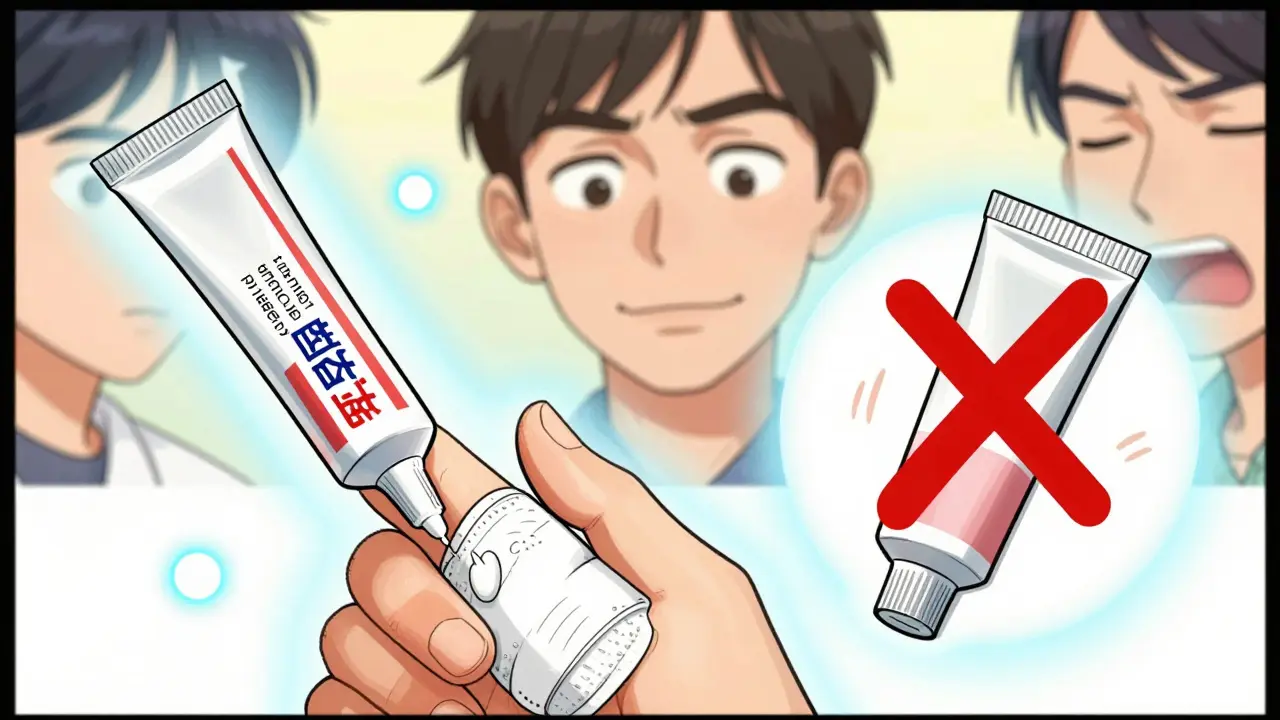
However, there’s a catch: allergies. According to data from the New England Journal of Medicine, about 5.2% of people develop sensitivity to neomycin, one of the key ingredients in triple antibiotic ointments. If you’ve ever noticed redness, itching, or swelling after applying Neosporin, you might be reacting to it. In that case, switch to a Bacitracin-only ointment (a single-ingredient antibiotic ointment suitable for sensitive skin). It’s less likely to cause reactions and still provides effective protection against common skin bacteria.
Here’s how to apply these ointments correctly:
- Clean and dry the wound thoroughly.
- Apply a thin layer of ointment-just enough to cover the surface.
- Cover with a sterile bandage or gauze.
- Change the dressing daily, or whenever it gets wet or dirty.
Don’t forget storage matters. Antibiotic ointments degrade over time. Once opened, their potency drops by about 15% each year. Replace any tube older than 12 months, even if it looks fine. Keeping expired ointments in your kit gives you a false sense of security.
Managing Pain: Choosing the Right OTC Medication
Pain is your body’s alarm system. While you want to manage discomfort, you also need to choose the right medication based on the type of pain you’re experiencing. Not all pain relievers work the same way.
Acetaminophen (a pain reliever and fever reducer sold under brands like Tylenol) is gentle on the stomach and ideal for headaches, fevers, or non-inflammatory pain. It doesn’t reduce swelling, but it’s safe for people who can’t take anti-inflammatories. Stick to doses between 325mg and 1,000mg per serving, and never exceed 4,000mg in 24 hours. Going over that limit risks severe liver damage.
Ibuprofen (a nonsteroidal anti-inflammatory drug (NSAID) sold as Advil or Motrin) tackles both pain and inflammation. If your injury involves swelling-like a sprained ankle or a bumped elbow-ibuprofen is usually the better choice. Take 200-400mg per dose, maxing out at 1,200mg daily unless directed otherwise. Be cautious if you have stomach issues, as NSAIDs can increase the risk of gastrointestinal bleeding.
Aspirin (a salicylate-based pain reliever and blood thinner) serves two purposes. For general pain and inflammation, it works similarly to ibuprofen. But its most critical role is in emergencies: chewable aspirin tablets can help during a suspected heart attack by reducing clotting. The American Heart Association notes that taking aspirin within 30 minutes of symptoms can lower mortality rates significantly. Keep a few chewable tablets in your kit, but consult a doctor before giving aspirin to children due to the risk of Reye’s syndrome.
Naproxen Sodium (a long-lasting NSAID sold as Aleve) offers pain relief for up to 12 hours, compared to 4-6 hours for ibuprofen. It’s great for sustained discomfort, but it carries higher cardiovascular risks, especially for those with pre-existing heart conditions. Use it cautiously and follow dosage instructions strictly.
| Medication | Best For | Daily Max Dose | Key Risk |
|---|---|---|---|
| Acetaminophen | Headaches, fever, non-inflammatory pain | 4,000 mg | Liver damage if overdosed |
| Ibuprofen | Swelling, joint pain, muscle soreness | 1,200 mg | Stomach irritation, bleeding |
| Aspirin | Pain, inflammation, heart attack emergency | Varies by use | Bleeding, Reye’s syndrome in kids |
| Naproxen Sodium | Long-lasting pain relief | 660 mg | Cardiovascular risk |
Building and Maintaining Your First Aid Kit
Having the right products is useless if they’re expired, broken, or buried under clutter. A well-maintained first aid kit should be accessible, organized, and checked regularly.
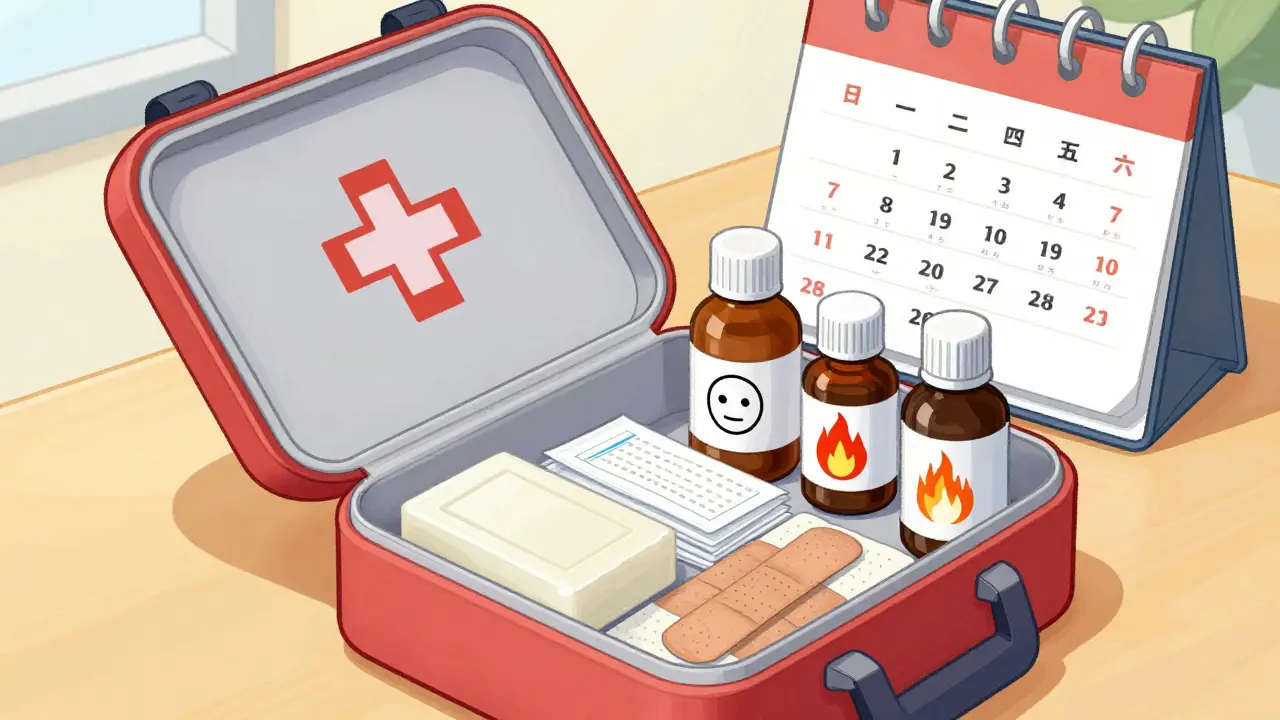
Start with the basics: antiseptic wipes, antibiotic ointment, adhesive bandages, sterile gauze, medical tape, and a selection of pain relievers. Add items based on your household needs-children might need pediatric formulations, while athletes may benefit from elastic wraps.
Storage conditions matter more than you think. Heat and humidity degrade medications. Don’t store your kit in a hot car glovebox or a damp basement. Keep it in a cool, dry place away from direct sunlight. Check expiration dates twice a year-a good habit is to review your kit when daylight saving time changes. Replace anything that’s past its prime.
Also, label everything clearly. If you’re unsure about a medication’s purpose or dosage, throw it out. Guessing with OTC drugs can lead to serious mistakes. And remember: OTC medications are for minor ailments only. If pain persists beyond a few days, or if a wound shows signs of infection (redness spreading, pus, fever), see a healthcare provider immediately.
Common Mistakes to Avoid
Even experienced caregivers make errors. Here are some pitfalls to watch out for:
- Overusing antiseptics: Cleaning a wound too aggressively damages tissue. Gentle washing is usually enough.
- Ignoring allergies: Assuming everyone tolerates triple antibiotic ointment can lead to contact dermatitis.
- Mixing medications: Taking acetaminophen and ibuprofen together without tracking total doses can lead to accidental overdose.
- Hoarding expired supplies: Expired meds don’t just lose potency-they can become unsafe.
- Delaying professional care: Relying solely on OTC remedies for worsening symptoms delays proper treatment.
Your first aid kit is a tool for empowerment, not a substitute for medical expertise. Use it wisely, update it often, and know when to call for help.
Can I use hydrogen peroxide on a fresh cut?
It’s not recommended. Hydrogen peroxide kills bacteria but also damages healthy skin cells, which can slow healing. For most minor cuts, washing with soap and water is safer and equally effective.
How long does antibiotic ointment last after opening?
Antibiotic ointments lose potency over time. Once opened, they degrade by about 15% annually. Replace any tube older than 12 months, regardless of appearance.
What’s the difference between acetaminophen and ibuprofen?
Acetaminophen relieves pain and fever but doesn’t reduce inflammation. Ibuprofen is an NSAID that targets both pain and swelling, making it better for injuries involving inflammation like sprains.
Should I keep aspirin in my first aid kit?
Yes, especially chewable tablets. Aspirin can help in emergencies like suspected heart attacks by reducing blood clotting. However, avoid giving it to children due to the risk of Reye’s syndrome.
When should I see a doctor instead of using OTC meds?
Seek medical attention if pain lasts more than a few days, wounds show signs of infection (spreading redness, pus, fever), or if you suspect a fracture or serious internal injury. OTC meds are for minor, temporary issues only.
KESHAV KUMAR
June 20, 2026 AT 10:21Wow, who knew cleaning a cut was such a high-stakes operation? I just used the brown stuff and lived to tell the tale. 🙄
Bruno Sarri
June 21, 2026 AT 10:17I really appreciate how this guide breaks down the science behind common household items. It’s easy to fall into old habits, like using hydrogen peroxide because it bubbles, but understanding that it actually damages healthy tissue is crucial for proper healing.
I’ve personally switched to just soap and water for minor scrapes, and my wounds seem to heal faster without the stinging. The point about antibiotic ointments losing potency after opening is also something many people overlook. We tend to keep those tubes forever, thinking they’re still effective, but if they’re degrading by 15% a year, we might be doing more harm than good.
Thanks for sharing this practical advice. It’s always better to be informed when dealing with health issues, even small ones.
KESHAV KUMAR
June 22, 2026 AT 17:51@Bruno Sarri Yeah, yeah, 'science.' Meanwhile, I’m over here living my best life with a little sting. If it ain’t broke, don’t fix it, right?
ankit agarwal
June 23, 2026 AT 19:31The epistemological framework of wound care has long been obscured by folkloric misconceptions propagated by pop culture narratives. The utilization of hydrogen peroxide as a primary antiseptic agent represents a paradigmatic error in cellular biology, wherein the oxidative stress induced by the decomposition of H2O2 leads to necrosis of fibroblasts and keratinocytes, thereby impeding the proliferative phase of wound healing.
Furthermore, the pharmacokinetics of topical antibiotics necessitate a rigorous adherence to expiration protocols, as the degradation of active compounds such as neomycin can lead to subtherapeutic dosing and subsequent selection pressure for resistant bacterial strains. This is not merely a matter of convenience but a critical aspect of microbiological stewardship. The dichotomy between acetaminophen and NSAIDs further elucidates the importance of mechanistic specificity; while acetaminophen operates centrally via COX inhibition in the CNS, NSAIDs exert peripheral anti-inflammatory effects through systemic COX-1 and COX-2 suppression. Understanding these nuances is imperative for optimal clinical outcomes in self-administered first aid scenarios.
Stephanie Cree
June 25, 2026 AT 15:45Oh, please! 😒 Do you really think anyone reads all that jargon?! You sound like a textbook written by someone who’s never actually had a cut on their hand! 🤦♀️
Here’s the REAL truth: Most people are too lazy to read instructions anyway! They just grab whatever is closest! And let me tell you, keeping expired meds in your cabinet is just plain irresponsible! It’s dangerous! It’s negligent! And frankly, it’s morally bankrupt! 💔
If you can’t even manage a simple first aid kit properly, what else are you messing up in life?! 🙄✨
Sonam Norbu
June 26, 2026 AT 08:47This is exactly why our healthcare system is failing! We need to take control of our own health instead of relying on big pharma pushing these weak OTC solutions! Real strength comes from natural remedies and self-reliance! Stop letting them tell you what to put on your skin! Stand up for yourself and your family! Don’t be a sheep following some generic guide!
Koushiki Behera
June 26, 2026 AT 15:24It’s interesting how we often overlook the deeper wisdom in simple acts like caring for our bodies. 🌿 When we treat a wound gently, we’re not just healing skin; we’re honoring the resilience of life itself. The idea that pain is an alarm system reminds us to listen to our inner voices rather than silence them with force. Maybe there’s a lesson here about compassion-not just for others, but for ourselves. ✨ Let’s embrace healing as a journey, not just a fix. 💖
Hafiz Omeiza
June 27, 2026 AT 16:14It is abundantly clear that the majority of individuals lack the basic competency required to manage even the most trivial of injuries. The prevalence of misinformation regarding antiseptics is nothing short of scandalous. One would assume that reading a label is a fundamental skill, yet here we are, debating the efficacy of hydrogen peroxide as if it were a novel scientific discovery.
The data presented is unequivocal: Povidone-Iodine is superior. To suggest otherwise is willful ignorance. Furthermore, the notion that one should ‘guess’ at medication purposes is preposterous. If you cannot distinguish between acetaminophen and ibuprofen, perhaps you should refrain from handling medical supplies altogether. This level of incompetence is unacceptable in a civilized society.
Alex Johnston
June 28, 2026 AT 08:47You think this is just about cuts? Think again. 🧐 The government wants you dependent on their approved ‘safe’ chemicals while hiding the truth about natural immunity. Hydrogen peroxide works because it disrupts the matrix of control! They don’t want you to know that your body can heal itself without their patented ointments. Wake up! The FDA is just another arm of the deep state trying to keep you sick and compliant. Trust no one. 🚫💊
Sam Dudgeon
June 28, 2026 AT 12:49look i dont know why everyone is so upset about a little blood... its just skin deep right? but seriously if you cant handle a tiny cut maybe you shouldnt be cooking dinner lol. anyway stop crying about it and move on. life goes on. 🤷♂️
Kimberly Maten-ao
June 28, 2026 AT 18:52Wait, so if I have a sprained ankle, I should definitely go for ibuprofen instead of tylenol? That makes sense since swelling is the main issue there. But what about if I have both pain AND swelling? Can I take both together safely? I always get confused about mixing meds.
Sumit gupta
June 28, 2026 AT 19:52Hey guys, just wanted to chime in. I’ve been using bacitracin instead of neosporin for years because my skin gets super itchy with the triple antibiotic stuff. Good to see it mentioned here! Also, pro tip: keep your first aid kit in a cool place. I used to leave mine in the garage and half the stuff dried out or expired early. Now I keep it in a closet and check it every time clocks change. Easy habit!