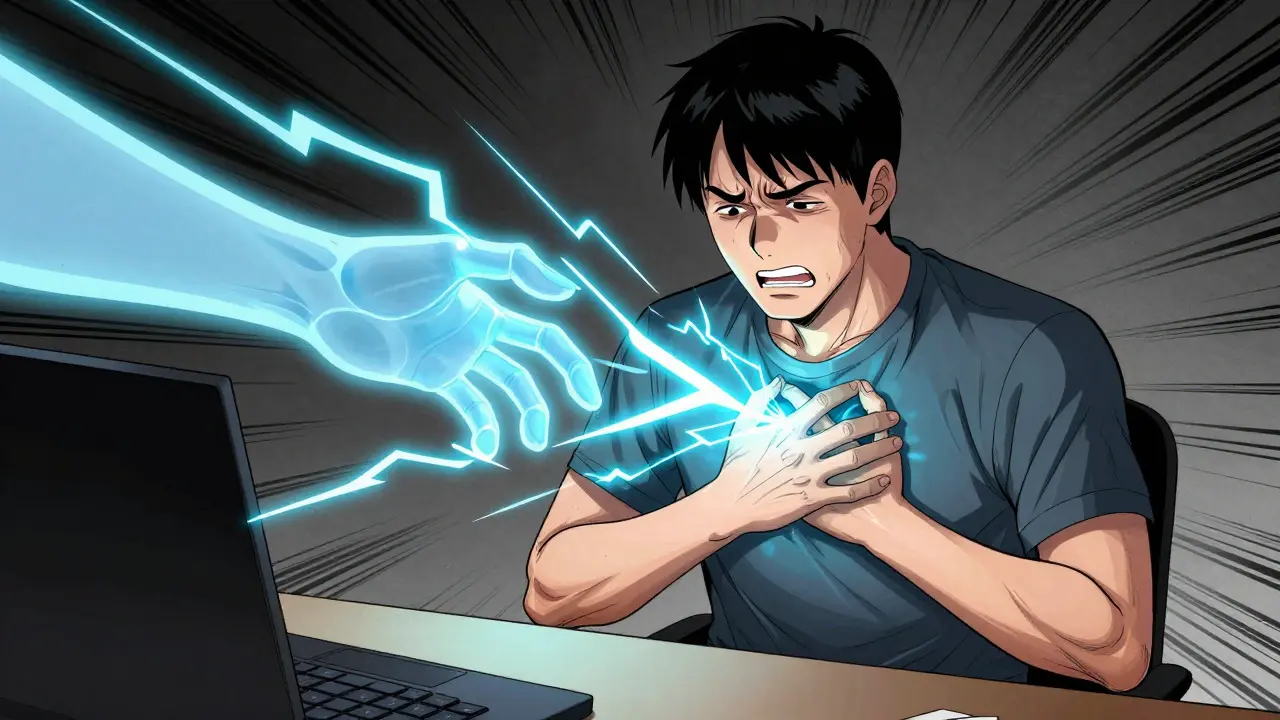
Imagine feeling a sharp cramp in your hand, but you lost that hand years ago. The pain is real, the sweat is real, and the frustration is overwhelming. This isn't a trick of the mind or a sign of psychological distress. It is phantom limb pain, a complex neurological condition where the brain perceives pain signals from a missing body part. For the millions of people living with limb loss, this sensation can be debilitating, affecting sleep, mood, and daily function.
You are not alone in this struggle. Research indicates that between 60% and 85% of amputees experience phantom limb pain at some point. While the exact cause remains a subject of intense study, we know it stems from changes in the spinal cord and brain, not just nerve endings at the stump. The good news? There are effective ways to manage it. From non-invasive techniques like mirror therapy to targeted medications, modern medicine offers a toolkit for reclaiming your comfort. Let’s break down what actually works, how these treatments function, and how you can build a plan that fits your life.
Understanding Why Phantom Limb Pain Happens
To treat phantom limb pain effectively, it helps to understand where it comes from. Historically, doctors misunderstood this condition as purely psychological. Today, neuroimaging studies using MRI and PET scans have proven otherwise. When you feel pain in your missing limb, specific regions of your brain-the ones that used to process signals from that limb-light up with activity.
This phenomenon is called cortical remapping. Think of your brain as a busy office building. Each floor handles different parts of your body. When a limb is removed, those floors go dark. But the brain hates empty space. Neighboring areas, like the face or torso, start sending signals into those vacant zones. Over time, the brain gets confused. A touch on your cheek might register as a pinch in your missing finger. This miscommunication creates the burning, tingling, or cramping sensations associated with phantom pain.
It is crucial to distinguish phantom limb pain from residual limb pain (also known as stump pain). Residual limb pain occurs at the site of the amputation and is often caused by surgical trauma, bone spurs, or ill-fitting prosthetics. Phantom pain originates in the missing part itself. Treating them requires different approaches. If you try to massage a painful phantom toe, you won’t find relief because there is no tissue to soothe. Instead, you need to calm the nervous system that is generating the false signal.
Mirror Therapy: Tricking the Brain into Healing
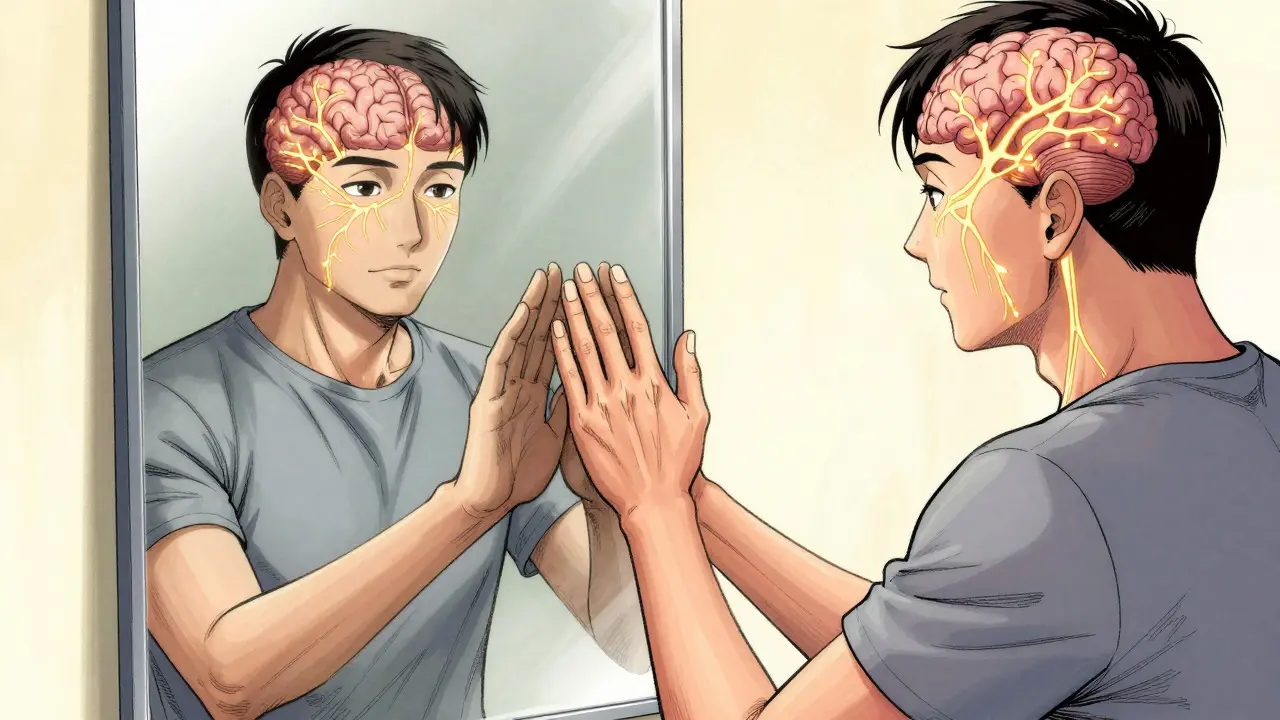
One of the most fascinating and drug-free interventions for phantom limb pain is mirror therapy, a visual feedback technique that uses mirrors to create an illusion of the missing limb moving freely. Developed by neuroscientist V.S. Ramachandran, this method directly addresses the cortical remapping issue described above.
Here is how it works. You place a mirror vertically between your remaining limbs. If you have lost your left hand, you hide it behind the mirror and look at your right hand’s reflection. To your brain, the reflection looks like your left hand. As you move your right hand, you watch the "left" hand move smoothly and without pain. This visual input contradicts the pain signals your brain expects. Over time, this helps retrain the neural pathways, reducing the confusion that causes pain.
Implementing mirror therapy doesn’t require expensive equipment. You can use a standard household mirror or a specialized mirror box. Here is a simple protocol to get started:
- Set up your space: Sit comfortably with the mirror placed vertically between your arms or legs.
- Hide the missing side: Ensure the amputated side is completely out of sight behind the mirror.
- Observe the reflection: Focus intently on the reflection of your intact limb. Imagine it is your missing limb.
- Perform gentle movements: Move your intact limb slowly. Try making fists, bending fingers, or flexing toes. Watch the reflection do the same.
- Consistency is key: Aim for 15-30 minutes per session, once or twice daily. Most patients notice improvement after several weeks of consistent practice.
While mirror therapy shows promise, adherence can be challenging. Some patients find it difficult to maintain focus or see results immediately. However, when combined with other treatments, it often enhances overall pain reduction. Recent advancements even suggest virtual reality (VR) could improve engagement, potentially increasing success rates by making the experience more immersive.
Medications: Calming the Nerves
When physical therapies aren’t enough, medications play a critical role in managing phantom limb pain. Since PLP is a type of neuropathic pain (nerve pain), standard painkillers like ibuprofen or acetaminophen often fall short. Instead, doctors prescribe drugs that target nerve signaling directly.
| Drug Class | Examples | How It Works | Typical Side Effects |
|---|---|---|---|
| Tricyclic Antidepressants | Amitriptyline, Nortriptyline | Blocks chemicals involved in pain transmission | Drowsiness, dry mouth, weight gain |
| Anticonvulsants | Gabapentin, Pregabalin | Calms overactive nerves | Dizziness, fatigue, swelling |
| NMDA Receptor Antagonists | Ketamine (IV) | Blocks glutamate receptors to reset pain signals | Dissociation, nausea, high blood pressure |
| NSAIDs | Ibuprofen, Naproxen | Reduces inflammation (mild effect on PLP) | Stomach upset, kidney strain |
Tricyclic antidepressants like amitriptyline are often the first line of defense. Despite their name, they work well for nerve pain even if you don’t have depression. Doctors usually start with a low dose (e.g., 10 mg at bedtime) and gradually increase it to minimize side effects like drowsiness. Anticonvulsants such as gabapentin and pregabalin are also widely prescribed. They help stabilize electrical activity in the nerves, reducing the frequency and intensity of pain spikes. Many patients report significant relief, though finding the right dose can take trial and error.
For severe, refractory cases where other treatments fail, ketamine infusions may be considered. Administered intravenously in a clinical setting, ketamine acts as an NMDA receptor antagonist, essentially hitting the "reset" button on chronic pain pathways. While highly effective for some, it carries risks and requires careful monitoring. Opioids like oxycodone or morphine are generally avoided due to addiction risks and limited long-term efficacy for neuropathic pain, but they may be used temporarily for acute flare-ups under strict medical supervision.

Combining Approaches for Better Results
Relying on a single treatment rarely solves phantom limb pain completely. The most successful strategies combine multiple modalities. For example, you might use mirror therapy daily while taking a low dose of gabapentin at night. This dual approach attacks the problem from both the brain (visual feedback) and the nerves (chemical modulation).
Other complementary options include:
- TENS (Transcutaneous Electrical Nerve Stimulation): A small device sends mild electrical currents through electrodes placed on the residual limb. This can interfere with pain signals traveling to the brain. Studies show 30-50% efficacy in moderate cases.
- Botox Injections: Botulinum toxin injected into trigger points on the residual limb can reduce muscle spasms and sweating, which sometimes alleviates referred pain.
- Cognitive Behavioral Therapy (CBT): Chronic pain affects mental health. CBT helps you develop coping strategies, manage stress, and change negative thought patterns associated with pain.
Early intervention is vital. If phantom pain persists beyond six months, the chances of it disappearing on its own drop significantly. Starting treatment early can prevent the central sensitization that makes pain harder to treat later. Work closely with a multidisciplinary team-including your surgeon, pain specialist, and physical therapist-to tailor a plan that evolves with your needs.
Living with Phantom Limb Pain: Practical Tips
Managing phantom limb pain is a marathon, not a sprint. Beyond formal treatments, lifestyle adjustments can make a big difference. Stress and fatigue are common triggers that worsen symptoms. Prioritize sleep hygiene and relaxation techniques like deep breathing or meditation. Keep a pain diary to identify patterns-does the pain spike before weather changes? After wearing your prosthesis for too long? Knowing your triggers allows you to proactively adjust your routine.
Stay active within your limits. Gentle exercise improves blood flow and releases endorphins, your body’s natural painkillers. Avoid prolonged immobility, which can stiffen joints and increase discomfort. Connect with support groups, either online or locally. Sharing experiences with others who understand the unique challenges of limb loss can provide emotional relief and practical advice.
Remember, progress may be slow, and setbacks happen. Be patient with yourself. Celebrate small victories, like a night of uninterrupted sleep or a day with minimal pain. With the right combination of mirror therapy, medications, and self-care, many people achieve significant relief and regain control over their lives.
Is phantom limb pain permanent?
Not necessarily. While some cases resolve spontaneously, persistent pain lasting more than six months has a slim chance of disappearing without intervention. Early treatment significantly improves outcomes, and many patients achieve substantial relief through a combination of therapies.
How long does it take for mirror therapy to work?
Results vary by individual. Some patients notice improvement within a few weeks, while others may need several months of consistent practice. Daily sessions of 15-30 minutes are recommended for best results.
Can I use over-the-counter painkillers for phantom limb pain?
Over-the-counter NSAIDs like ibuprofen may provide mild, temporary relief for some, but they are generally less effective than prescription nerve pain medications like gabapentin or amitriptyline. Consult your doctor before relying solely on OTC options.
What are the side effects of gabapentin for phantom pain?
Common side effects include dizziness, drowsiness, and fatigue. Less commonly, patients may experience weight gain or swelling. Starting with a low dose and gradually increasing it can help minimize these effects.
Does stress make phantom limb pain worse?
Yes, stress and anxiety are known triggers that can exacerbate phantom limb pain. Techniques like mindfulness, meditation, and cognitive behavioral therapy can help manage stress levels and reduce pain intensity.