When you walk into a dermatology clinic or scroll through a skincare forum, two names dominate the conversation: tretinoin and adapalene. These aren't just trendy ingredients; they are the heavy hitters of skin health. If you are looking to clear stubborn acne or smooth out the fine lines of aging, you have likely encountered them. But choosing between them can feel like navigating a minefield of conflicting advice. One is a prescription powerhouse, the other is an over-the-counter favorite. Both work wonders, but they do it in slightly different ways.
This guide cuts through the marketing hype to give you the facts. We will break down exactly how these retinoids work, who should use which one, and how to apply them without destroying your skin barrier. By the end, you will know precisely which path fits your skin goals.
The Science Behind Retinoid Therapy
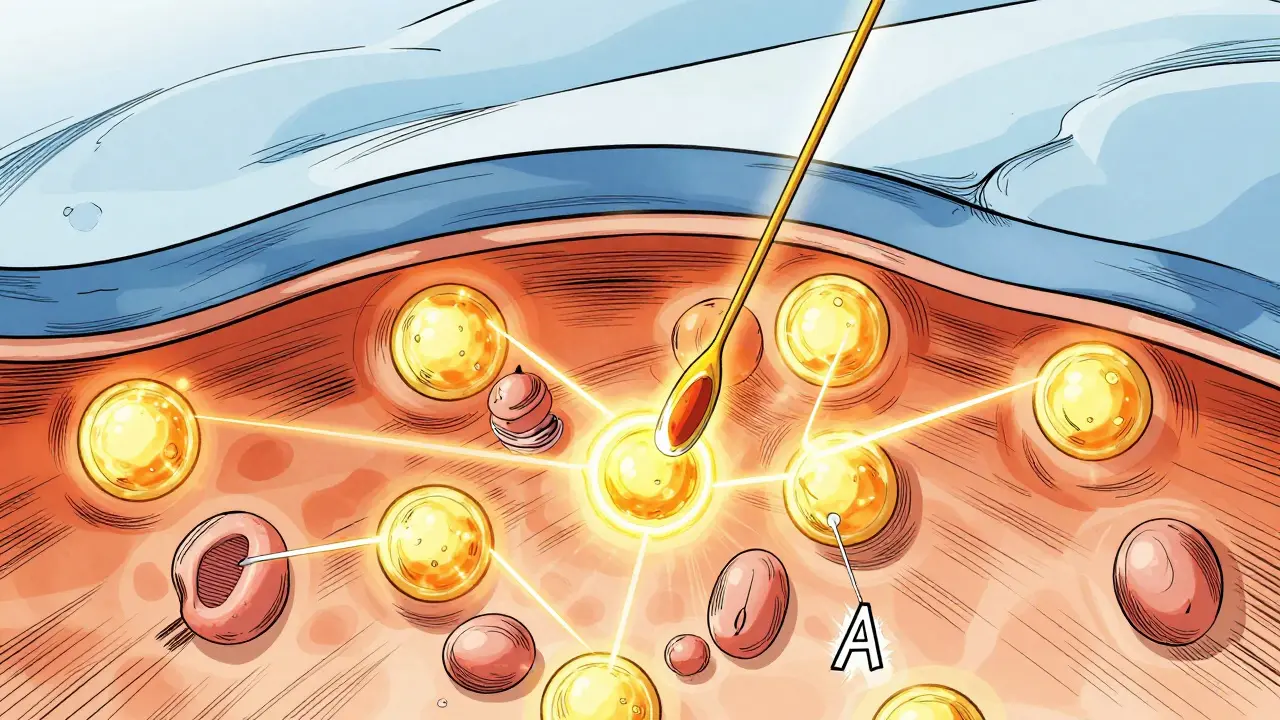
To understand why these products work, you need to know what they actually are. Retinoids are derivatives of Vitamin A. Vitamin A is a nutrient essential for cell growth and repair, and its derivatives are used in dermatology to accelerate skin renewal.. When you apply a retinoid, it doesn't just sit on the surface. It penetrates the skin and binds to specific receptors in your cells. This binding tells your skin to behave like younger, healthier skin.
The primary mechanism involves normalizing the turnover rate of skin cells. In acne-prone skin, cells shed too quickly and clog pores. In aging skin, they shed too slowly, leading to dullness. Retinoids correct this balance. They increase collagen production, which plumps the skin and reduces wrinkles. They also unclog pores, preventing the formation of new acne lesions. This dual action makes them unique; few other ingredients can treat active breakouts and prevent future signs of aging simultaneously.
However, this rapid cellular activity comes with a price. Your skin needs time to adjust to the new pace of cell turnover. This adjustment period is often called "retinization." During these first few weeks, you might experience dryness, peeling, or a temporary increase in breakouts. It is a sign that the product is working, not that it is damaging you. Understanding this process is the key to sticking with the treatment long enough to see results.
Tretinoin: The Gold Standard for Anti-Aging
Tretinoin is a prescription-strength retinoid derived from Vitamin A, known for its potent effects on skin cell turnover and collagen production. Also known as Retin-A, it has been a staple in dermatology since the 1970s. It is the most researched retinoid available, with decades of data proving its efficacy.
Tretinoin is particularly effective for photoaging. If your primary concern is sun damage, deep wrinkles, or hyperpigmentation, this is often the first choice for doctors. It works on both the surface and the deeper layers of the skin, stimulating collagen production in the dermis. Studies have shown that consistent use can significantly reduce the appearance of fine lines and improve skin texture within a few months.
However, potency comes with sensitivity. Tretinoin is chemically unstable and degrades quickly when exposed to light and air. This is why it must be applied at night. It also has a higher potential for irritation compared to newer retinoids. Common side effects include redness, stinging, and significant peeling, especially when you first start using it. Because of this, it is generally recommended for people with resilient skin or those who have experience with active ingredients.
Availability varies by region. In many places, it requires a doctor's prescription, which can add cost and a barrier to entry. Formulations range from creams to gels and lotions, with concentrations typically between 0.01% and 0.1%. Microsphere formulations are designed to release the medication slowly, which can help reduce irritation while maintaining effectiveness.
Adapalene: The Gentle Alternative
Adapalene is a third-generation synthetic retinoid that offers similar benefits to tretinoin with a lower risk of irritation. Developed later than tretinoin, it was engineered to be more stable and less irritating. This stability allows it to be combined with other ingredients, such as benzoyl peroxide, without losing potency.
Adapalene is primarily known for treating acne. It is highly effective at unclogging pores and reducing inflammation. Unlike tretinoin, it targets the epidermal layer more specifically, which makes it less likely to cause deep dermal irritation. This makes it an excellent starting point for beginners or those with sensitive skin. In many countries, including the US and UK, adapalene is available over-the-counter at 0.1% concentration, removing the need for a doctor's visit.
While it is slightly less potent than tretinoin for deep wrinkles, it is still an effective anti-aging ingredient. It helps smooth texture and fade dark spots over time. The trade-off is that you might need to use it for a longer duration to see the same anti-aging results as tretinoin. However, for most people concerned with acne and mild signs of aging, the difference is negligible, especially when you factor in the ease of use.
One major advantage is its chemical stability. Adapalene does not degrade as quickly in light, though it is still best used at night. It is also less likely to cause the "purge" phase that many dread. Users report that while purging can happen, it is usually shorter and less severe than with tretinoin. This higher tolerability means people are more likely to stick with the routine.
Comparing Efficacy and Tolerability
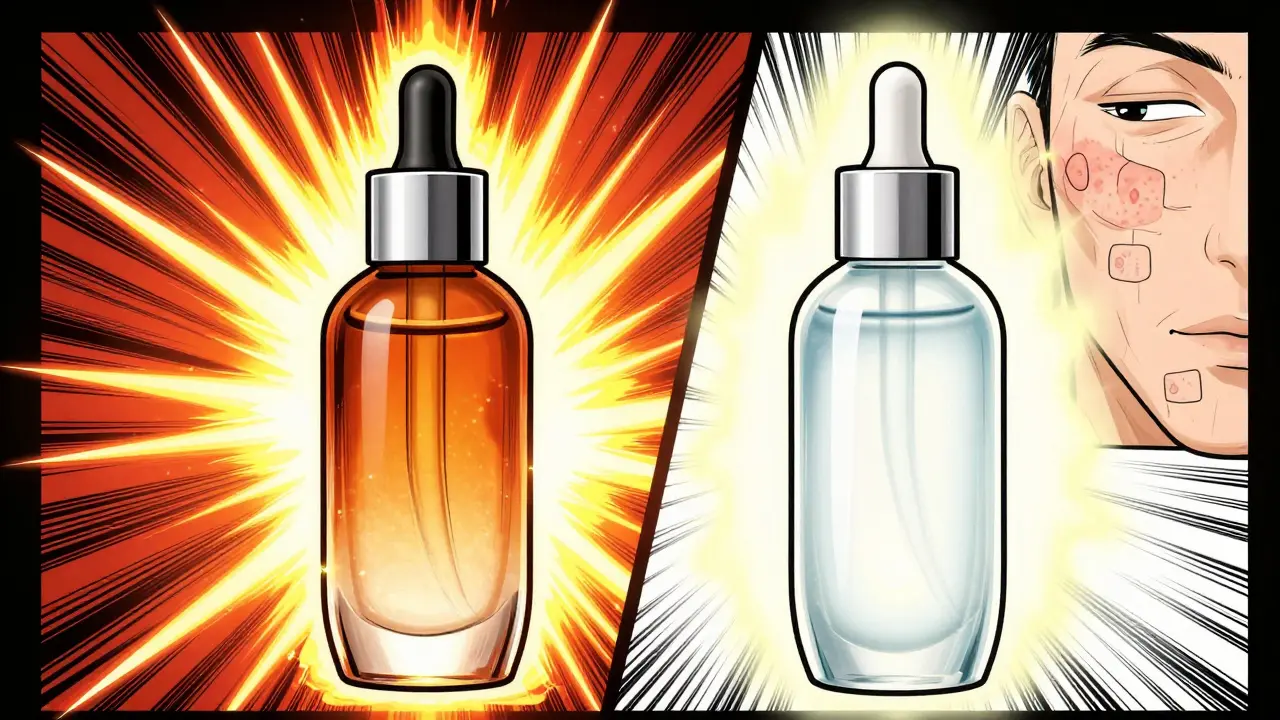
Choosing between these two often comes down to a balance between results and comfort. Clinical trials have compared them head-to-head, and the data is clear. Adapalene 0.1% is statistically equivalent to tretinoin 0.025% for treating acne, but with significantly lower irritation scores. If your main goal is clearing active breakouts without a painful adjustment period, adapalene is often the smarter choice.
For anti-aging, tretinoin generally wins on paper. It has a longer history of data supporting its ability to reverse sun damage. However, newer formulations of tretinoin have improved tolerability, narrowing the gap. If you have tried adapalene for six months and feel your results have plateaued, switching to a prescription tretinoin might give you that extra boost in collagen production.
| Feature | Tretinoin | Adapalene |
|---|---|---|
| Primary Use | Anti-aging, Acne, Hyperpigmentation | Acne, Mild Anti-aging |
| Availability | Prescription only (varies by region) | Over-the-counter (0.1%) and Prescription (0.3%) |
| Irritation Risk | High | Low to Moderate |
| Stability | Unstable in light/air | Stable in light/air |
| Best For | Experienced users, Significant sun damage | Beginners, Sensitive skin, Acne |
Cost is another factor. Prescription tretinoin can be expensive without insurance, often costing significantly more than an over-the-counter adapalene tube. However, generic tretinoin is often available at a lower cost, making it accessible for many. Insurance coverage for prescription retinoids can reduce the financial burden, but it adds the time commitment of doctor visits.
How to Start Retinoid Therapy Safely
Starting a retinoid is a commitment. You cannot rush the process. The most common mistake is using too much product too soon. This leads to a damaged skin barrier, which causes more breakouts and redness than the retinoid itself. To avoid this, follow a gradual introduction protocol.
Begin by applying a pea-sized amount to your entire face, avoiding the eye area and lips. Do this only two or three nights a week. On the nights you do not use the retinoid, focus on hydration and barrier repair with gentle moisturizers. After a few weeks, if your skin tolerates it well, increase the frequency to every other night. Eventually, you may be able to use it nightly, but this is not always necessary for good results.
Moisturizing is non-negotiable. Retinoids dry out the skin. Using a moisturizer helps mitigate this side effect. Many dermatologists recommend the "sandwich method": apply a layer of moisturizer, wait for it to dry, apply the retinoid, and then apply another layer of moisturizer. This buffers the active ingredient, reducing irritation while still allowing it to work.
Sun protection is critical. Retinoids make your skin more sensitive to UV rays. If you do not wear sunscreen daily, you will undo the benefits of the treatment and potentially cause more damage. Use a broad-spectrum SPF 30 or higher every morning, regardless of the weather. This is not optional; it is part of the therapy.

Common Mistakes to Avoid
Even with good intentions, people often sabotage their progress. One frequent error is using other active ingredients simultaneously. If you are using a retinoid, avoid combining it with strong exfoliants like AHAs, BHAs, or other retinoids in the same routine. This overwhelms the skin and causes inflammation. Space them out or use them on alternate nights.
Another mistake is giving up too soon. The "retinization" phase can last 4 to 6 weeks. During this time, your skin might look worse before it looks better. Purging is normal, but severe burning or cracking is not. If you experience severe pain, stop and consult a professional. However, mild flaking and dryness are expected. Consistency is the only way to get past this phase.
Finally, do not expect overnight miracles. Retinoid therapy is a long-term investment. It takes about three months to see significant changes in acne, and six to twelve months for anti-aging benefits. Patience is your most important tool. If you stick with it, the results are usually worth the wait.
Frequently Asked Questions
Can I use retinoids if I am pregnant?
No. Both tretinoin and adapalene are classified as Category C drugs by the FDA, meaning there is potential risk to the fetus. You should stop using them when trying to conceive and throughout pregnancy. Consult your doctor for safe alternatives like azelaic acid.
How long does it take to see results?
For acne, you may see improvement in 8 to 12 weeks. For anti-aging benefits like wrinkle reduction, it typically takes 3 to 6 months of consistent use. Patience is key during the initial adjustment period.
Should I apply retinoids in the morning or at night?
Always apply retinoids at night. They are unstable in sunlight and can degrade. Additionally, they increase photosensitivity, so using them during the day without perfect sun protection is risky.
Can I mix retinoids with Vitamin C?
It is generally best to separate them. Vitamin C is acidic and can irritate skin already sensitized by retinoids. Use Vitamin C in the morning and retinoids at night to avoid conflict.
What is the difference between prescription and OTC retinoids?
Prescription retinoids like tretinoin are generally stronger and more regulated. OTC retinoids like adapalene are slightly milder but still effective for many users. The main difference is concentration and accessibility.
Retinoid therapy is a powerful tool in your skincare arsenal. Whether you choose the classic strength of tretinoin or the gentler approach of adapalene, the key is consistency and patience. By understanding how these ingredients work and respecting your skin's need for adjustment, you can achieve clearer, healthier skin without unnecessary suffering. Start slow, protect your skin from the sun, and give it the time it needs to transform.
Debra Brigman
March 26, 2026 AT 01:04The journey of skin renewal is truly a metaphor for life itself. We peel away the old layers to reveal the fresh potential underneath. It takes patience to let the transformation happen without rushing the process. Many people want instant fixes but the magic is in the consistency. Adapalene feels like a gentle whisper to the cells while tretinoin shouts with authority. Both have their place in the grand tapestry of self care. I find the chemical stability of adapalene fascinating in how it resists the elements. Tretinoin demands respect for its instability and light sensitivity. You must treat these compounds with reverence rather than casual indifference. The barrier repair is just as important as the active ingredient itself. Hydration acts as the bridge between irritation and efficacy. We often forget that skin is an organ needing nutrition and protection. Sunscreen becomes the shield that guards the kingdom during the day. Nighttime is when the true work of cellular turnover takes place. Ignoring the sun protection step is like building a house without a roof. The results are cumulative and require a long term vision. Embrace the purge as a sign of cleansing rather than punishment.
Tony Yorke
March 27, 2026 AT 17:31Just started using adapalene last week and already seeing less redness
tyler lamarre
March 28, 2026 AT 00:49Most people here think they understand dermatology after reading a blog post. The reality is that over the counter options are often watered down for liability reasons. You want real results then you need to deal with the prescription grade stuff. Adapalene is fine for teenagers but adults need the heavy artillery. I see so many people ruining their skin with improper application techniques. It is amusing to watch the masses follow trends without understanding the chemistry. Stability matters less than penetration depth in my professional opinion. You are better off saving money on moisturizers and buying a better retinoid.
Philip Wynkoop
March 29, 2026 AT 08:22I always forget to mention the sunscreen bit but it is super important. My skin was crazy red when I first started using tretinoin. Now I just use it every other night and it feels fine. The sandwich method really does help with the stinging sensation. Hope everyone finds what works for their skin type :)
Poppy Jackson
March 29, 2026 AT 17:58Oh my goodness you really need to be careful with the strength levels. It is so easy to get carried away with the potency of these products. I remember when my friend tried to use it daily from day one. Her face was peeling like crazy for weeks and she almost gave up. You have to be so gentle with yourself during the adjustment period. Patience is truly a virtue in this skincare journey. Keep hydrating and protecting your barrier at all costs.
Jeannette Kwiatkowski Kwiatkowski
March 30, 2026 AT 00:56The marketing around these products is absolutely ridiculous in my opinion. Companies push adapalene because it is easier to sell without a doctor visit. Real anti aging requires the prescription strength stuff to get anywhere. Most people are wasting their time on the milder options that barely do anything. It is a scam to tell you that gentle is better when you want results. You either commit to the stronger compound or you accept mediocrity. I will not waste money on products that do not deliver the goods.
Aaron Olney
March 31, 2026 AT 23:54I tried tretinoin and it was a disaster for me honestly. My face was burning like crazy and I had to stop using it. Adapalene was much better for me but still caused some peeling. I think everyone reacts diffrently to these things. The article says sun protection is key but I forget that sometimes. It is so hard to be consistent with a routine like this. I hope you all dont get too irritated when you start.
Richard Kubíček
April 2, 2026 AT 04:52It is wonderful to see so many people taking an interest in skin health. These ingredients have been around for decades for a reason. The science is solid and the results speak for themselves. You just have to find the right balance for your unique skin type. There is no shame in starting slow and building up tolerance. Consistency will always win over intensity in the long run. I am optimistic that everyone will find success with the right approach.