
Patients aren’t waiting for brochures anymore-they’re scrolling for answers
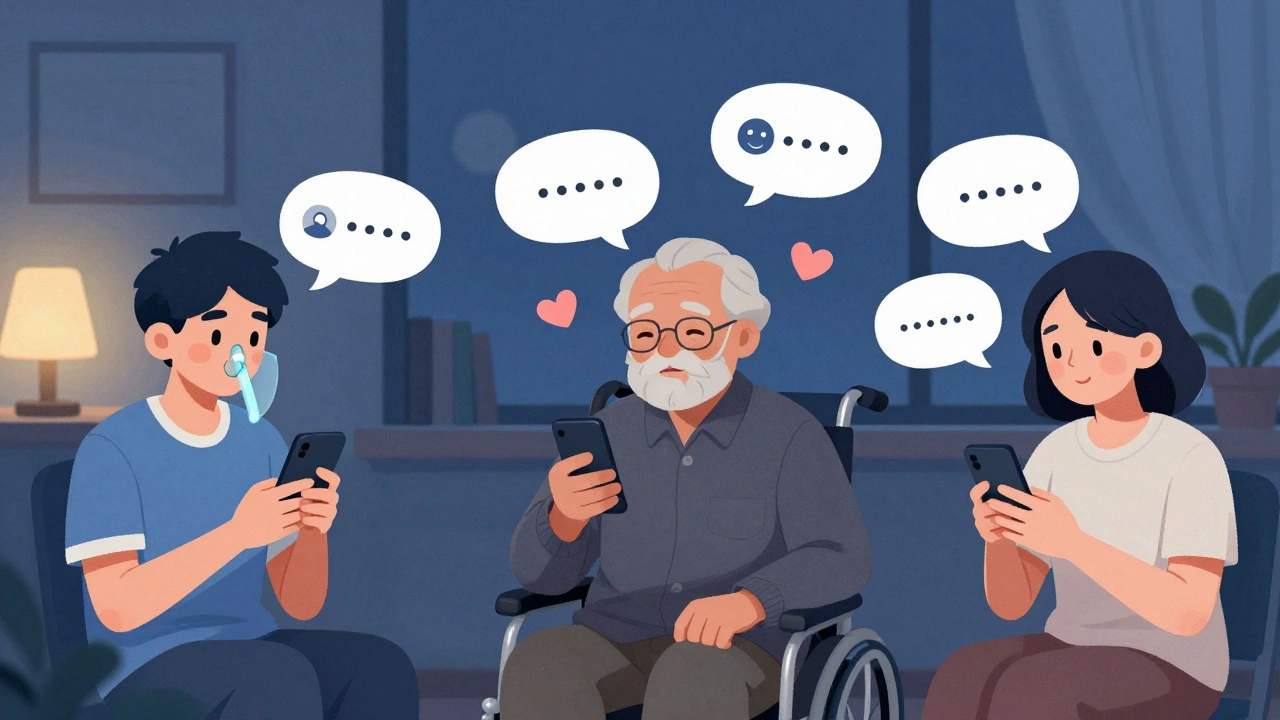
Five years ago, a diabetic patient might have received a printed handout at their clinic. Today, they open Instagram and find a 60-second Reel from someone just like them showing how to carb-count on a budget. They watch a YouTube video of a stroke survivor relearning to walk. They join a Facebook group where people share insulin pump tips at 2 a.m. This isn’t just convenience-it’s changing how people understand their health.
Social media isn’t replacing doctors. But it’s becoming the first place patients turn for real, relatable information. A 2025 survey of 12,000 adults across the UK and US found that 68% of patients under 45 used social media to research symptoms, treatment options, or side effects before calling their GP. Among those over 65, the number was still 41%. The shift isn’t about replacing clinical advice-it’s about meeting people where they already are.
Which platforms actually work for patient education?
Not every platform is built for health education. Choosing the wrong one wastes time and can even spread misinformation.
- Instagram leads in visual health education. Reels showing medication routines, meal prep for kidney disease, or physical therapy exercises get 2.8x more engagement than static posts. The new Broadcast Channels let clinics send weekly tips to 10,000+ followers at once-no algorithm blocking it.
- YouTube is where people go to dive deep. Educational videos averaging 15.7 minutes of watch time (up from 12.3 in 2024) are now the top resource for post-surgery recovery guides, mental health coping strategies, and chronic illness management. The February 2025 algorithm update hurt reach, but channels with consistent uploads and clear titles still grow.
- TikTok is the fastest-growing tool for reaching Gen Z and young adults. Short videos under 90 seconds with captions have 4.2x higher completion rates than longer content. A hospital in Manchester saw a 300% increase in young patients asking about mental health services after launching a series of authentic, unscripted patient stories.
- Facebook Groups remain the most trusted space for long-term support. Groups for cancer survivors, parents of children with autism, or people managing hypertension have 78% higher retention than general pages. People stay because they find others who’ve been there.
- LinkedIn is for healthcare professionals sharing research, guidelines, and continuing education. It’s not for patients-but it’s where clinicians learn how to communicate better with them.
Trying to be everywhere fails. The most successful health programs focus on just two platforms. One NHS trust in Scotland saw engagement jump 44% after shutting down their Twitter account and doubling down on Instagram and Facebook Groups.
Real examples: What works in patient education today
Here’s what’s actually moving the needle:
- Diabetes UK’s #MySugarStory campaign features real patients posting weekly videos of their blood sugar logs, meal choices, and emotional struggles. The hashtag now has over 2.1 million views. Patients say it helps them feel less alone.
- Edinburgh Royal Infirmary’s Stroke Recovery Channel on YouTube posts 3-minute daily exercises filmed in patients’ homes. Comments show people relearning to tie shoes or speak again. The videos are subtitled, slow-paced, and avoid medical jargon.
- Asthma UK’s TikTok series uses trending sounds to explain inhaler techniques. One video showing a teen using a spacer with a pop song hit 8.3 million views. The post didn’t mention the brand-just the technique.
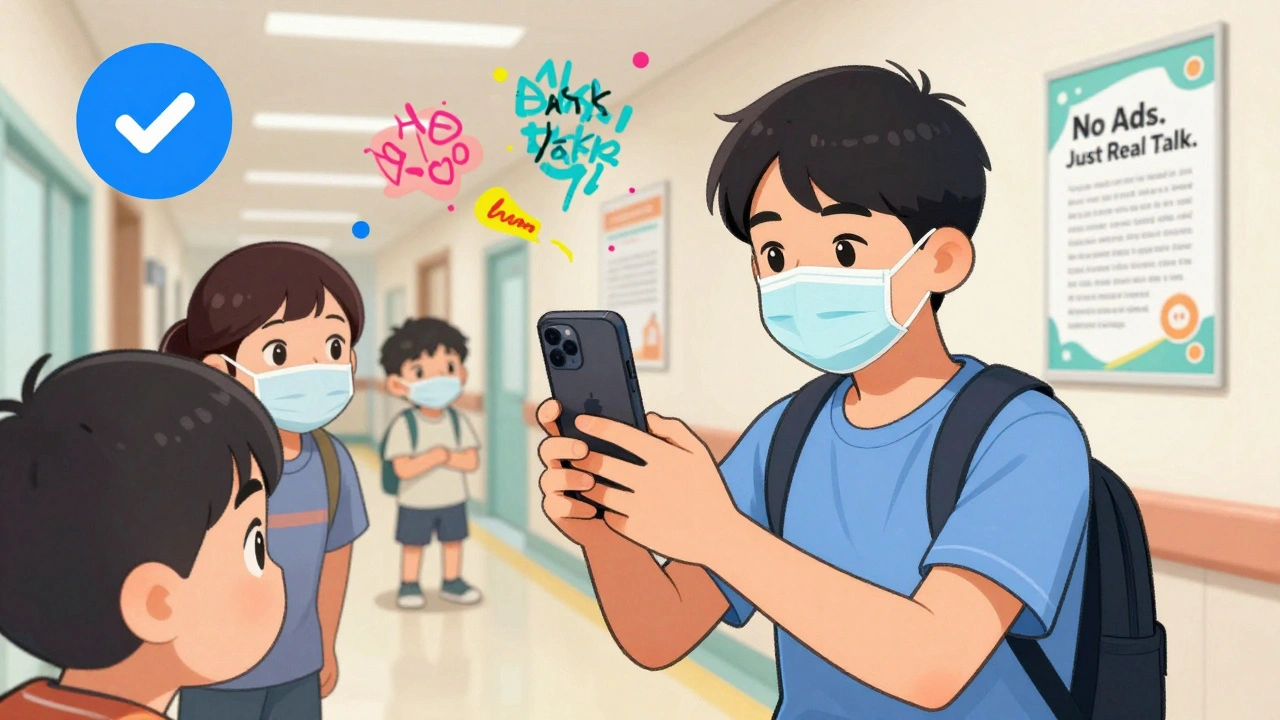
- A mental health charity in Glasgow runs a Facebook Group called “Quiet Space.” Moderators are trained peer supporters, not clinicians. The group has 14,000 members. People post at 3 a.m. They get replies within hours. No ads. No bots. Just real talk.
The common thread? Authenticity beats polish. A shaky video of someone struggling to take their pills is more powerful than a studio-shot ad with a smiling actor.
Why patient education on social media fails
Many healthcare organizations make the same mistakes:
- Posting only promotional content-“Come to our clinic!”-gets ignored. People scroll past ads. They stay for stories.
- Using too much medical language. “Hypertensive crisis” isn’t helpful. “Your blood pressure is dangerously high-here’s what to do now” is.
- Not responding to comments. A patient asks, “Is this side effect normal?” and gets no reply. That erodes trust faster than any bad review.
- Ignoring misinformation. A post claiming “vitamin C cures cancer” gets 500 likes. If no one corrects it, it spreads.
A 2025 study found that 37% of healthcare social media accounts had at least one crisis-like a viral false claim about a drug or a patient’s angry comment going public. The ones that survived had clear moderation rules: who responds, how fast, when to take it offline.
How to start-without a big budget
You don’t need a marketing team. Here’s how to begin:
- Pick one platform. Start with where your patients already are. If you serve older adults, start with Facebook. If you work with teens, try TikTok.
- Find one real patient story. Ask: “Can we share your journey to help others?” Get written permission. Film it on a phone. Keep it under 90 seconds.
- Post consistently. Three times a week is enough. Use free tools like Canva to add captions.
- Reply to every comment. Even just “Thanks for sharing” builds trust.
- Track what works. Look at views, saves, shares-not likes. Saves mean people want to come back.
One GP practice in Dundee started with one Instagram Reel per week-showing how to use an EpiPen. After three months, they had 5,000 followers. Their prescription refill rate for epinephrine auto-injectors went up 18%. Why? Because people finally understood how to use it.
The future: More than marketing-it’s community
The next big shift isn’t better videos. It’s giving patients control.
Some hospitals are training patients to run their own social accounts. At the Royal Hospital for Sick Children in Edinburgh, teens with cystic fibrosis now manage the hospital’s TikTok. They film their school days, hospital visits, and bad hair days. The account has 200,000 followers. Parents say it’s the most honest thing they’ve seen.
AI tools are helping too. Platforms now suggest captions, auto-translate videos, and flag misinformation. But they can’t replace human connection.
The goal isn’t to go viral. It’s to make one person feel less alone. To answer a question no one else will. To help someone take their medicine because they saw someone like them do it.
That’s the real power of social media in health.
What to avoid
- Don’t use stock photos of smiling patients. Real people, real moments.
- Don’t post only during Health Awareness Months. Patients need help every day.
- Don’t outsource everything. Patients spot when it’s not real.
- Don’t ignore feedback. If people say your content is confusing, change it.
Can social media replace doctor visits?
No. Social media is for education, support, and connection-not diagnosis or treatment. Patients should always consult a healthcare professional for medical advice. But social media helps them ask better questions and understand their condition before they see their doctor.
Is it safe to share health info on social media?
Yes-if done carefully. Never share names, dates, medical record numbers, or specific clinic locations. Use first names only. Get written consent before posting anyone’s story. Most platforms allow you to limit who sees posts. Use privacy settings wisely.
How do I know if health info on social media is true?
Look for sources. Trusted accounts link to NHS, WHO, or major hospitals. Check if the info matches official guidelines. Be wary of posts that promise miracle cures, use all-caps, or say “doctor banned this.” TikTok and Instagram now label verified health content with a blue checkmark from approved organizations.
What if someone posts false information in my group?
Respond quickly but calmly. Say: “Thanks for sharing. The NHS guidelines say…” and link to a trusted source. If it’s dangerous, remove the post and message the person privately. Have clear rules posted in your group description: “No medical advice, only shared experience.”
Do I need to hire a social media expert?
Not at first. Many clinics start with one staff member managing posts during lunch breaks. Use free tools: Canva for graphics, CapCut for editing, Meta Business Suite for scheduling. Once you see results, then consider training or hiring someone. The biggest mistake is waiting for perfection. Start simple.
Next steps for healthcare providers
If you’re ready to try this:
- Look at your patient demographics. What platforms do they use?
- Ask three patients: “What health info do you wish you’d found online?”
- Choose one platform. Create one post this week.
- Reply to every comment for the next 30 days.
- Check your analytics. What got saved? What got shared?
Health education isn’t about broadcasting. It’s about listening. Social media gives you a front-row seat to what patients really need.
Michaux Hyatt
December 10, 2025 AT 20:04Love this breakdown. I run a diabetes support group on Facebook and seeing people share their insulin logs in real time? That’s life-changing. One guy posted a pic of his breakfast with a blood sugar reading-people started asking him how he made his oatmeal so low-carb. Now we have a whole recipe thread. No clinic could’ve done that.
Raj Rsvpraj
December 11, 2025 AT 20:35India has been doing this for DECADES-community health workers using WhatsApp to educate rural populations. You Westerners act like this is some revolutionary discovery. Meanwhile, we’ve had Ayurvedic influencers posting about turmeric and blood sugar since 2015! And you’re just now noticing? Pathetic.
Jack Appleby
December 13, 2025 AT 01:03Let’s be precise: the data isn’t just about ‘engagement’-it’s about retention, recall, and behavioral nudging. Instagram Reels achieve 2.8x higher engagement because they leverage dual-coding theory: visual + auditory stimuli reinforce neural pathways more effectively than static text. YouTube’s 15.7-minute average watch time? That’s the sweet spot for cognitive load optimization. And TikTok’s 4.2x completion rate? Pure dopamine-driven microlearning. This isn’t marketing-it’s applied neuroeducational design.
Frank Nouwens
December 14, 2025 AT 05:07It is truly heartening to observe the evolution of health communication through digital platforms. The shift from institutional authority to peer-based validation represents a profound democratization of medical knowledge. While the potential for misinformation remains, the consistency of human connection demonstrated in these grassroots communities is, in my view, a quiet triumph of empathy over bureaucracy.
Kaitlynn nail
December 16, 2025 AT 02:02People don’t want facts. They want to feel seen. That’s it.
Aileen Ferris
December 16, 2025 AT 16:30tbh i think tiktok is just noise. all those ‘asthma hacks’? half of em are dangerous. and who even watches 15 min youtube videos anymore? my grandma uses facebook and she’s fine. why complicate it?
Michelle Edwards
December 17, 2025 AT 16:06I’ve been moderating a kidney disease group for three years. The first time someone said, ‘I didn’t think I could survive this until I saw your video,’ I cried. That’s the real metric. Not likes. Not shares. Just… someone feeling less alone. Keep showing up. Even if it’s just one person.
David Palmer
December 18, 2025 AT 17:54lol all this ‘authenticity’ crap. you think a shaky phone video is better than a professional ad? please. people want polish. they want to feel like they’re watching something made for them-not some random person’s bathroom lighting. also, why are we still talking about facebook groups? it’s 2025.
Vivian Amadi
December 19, 2025 AT 04:15So you’re telling me a 17-year-old with cystic fibrosis running a hospital’s TikTok is ‘better’ than a trained clinician? Who approved this? This isn’t empowerment-it’s negligence. And you call that ‘honest’? It’s irresponsible. Someone’s gonna die because a teen thought a dance trend was a good way to explain nebulizers.
Jimmy Kärnfeldt
December 19, 2025 AT 19:18I’ve spent 20 years in ERs and clinics. The most powerful thing I’ve ever seen? A woman with MS, crying in her car, watching a video of another woman with MS laughing while struggling to open a jar. She called her doctor the next day and asked for the right meds. Not because of a pamphlet. Not because of a website. Because she saw someone like her-not perfect, not polished, just there. That’s the magic. Not the algorithm. Not the views. Just… presence.
Ariel Nichole
December 21, 2025 AT 17:38This is so encouraging. I’m a nurse and we just started posting 30-second tips on Instagram. Last week, someone DM’d us saying their dad finally took his blood pressure meds after watching our video. We didn’t even know he was watching. That’s the kind of ripple effect we need more of.
matthew dendle
December 23, 2025 AT 17:20lol so now we’re giving social media accounts to teens with chronic illness? genius. next they’ll let them write the hospital’s policy manual. also who cares about saves? everyone knows likes are the real metric. also i saw a video where someone said ‘just drink lemon water’ for diabetes. no one corrected it. so yeah. we’re all doomed.