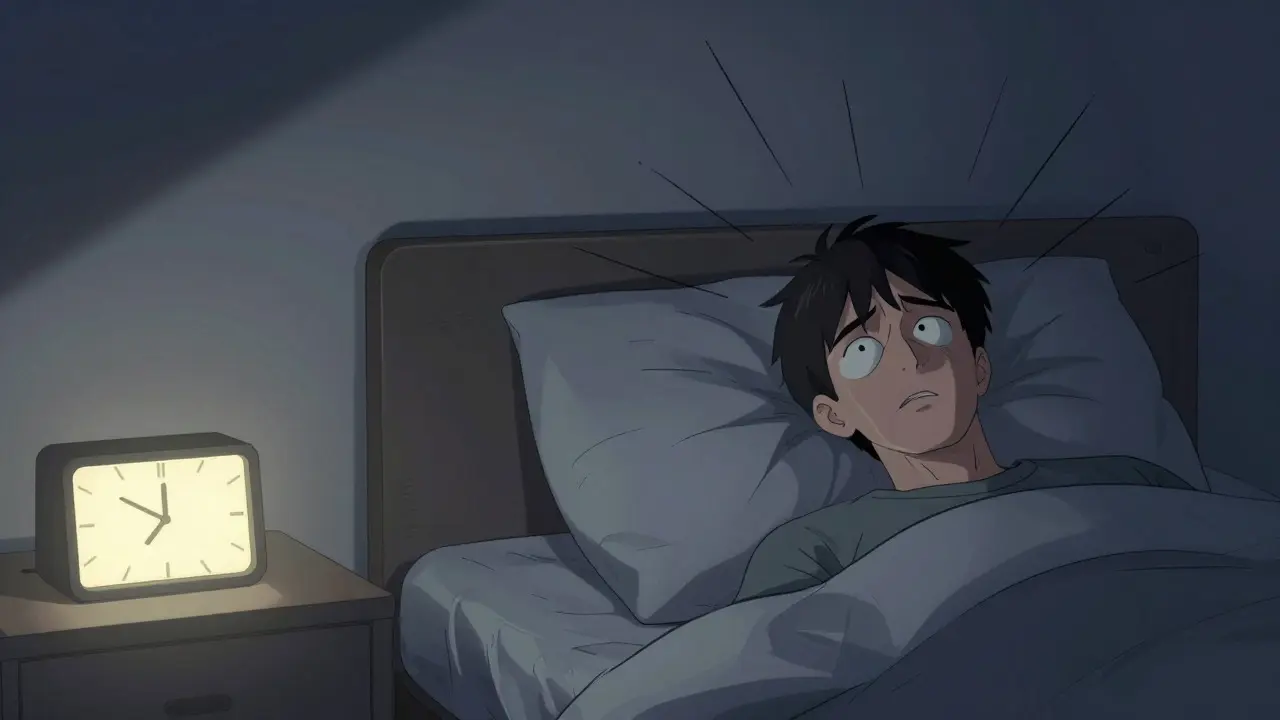
Imagine lying in bed for nine hours but only actually sleeping for five. That gap isn't just wasted time; it's the fuel keeping your insomnia alive. Sleep Restriction Therapy is a behavioral technique that flips this dynamic by matching your time in bed to your actual sleep duration. Developed by Dr. Arthur Spielman, this method aims to boost homeostatic sleep drive, or "sleep pressure," so you fall asleep faster and stay asleep longer. It’s not about staying awake on purpose forever-it’s a strategic reset. By temporarily limiting your window for sleep, you retrain your brain to associate the bed with sleep, not frustration.
Key Takeaways
- SRT limits time in bed to match average sleep time, increasing sleep efficiency.
- It is a core component of Cognitive Behavioral Therapy for Insomnia (CBT-I) and outperforms medication in long-term retention.
- Success requires strict adherence to wake times and consistent sleep diaries.
- Initial fatigue is common in weeks 1-2 but typically resolves as sleep consolidates.
- Digital platforms now offer accessible SRT protocols, reducing reliance on in-person specialists.
How Sleep Restriction Works
The logic behind Sleep Restriction Therapy is simple: if you’re tired enough, you’ll sleep better. When you spend too much time in bed relative to how much you actually sleep, your body doesn’t build up enough adenosine-the chemical that makes you feel sleepy. SRT fixes this by shrinking your bedtime window. For example, if your diary shows you sleep 5.5 hours a night but lie in bed for 7.5 hours, your new prescription might be 6 hours in bed. This creates a mild, controlled state of sleep deprivation that forces your brain to prioritize sleep over wakefulness.
This process directly targets the two main complaints of chronic insomnia: slow sleep onset and frequent nighttime awakenings. By restricting time, you reduce the opportunity for fragmented sleep. As documented in protocols from St. Peter's Sleep Center, this approach rapidly decreases light Stage N1 sleep and prolongs deep sleep cycles. The goal isn’t permanent restriction; it’s to reach a point where you can gradually expand your time in bed without losing efficiency.
Step-by-Step Implementation Protocol
Starting SRT isn't guesswork. It follows a precise, data-driven sequence. Here’s how the standard protocol unfolds:
- Track Your Baseline (7 Days): Keep a detailed sleep diary for one week. Record when you go to bed, when you fall asleep, any awakenings, and when you get up. Calculate your Total Sleep Time (TST) and Sleep Efficiency (SE). SE is calculated as (Total Sleep Time / Time in Bed) x 100.
- Set Your Initial Restriction: Your new Time in Bed (TIB) equals your average TST from the diary. If you slept 5 hours, your TIB is 5 hours. Add 15 minutes if you slept less than 4 hours to avoid excessive daytime impairment.
- Choose a Fixed Wake Time: Pick a consistent wake-up time, even on weekends. Back-calculate your bedtime based on your restricted TIB. For instance, if you wake at 6:30 AM and your TIB is 6 hours, you must be in bed by 12:30 AM.
- Execute Strictly: Go to bed only when sleepy. If you haven’t fallen asleep within 20 minutes, get up, do something quiet in dim light, and return when drowsy. No napping during the day.
- Monitor and Adjust: Review your diary weekly. If your SE stays above 85% for three consecutive nights, increase your TIB by 15-30 minutes. If SE drops below 85%, decrease TIB by 15 minutes.
Most people see significant changes within 6-8 weeks. The key is consistency. "Cheating" by staying in bed longer on weekends is the most common reason for failure, accounting for 41% of unsuccessful attempts in recent analyses.
SRT vs. Other Insomnia Treatments
Why choose behavior change over pills? The data suggests SRT offers more durable results. While benzodiazepines might help you fall asleep initially, they often lead to rebound insomnia when stopped. In contrast, SRT addresses the root cause: the mismatch between time in bed and sleep need.
| Method | Average Improvement in Sleep Efficiency | Long-Term Retention (6 Months) | Primary Risk |
|---|---|---|---|
| Sleep Restriction Therapy | 47% higher than hygiene alone | 78% sustained improvement | Initial daytime fatigue |
| Benzodiazepines | 60-70% short-term effectiveness | 32% sustained improvement | Dependency and rebound insomnia |
| Melatonin Supplements | Modest (12-18 min reduction in onset) | Variable, low efficacy for chronic cases | Minimal side effects |
| Sleep Hygiene Education Alone | Low standalone impact | Poor without behavioral components | Ineffective for severe insomnia |
Research from the American Academy of Sleep Medicine ranks CBT-I (which includes SRT) as the first-line treatment for chronic insomnia. A 2019 study specifically noted that postmenopausal women saw a 22.7% improvement in sleep efficiency with SRT, compared to just 15.3% with medication alone. The advantage here is durability. Once your brain learns to sleep efficiently, it tends to keep doing so, unlike medication which stops working the moment you stop taking it.
Managing the Challenges
Let’s be honest: being deliberately under-slept for a few weeks feels awful. About 68% of users report significant daytime fatigue during the first two weeks. This is expected and part of the process. However, it requires strategy to manage safely.
- Watch Out for Safety Risks: Avoid driving long distances or operating heavy machinery during the initial restriction phase if you feel overly drowsy. Short naps are generally discouraged because even 20 minutes can reduce sleep pressure significantly.
- Stick to the Schedule: The biggest enemy is inconsistency. Use an alarm for both bedtime and wake time. If you miss your bedtime window, don’t make up for it the next night-just follow the schedule again.
- Pair with Stimulus Control: SRT works best alongside Stimulus Control Therapy. This means using the bed only for sleep and sex. If you’re awake for more than 20 minutes, leave the room. This reinforces the mental link between bed and sleep.
- Address Anxiety: For those with comorbid anxiety disorders, SRT can sometimes feel threatening. Experts recommend pairing it with cognitive therapy to manage the fear of sleeplessness. Dr. Michael Grandner notes that careful implementation is crucial to avoid exacerbating anxiety in these patients.

Real-World Success Stories
Theoretical benefits are great, but does it work in real life? Users on platforms like Reddit’s r/Insomnia community share compelling results. One user reported that after three weeks of strict SRT, their sleep efficiency jumped from 68% to 89%. They went from lying awake for hours to falling asleep within 15 minutes. Another user described breaking a habit of spending nine hours in bed for six hours of sleep. After SRT, they achieved 7.5 hours of sleep in an 8-hour window with minimal awakenings.
These stories highlight a common theme: the initial struggle is temporary. The discomfort of the first week or two gives way to a profound sense of control. Many users note that the hardest part isn’t the lack of sleep, but resisting the urge to "cheat" by going to bed early or staying up late. Success correlates strongly with meticulous self-monitoring and combining SRT with other CBT-I techniques.
Accessing SRT: Clinicians and Digital Tools
You don’t necessarily need a therapist to start SRT, though guidance helps. In the U.S., there are approximately 1,200 CBT-I-certified clinicians listed by the Society of Behavioral Sleep Medicine. Finding one can be difficult due to limited availability and insurance gaps; only 12 states currently require insurance coverage for CBT-I.
Digital solutions are bridging this gap. FDA-cleared apps like Somryst and platforms like Sleepio offer structured SRT programs. A 2023 evaluation found that digital CBT-I tools showed 72% user satisfaction and demonstrated 64% efficacy in delivering SRT remotely. These tools automate the calculations for you, sending reminders and adjusting your schedule based on your input. For many, this accessibility is the difference between trying the therapy and giving up due to logistical hurdles.
Frequently Asked Questions
How long does Sleep Restriction Therapy take to work?
Most people notice improvements in sleep onset latency within the first 1-2 weeks. Significant consolidation of sleep usually occurs within 6-8 weeks. Full completion of the protocol, including gradual expansion back to normal sleep duration, can take several months depending on individual response.
Is Sleep Restriction Therapy safe for everyone?
It is generally safe for healthy adults with chronic insomnia. However, it may not be suitable for individuals with severe depression, bipolar disorder, or those who operate heavy machinery daily without safety precautions. People with comorbid anxiety should consult a specialist to ensure it is paired with appropriate cognitive strategies.
Can I nap during Sleep Restriction Therapy?
Generally, no. Naps reduce sleep pressure, which undermines the core mechanism of SRT. If you must nap due to extreme fatigue, keep it under 20 minutes and before 3 PM. Ideally, resist napping entirely until your sleep efficiency stabilizes above 85%.
What happens if my sleep efficiency drops below 85%?
If your sleep efficiency falls below 85% for a few nights, it’s a signal that your current time-in-bed window is too long. You should decrease your time in bed by 15 minutes. This re-introduces mild sleep pressure and helps consolidate sleep again. Don’t panic; fluctuations are normal.
Do I need a doctor to prescribe Sleep Restriction Therapy?
No, SRT is a behavioral technique you can implement yourself using a sleep diary. However, working with a CBT-I certified clinician or using a validated digital platform provides structure and accountability, which significantly improves success rates. Professional guidance helps navigate the tricky adjustments and manage potential anxiety.