Drug Safety Signals: What They Are and Why They Matter
When a medicine is approved, it’s tested in thousands of people—but real-world use reveals things clinical trials can’t catch. That’s where drug safety signals, early warning signs of unexpected or serious side effects from medications after they’re released to the public. Also known as adverse drug reaction signals, they’re the red flags that trigger deeper investigations by health agencies like the FDA and WHO. These aren’t just random complaints. They’re patterns: dozens of reports of liver damage from a new painkiller, sudden heart rhythms in elderly patients on a common antibiotic, or unexplained seizures in teens taking a new ADHD drug. When enough similar cases pile up, regulators dig in—and sometimes, drugs get boxed warnings, restricted use, or pulled entirely.
Behind every drug safety signal is pharmacovigilance, the science and activities focused on detecting, assessing, understanding, and preventing adverse effects of medicines. It’s not just about big pharma or government labs. Patients, doctors, and pharmacists all play a role. A nurse notices a spike in falls among seniors on a new blood pressure pill. A pharmacist sees three patients in one week with severe rashes after switching generics. These aren’t isolated incidents—they’re pieces of a puzzle. The system relies on people reporting what they see. And when signals are confirmed, changes follow: updated labels, new warnings, or even safer alternatives like switching from a high-risk antihistamine to a non-sedating one to reduce dementia risk in older adults.
Drug safety signals don’t mean every drug is dangerous. Most side effects are predictable and mild—like nausea or drowsiness. But the unpredictable ones? Those are the ones that change medicine. Think of the link between TNF inhibitors and TB reactivation, or how corticosteroids can trigger dangerous spikes in blood sugar. These weren’t obvious in trials. They showed up only after millions of doses were given. That’s why post-market surveillance, ongoing monitoring of drugs after approval to detect rare or long-term risks. matters more than ever. It’s how we learn that a drug that works great for rheumatoid arthritis might cause serious infections in someone with a hidden TB infection. Or why language barriers can turn a simple prescription into a life-threatening error. And why organizing your meds, checking your allergy list, or knowing your pharmacy’s cash prices isn’t just convenient—it’s part of staying safe.
What you’ll find below are real-world stories of how drug safety signals show up, how they’re handled, and what you can do to protect yourself. From how generics are proven safe through bioequivalence studies to why travel storage matters for insulin, these posts show the quiet, daily work of keeping medications safe for everyone. You’re not just reading about drugs—you’re learning how to spot the signs that could save your life or someone else’s.
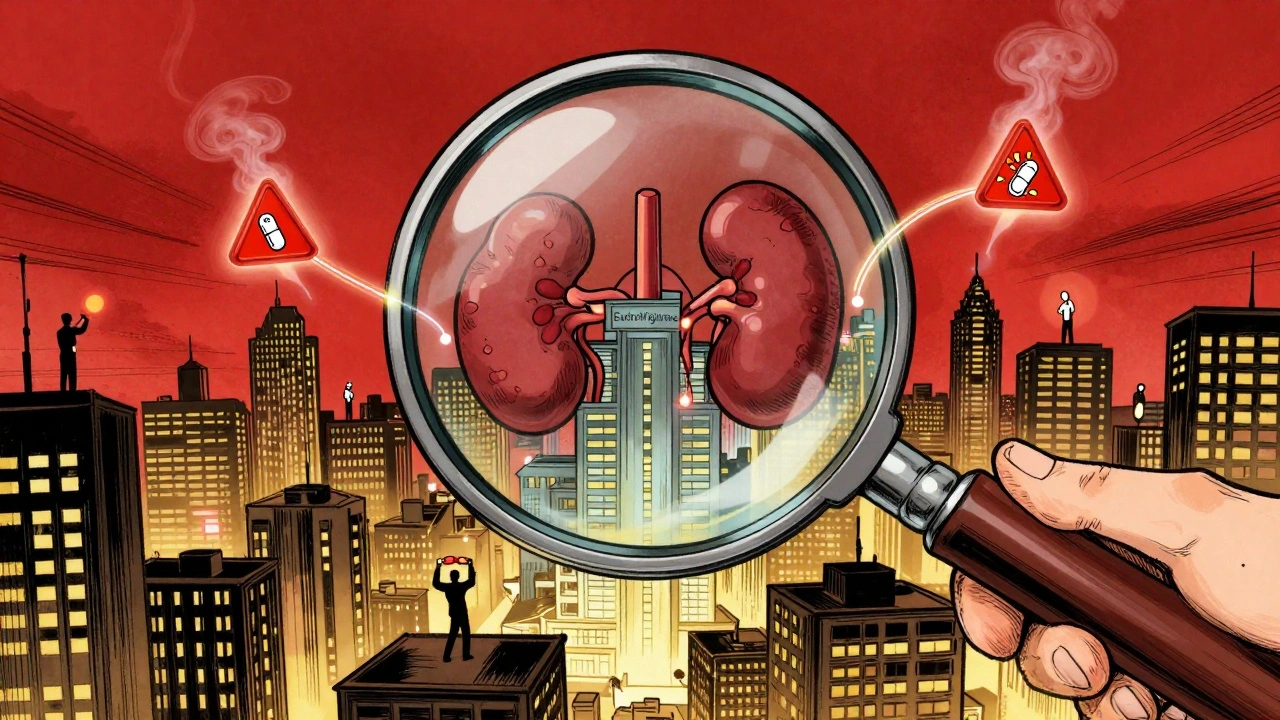
Drug Safety Signals and Clinical Trials: How Hidden Risks Emerge After Approval
Drug safety signals emerge after approval when real-world use reveals risks clinical trials missed. Learn how signals are detected, why they matter, and how regulators act on them to protect patients.