Etanercept: What It Is, How It Works, and What You Need to Know
When you hear etanercept, a biologic medication that targets inflammation by blocking TNF-alpha, a key driver of autoimmune disease. Also known as Enbrel, it's one of the first and most widely used TNF inhibitors in modern medicine. Unlike traditional drugs that suppress your whole immune system, etanercept acts like a precision tool—it stops a specific protein called tumor necrosis factor-alpha from triggering joint damage, skin flare-ups, and chronic inflammation.
It’s not a cure, but for many people with rheumatoid arthritis, psoriasis, or ankylosing spondylitis, it’s life-changing. Studies show over half of patients see at least a 50% reduction in symptoms within three months. It’s given as a weekly injection, usually at home, and many people stay on it for years. But it’s not for everyone. If you have recurring infections, heart failure, or certain nervous system conditions, your doctor will likely look at other options. It also doesn’t work alone—most people combine it with methotrexate or other disease-modifying drugs to get the best results.
Etanercept doesn’t fix everything. Some people don’t respond at all. Others start to lose effectiveness over time. That’s why you’ll see posts here about alternatives like adalimumab or ustekinumab, and why managing side effects—like injection site reactions or increased risk of infections—is just as important as the treatment itself. You’ll also find advice on how to track your progress, what blood tests to ask for, and how to talk to your doctor when the drug stops working as well as it used to. This collection doesn’t just explain etanercept—it shows you how it fits into the bigger picture of autoimmune care, what to expect, and how to make smart choices when things get complicated.
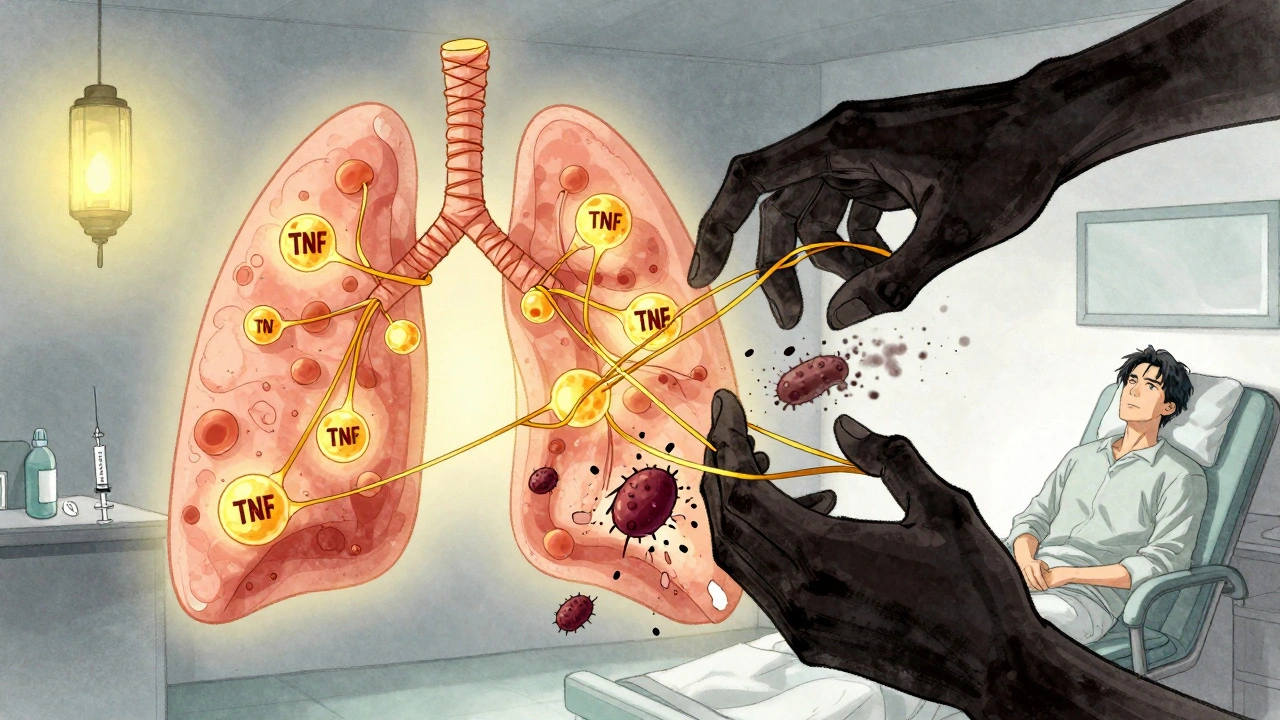
TNF Inhibitors and TB Reactivation: Screening and Monitoring Guidelines
TNF inhibitors effectively treat autoimmune diseases but carry a risk of reactivating latent tuberculosis. Screening with TST or IGRA, treating latent TB before starting therapy, and ongoing symptom monitoring are essential to prevent life-threatening complications.