Glucocorticoid Monitoring: What You Need to Track and Why It Matters
When you take glucocorticoids, a class of synthetic steroids used to reduce inflammation and suppress the immune system. Also known as corticosteroids, they’re prescribed for conditions like rheumatoid arthritis, asthma, and lupus—but they don’t come without risks. Long-term use can quietly shut down your body’s natural cortisol production, leading to adrenal suppression. That’s why glucocorticoid monitoring isn’t optional—it’s essential for safety.
Doctors don’t just hand out these drugs and hope for the best. They track cortisol levels, the hormone your adrenal glands make naturally to see if your body’s still working on its own. If cortisol drops too low, you could face fatigue, low blood pressure, or even an adrenal crisis under stress. They also watch for adrenal suppression, a condition where your body stops making enough cortisol because the drug has told your glands to take a break. This isn’t rare—it happens in up to 40% of people on daily steroids for more than three weeks. That’s why tapering isn’t just a suggestion; it’s a medical necessity.
Glucocorticoid monitoring also catches other hidden problems: rising blood sugar (even in people without diabetes), bone thinning, high blood pressure, and mood swings. These aren’t side effects you can ignore. That’s why people on long-term therapy get regular blood tests, bone density scans, and blood pressure checks. It’s not about fear—it’s about control. You’re not just taking a pill; you’re managing a system-wide change in your body’s chemistry.
Some of the posts below show how medication safety ties into this. One looks at how TNF inhibitors can trigger TB reactivation, which is often managed with steroids. Another explains how to avoid dangerous drug interactions when you’re on multiple prescriptions. There’s even a guide on how to keep your meds stable during travel—something that matters if you’re on daily steroids and heading out of town. You’ll find real advice on what to ask your doctor, what tests to push for, and how to spot early warning signs before things get serious. This isn’t theoretical. It’s about keeping you safe while you get the benefit of these powerful drugs.
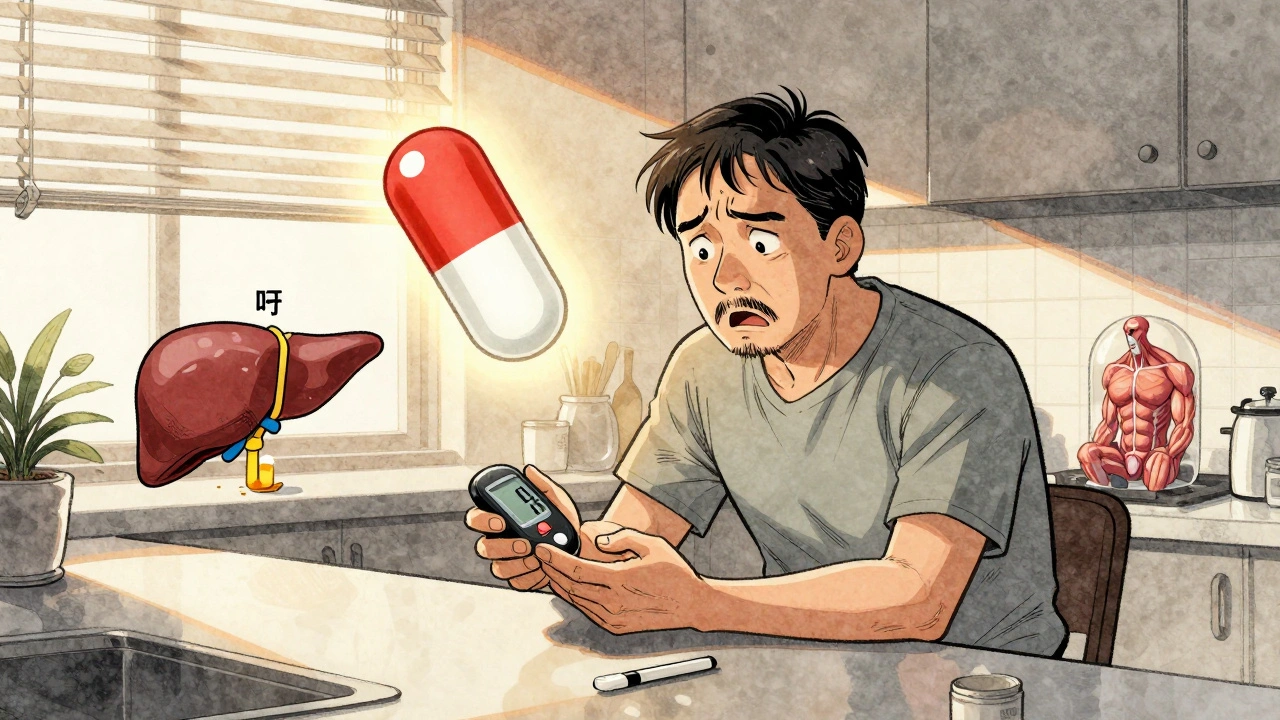
Corticosteroid-Induced Hyperglycemia and Diabetes: How to Monitor and Manage It
Corticosteroid-induced hyperglycemia is a common and dangerous side effect of steroid therapy. Learn how to monitor blood sugar, when to start insulin, and how to prevent complications in both hospital and home settings.