GoodRx: How It Saves Money on Prescriptions and What You Need to Know
When you need a prescription filled, GoodRx, a price-comparison service that helps patients find the lowest cash prices for medications at local pharmacies. Also known as a pharmacy discount card, it doesn't replace insurance but often beats it—especially for generics. Millions use it every month because it cuts costs without paperwork, approvals, or waiting. You don’t need an account. Just enter the drug name, and it shows you nearby pharmacies with the cheapest price—sometimes under $5 for a 30-day supply.
GoodRx works by negotiating directly with pharmacies and pharmacy benefit managers (PBMs). It’s not insurance, so it’s available to everyone, even if you have Medicare, Medicaid, or no coverage at all. Many people don’t realize that the price on their insurance statement isn’t always the lowest. For example, a 30-day supply of metformin might cost $12 with insurance but only $4 with GoodRx. The same goes for common drugs like lisinopril, atorvastatin, or levothyroxine. Generic medications, chemically identical versions of brand-name drugs that cost far less. Also known as off-patent drugs, they make up over 90% of prescriptions in the U.S. and are the backbone of GoodRx’s savings. GoodRx highlights these drugs because they’re the most price-sensitive—and the most overpriced when you don’t shop around.
It’s not just about saving a few dollars. For people with chronic conditions like diabetes, high blood pressure, or depression, the savings add up fast. One user saved $300 a year just switching from brand-name Synthroid to the generic version using GoodRx. Another cut their monthly pill cost from $89 to $12. That’s not a one-time deal—it’s a habit that changes how you manage health spending. And since GoodRx also shows coupons, free trials, and mail-order options, you can combine it with pharmacy delivery, a service that ships medications directly to your home, often with 90-day supplies. Also known as mail-order pharmacy, it reduces trips to the store and lowers per-pill costs even more. GoodRx even lets you compare prices at CVS, Walgreens, Walmart, and independent pharmacies in real time.
Some people worry it’s too good to be true. But it’s legal, transparent, and widely used by doctors and pharmacists too. The discounts come from bulk purchasing agreements—not scams. And while GoodRx doesn’t cover every drug (especially newer biologics or specialty meds), it covers the vast majority of what people take daily. If you’re on a fixed income, juggling multiple prescriptions, or just tired of paying full price, GoodRx is one of the few tools that actually works without bureaucracy.
Below, you’ll find real-world guides on how to use GoodRx with your existing meds, how to spot when it’s better than insurance, and how to avoid common mistakes—like using it for drugs that are already cheap or missing out on 90-day savings. Whether you’re managing chronic pain, thyroid issues, or high blood pressure, the right savings strategy can make a bigger difference than you think.
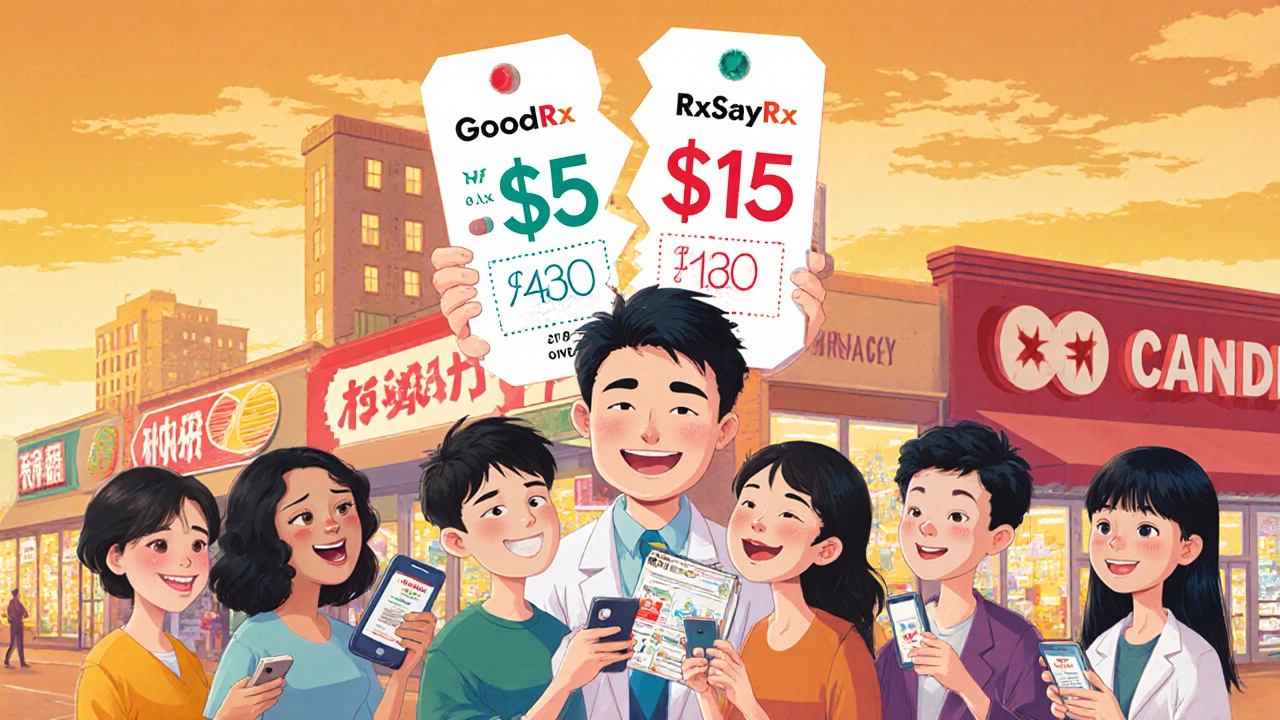
How to Shop Pharmacies for the Best Cash Price on Medications
Learn how to find the lowest cash prices on prescription medications using free discount tools like GoodRx, comparing pharmacy chains, and talking to pharmacists. Save hundreds per year without insurance.