Overseas Food Plant Compliance: What You Need to Know About Global Food Safety Standards
When you buy packaged food from another country, it didn’t just show up on your shelf—someone had to make sure it was safe to eat. Overseas food plant compliance, the set of rules foreign food facilities must follow to export to the U.S. is how the FDA keeps unsafe or contaminated products out of American homes. It’s not just paperwork—it’s a real system of inspections, documentation, and enforcement that touches everything from canned tuna in Thailand to cheese from Italy. Without it, you’d have no way to know if your imported snacks were made in clean, regulated conditions.
This system connects directly to foreign food inspections, on-site checks done by U.S. officials at overseas facilities. The FDA doesn’t have unlimited resources, so they focus on high-risk facilities—those with past violations, or those making products linked to outbreaks, like spices, seafood, or baby formula. Then there’s foreign food registration, the mandatory listing of every facility that exports food to the U.S.. If a plant isn’t registered, its products get turned away at the border. And import food regulations, the legal framework that defines what’s allowed, how it’s tested, and what happens when it fails. These aren’t vague guidelines—they’re enforceable rules backed by detention orders, fines, and import bans.
It’s easy to think compliance is just a government chore, but it’s personal. A single contaminated batch of spices from overseas can trigger nationwide recalls. A factory skipping sanitation steps can send salmonella into your kitchen. That’s why the FDA uses risk-based targeting: they don’t inspect every plant equally. They look at history, product type, country of origin, and even past shipment data. The goal isn’t to shut down foreign producers—it’s to make sure they meet the same basic standards as U.S. plants. And while you won’t see the inspectors in action, you benefit every time you open a package without getting sick.
What you’ll find in the posts below are real-world examples of how food safety works—not just in theory, but in the labs, ports, and factories that keep your food secure. You’ll see how inspections catch problems before they reach you, how documentation gaps lead to delays, and why some countries face more scrutiny than others. This isn’t about bureaucracy—it’s about the quiet system that makes sure your imported food doesn’t cost you your health.
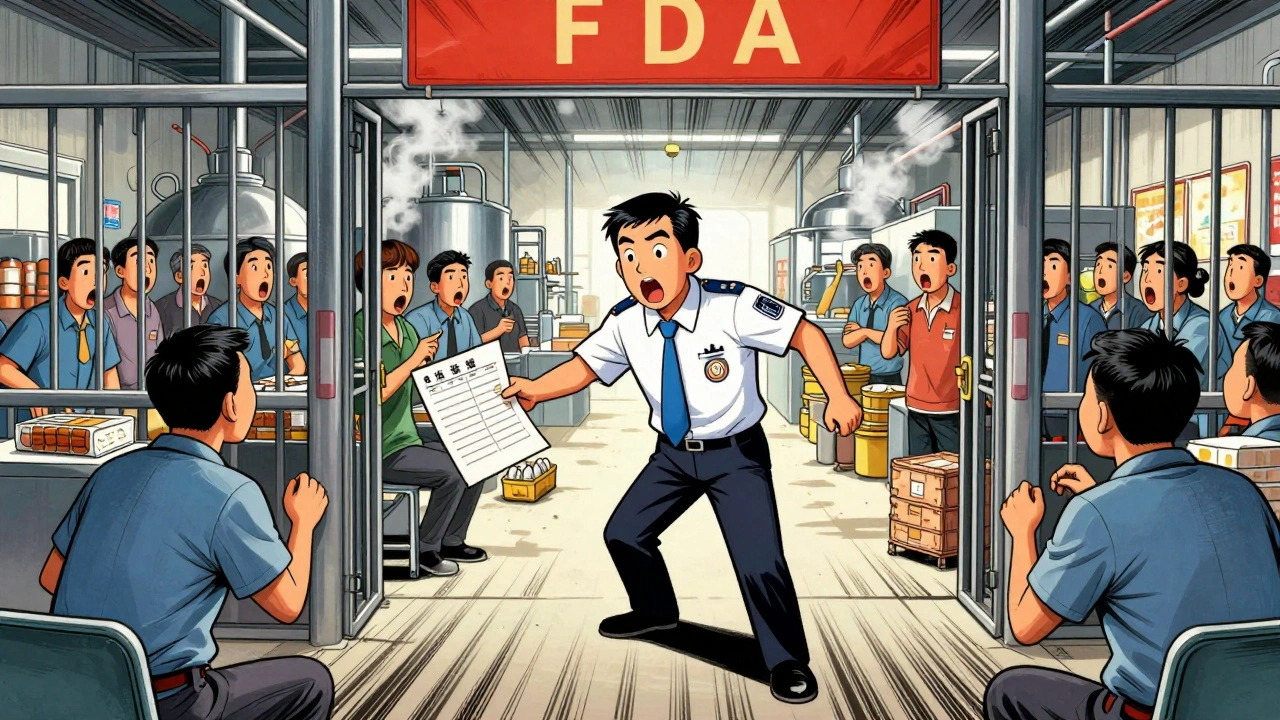
FDA Foreign Facility Inspections: What Overseas Food Plants Must Now Do to Stay Compliant
The FDA now conducts unannounced inspections of overseas food plants to ensure imported products meet U.S. safety standards. Learn what facilities must do to stay compliant and avoid import bans or criminal penalties.