Patient Safety: How to Avoid Medication Errors and Stay Protected
When you take medicine, patient safety, the practice of preventing harm during medical care. Also known as medication safety, it’s not about trusting your doctor alone—it’s about knowing how to protect yourself every single day. Too many people end up in the hospital not because their condition got worse, but because of a simple mistake: the wrong pill, the wrong dose, or a drug that clashed with something else they were taking.
Medication errors, mistakes in prescribing, dispensing, or taking drugs happen more often than you think—half of them are preventable. One study found that over 1.5 million people in the U.S. are hurt each year by avoidable drug mistakes. That’s not rare. That’s everyday risk. And it’s not just about pills. It’s about EHR allergy records, electronic health records that track your known drug allergies. If your doctor’s system says you’re allergic to penicillin but your pharmacy’s doesn’t, you could get a dangerous reaction. Updating those records across every provider isn’t paperwork—it’s a life-saving habit.
You don’t need to be a medical expert to keep yourself safe. You just need to be organized. Pill organizer, a simple tool to sort daily medications by time and dose isn’t just for seniors. If you take five or more meds a day, it’s a must. Missing a dose or doubling up can turn a helpful drug into a hazard. And if you’ve ever wondered why your doctor keeps asking about your allergies, or why they check your list every visit—it’s because drug reactions, unexpected and sometimes deadly responses to medications don’t always show up on tests. They show up in your symptoms, your history, and how well you speak up.
Some risks are obvious—like mixing opioids with benzodiazepines and risking breathing failure. Others are quiet: a common antihistamine slowly raising your dementia risk, or a blood pressure drug you didn’t know could spike your numbers. The tools to avoid these aren’t hidden in labs. They’re in your hands: a GoodRx app to check cash prices so you don’t skip doses because of cost, a pill tracker to spot missed meds, a printed allergy list you carry in your wallet. These aren’t fancy tricks. They’re basic habits that cut risk by half.
What you’ll find below isn’t theory. It’s real advice from people who’ve been there—the mom who fixed her family’s med chaos with a simple organizer, the guy who caught a deadly interaction before it happened, the senior who learned how to update his EHR records after nearly getting the wrong drug. These aren’t stories about perfect patients. They’re about ordinary people doing the right thing, one small step at a time. And you can too.
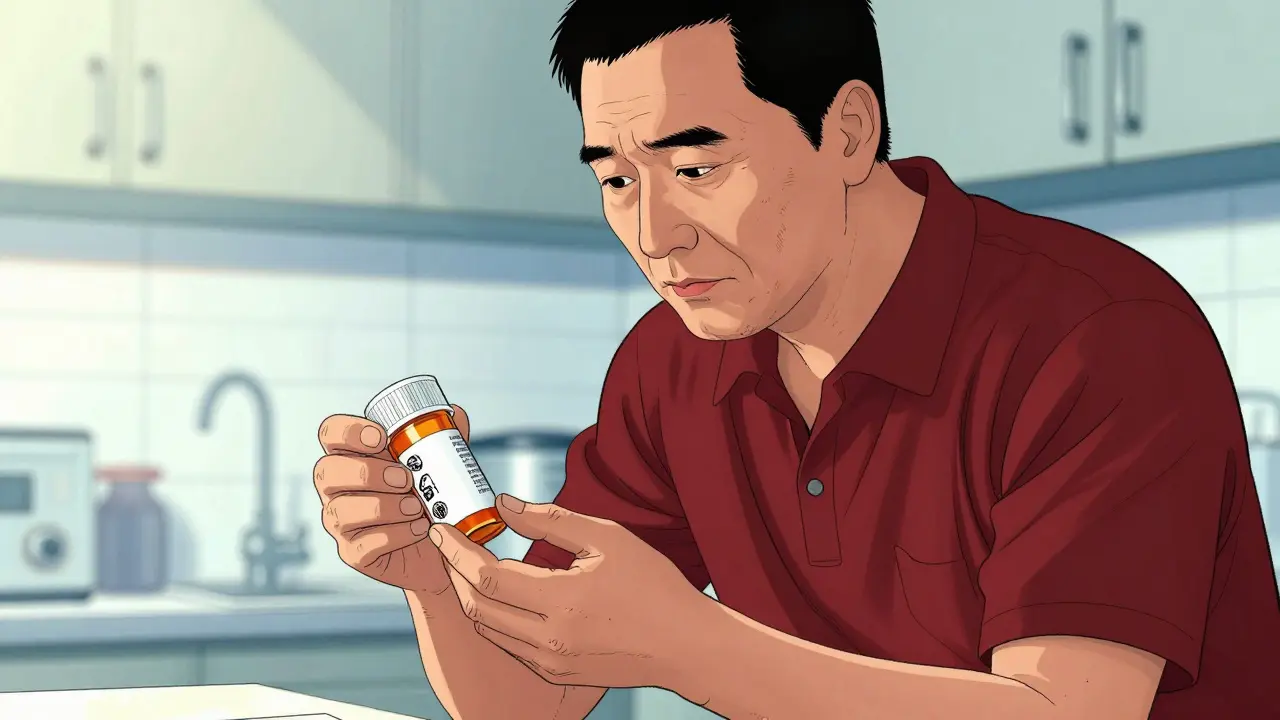
Five Essential Rules for Taking Medication Safely
Master the essential rules for medication safety based on professional standards. Learn how to apply the Five Rights at home to prevent errors.
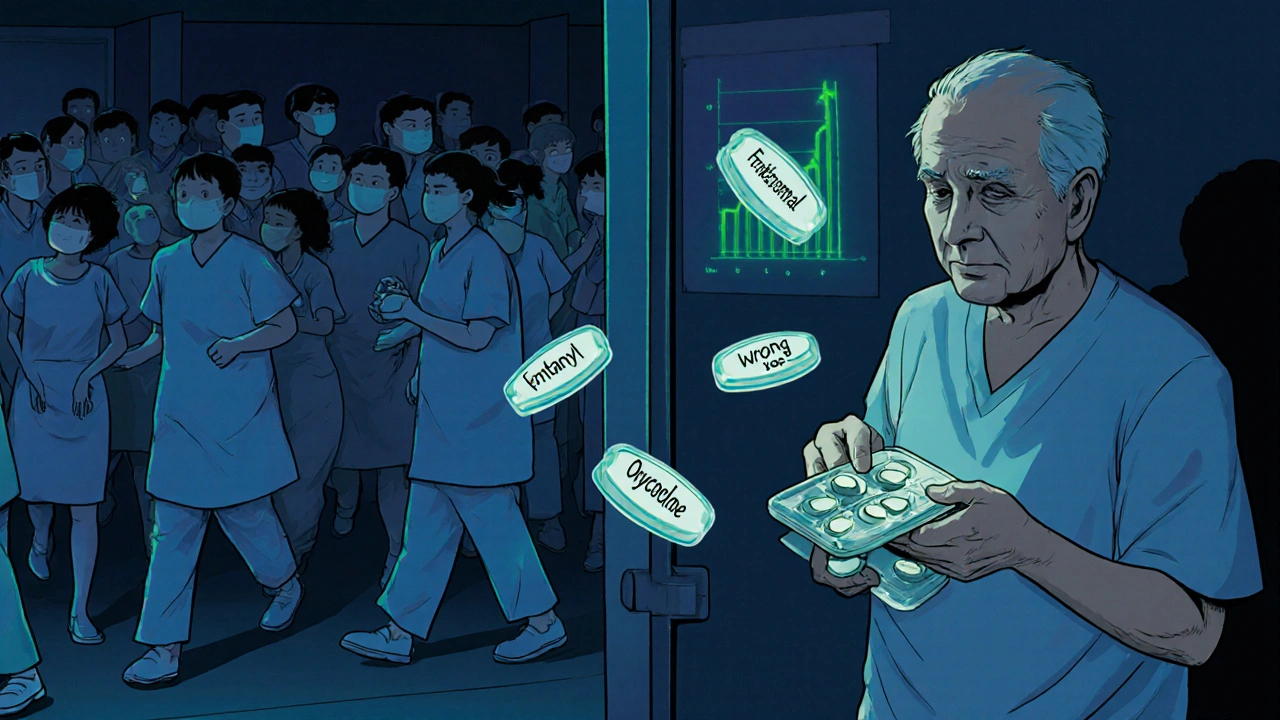
Why Medication Safety Is a Public Health Priority in Healthcare
Medication errors cause over 1.5 million ER visits annually in the U.S. alone. This article explains why medication safety is a critical public health priority, backed by data on costs, deaths, and proven solutions.