Pharmacovigilance: What It Is and Why It Keeps Your Medications Safe
When you take a new medication, you trust that it’s been tested and approved. But what happens after it’s on the shelf? That’s where pharmacovigilance, the science of monitoring drug safety after approval. Also known as post-market surveillance, it’s the quiet system that watches for problems doctors and clinical trials might miss. Every drug has side effects—some common, some rare. Pharmacovigilance doesn’t just track those side effects. It connects the dots between patient reports, hospital data, and global drug use to find patterns that could mean danger.
Think of it like a early warning system. A patient in Texas reports dizziness after starting a new blood pressure pill. A nurse in Germany notices more kidney issues than expected with a diabetes drug. These aren’t isolated complaints. Pharmacovigilance gathers them, analyzes them, and asks: Is this a coincidence—or a hidden risk? It’s how we learned that certain antidepressants can raise dementia risk in older adults, or why some painkillers cause dangerous heart rhythms in people with existing conditions. This isn’t theory. It’s real-time, real-world safety checking.
And it’s not just about bad reactions. Pharmacovigilance also helps explain why generics work the same as brand-name drugs, why some people react differently to the same pill, and how temperature changes during shipping can make a life-saving EpiPen useless. It ties directly to adverse drug reactions, harmful and unintended responses to medications, which cause over 1.5 million emergency room visits in the U.S. every year. It’s also why medication errors, mistakes in prescribing, dispensing, or taking drugs are tracked not just by hospitals, but by national databases that feed into global safety reports.
What you’ll find in the posts below isn’t just a list of articles. It’s a map of how pharmacovigilance shows up in everyday health decisions. You’ll see how it affects whether a generic drug can be swapped for a brand name, why your allergy list needs to be updated across all providers, and how language barriers can turn a simple prescription into a life-threatening mistake. You’ll learn how steroids can spike blood sugar, how TB can wake up after years of dormancy because of autoimmune drugs, and why some migraine meds are safer for your heart than others. These aren’t random topics—they’re all pieces of the same safety puzzle.
Pharmacovigilance doesn’t make headlines. But when it works, you never hear about the accident that didn’t happen. The overdose that was caught. The drug that got pulled before it hurt thousands. This is the invisible shield between you and dangerous side effects. And now, you know how it works.
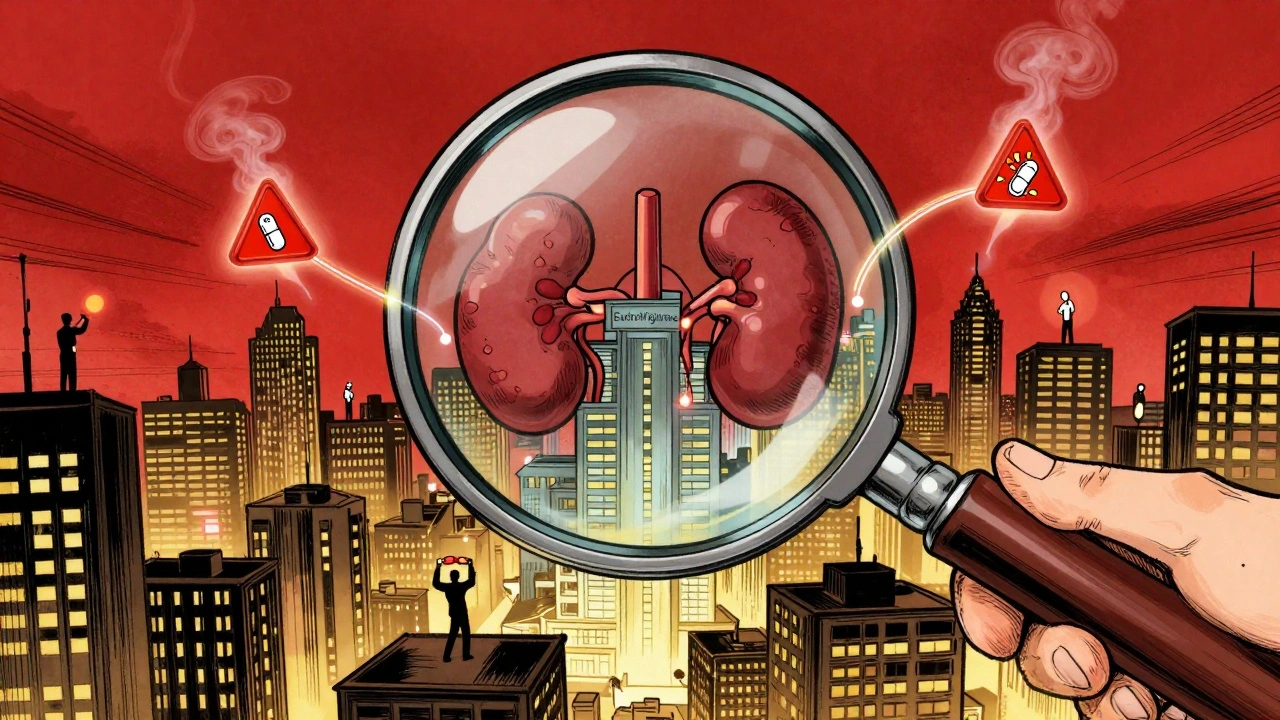
Drug Safety Signals and Clinical Trials: How Hidden Risks Emerge After Approval
Drug safety signals emerge after approval when real-world use reveals risks clinical trials missed. Learn how signals are detected, why they matter, and how regulators act on them to protect patients.