Viral Skin Bumps: What Causes Them and How to Handle Them
When you notice sudden bumps on your skin, it’s easy to panic. But not all skin bumps are the same. viral skin bumps, skin reactions triggered by viruses like molluscum contagiosum, hand-foot-and-mouth, or even the common cold virus. Also known as viral rashes, these often appear as small, raised, sometimes itchy or painful spots that come and go without treatment. Unlike allergic reactions or bacterial infections, viral skin bumps usually don’t need antibiotics—they run their course like a cold. The body fights them off on its own, but knowing the difference matters because mislabeling them can lead to wrong treatments or unnecessary worry.
Some viral skin bumps overlap with conditions like cold urticaria, a reaction where hives appear after exposure to cold temperatures. Also known as cold-induced hives, this isn’t caused by a virus but can look identical to one—itchy red welts that flare up after swimming or stepping into an air-conditioned room. Another related issue is hives from cold, a type of physical urticaria where temperature change triggers the immune system to release histamine. Also known as cold allergy, it’s not infectious, but people often confuse it with viral rashes because the symptoms match. The key difference? Viral bumps spread slowly, often in clusters, and may come with fever or fatigue. Cold-induced hives show up minutes after exposure and fade within hours when warmed.
If you’ve ever had a child with tiny pearl-like bumps on their arms or legs, that’s likely molluscum contagiosum—a common viral skin infection in kids. It’s not dangerous, but it’s contagious. Adults can get it too, especially through close contact or shared towels. Other viruses like chickenpox or measles cause more widespread rashes, but even mild ones like Epstein-Barr (mono) can trigger skin bumps. The good news? Most viral skin bumps don’t leave scars and clear up in weeks to months. What you need isn’t strong medicine—it’s patience, avoiding scratching, and knowing when to see a doctor.
Some of the posts below dig into how temperature affects skin reactions, like cold-induced urticaria, and why misdiagnosing a viral rash as an allergy can lead to wrong treatments. Others explain how to tell the difference between harmless bumps and signs of something more serious. You’ll find practical tips on when to wait it out, what to avoid, and how to keep from spreading it to others. Whether you’re dealing with a rash on your child, yourself, or just trying to understand what’s going on, this collection gives you real, no-fluff answers based on medical evidence—not guesswork.
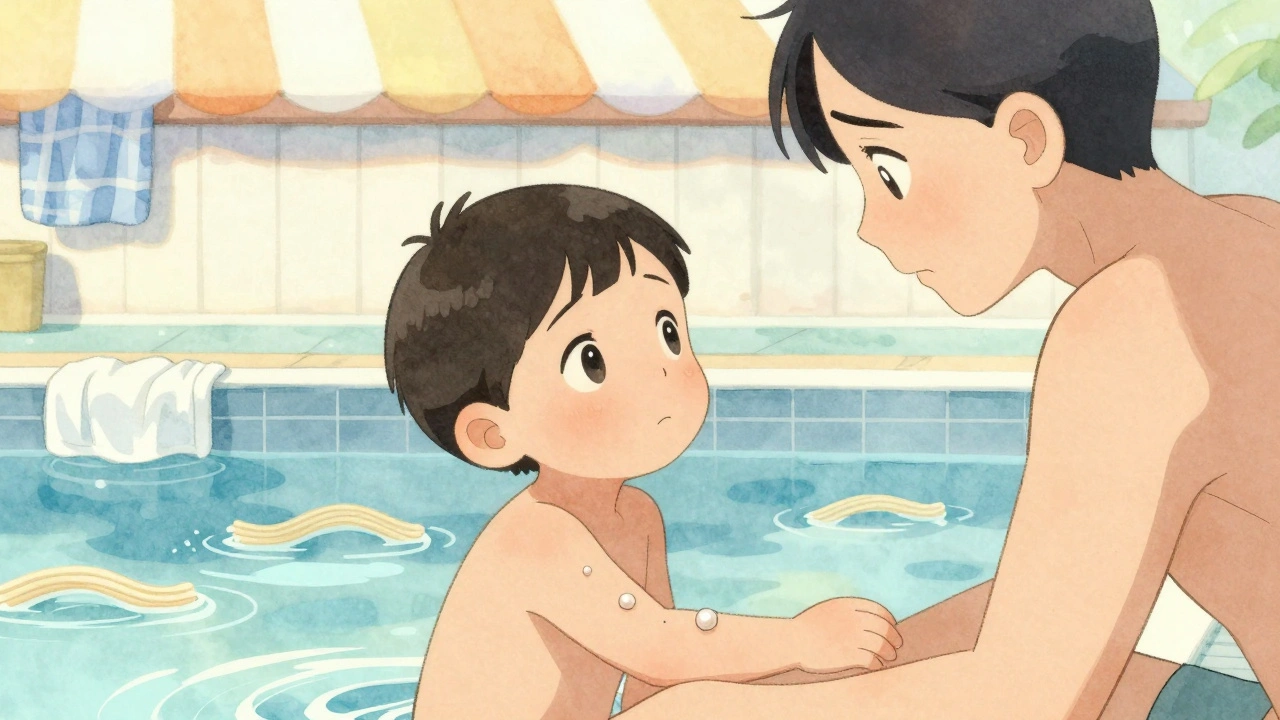
Molluscum Contagiosum: What It Is, How It Spreads, and Realistic Treatment Options
Molluscum contagiosum causes harmless but contagious skin bumps that usually clear on their own. Learn what they look like, how they spread, and which treatments actually work - without unnecessary pain or scarring.