Author: Tamara Miranda Cerón - Page 2

Future Biosimilars: Upcoming Patent Expirations and Market Entry
Upcoming patent expirations for major biologics like Keytruda and Eylea will trigger a wave of biosimilars, cutting costs and reshaping healthcare. Learn how these complex drugs differ from generics, who's developing them, and what it means for patients and providers.

Type 2 Diabetes: Understanding Insulin Resistance and Metabolic Syndrome
Type 2 diabetes is driven by insulin resistance and metabolic syndrome - not just high sugar. Learn how these hidden conditions develop, how to spot them early, and what actually reverses them - backed by 2024-2026 research.

HIV Medications with Statins: Safe Choices and Side Effects
HIV medications can dangerously interact with statins, increasing the risk of muscle damage. Learn which statins are safe, what doses to use, and how to avoid life-threatening side effects when managing cholesterol with HIV.

Age-Related Macular Degeneration: Understanding Central Vision Loss and Anti-VEGF Treatment
Age-related macular degeneration (AMD) is the leading cause of central vision loss in people over 55. Dry AMD slowly degrades vision, while wet AMD, treated with anti-VEGF injections, can cause rapid damage. Learn how to recognize signs, reduce risk, and manage treatment.

How to Read Prescription Labels When Traveling or Crossing Time Zones
Learn how to read prescription labels for international travel, convert dosing times to UTC, and avoid customs issues or missed doses when crossing time zones. Essential tips for safe, stress-free travel with medication.

Hemodialysis vs. Peritoneal Dialysis: What You Need to Know About Kidney Replacement Therapies
Hemodialysis and peritoneal dialysis both treat kidney failure, but they work differently. One uses a machine; the other uses your belly. Learn which might be right for you based on lifestyle, health, and long-term outcomes.

Drug Safety Monitoring: How FDA Watches Generics After Approval
The FDA monitors generic drugs after approval using real-time data, inspections, and adverse event tracking to catch safety issues that don't show up in pre-market studies. Learn how systems like FAERS and Sentinel protect millions of patients.

FDA-Approved Medications You Can Flush Down the Toilet (And Why)
The FDA allows flushing only 15 specific medications down the toilet to prevent fatal overdoses in children and pets. Learn which drugs are on the list, why flushing is allowed, and how to do it safely.

Carbamazepine and Oral Contraceptives: Why Breakthrough Bleeding Means Contraceptive Failure
Carbamazepine can cut birth control effectiveness by up to 60%, leading to breakthrough bleeding and unplanned pregnancies. Learn why pills fail, what actually works, and how to protect yourself.
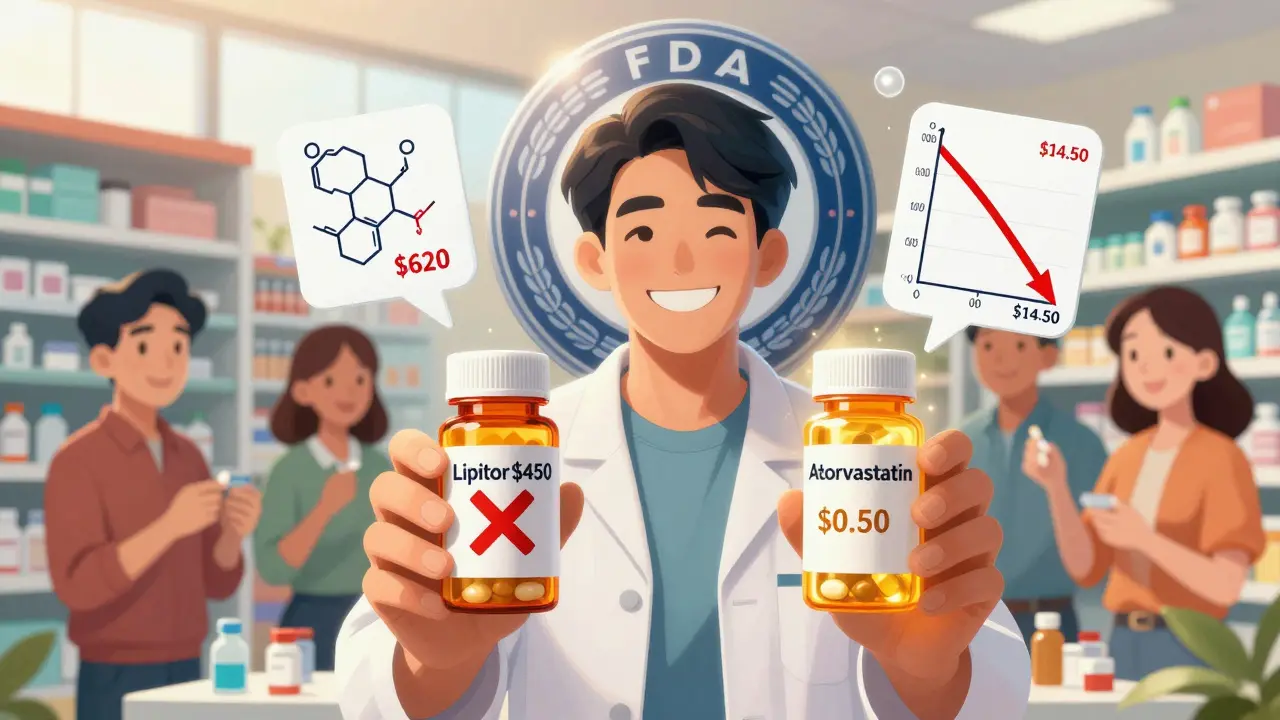
How to Save Money with Generics without Sacrificing Safety
Generics save patients billions each year and are just as safe as brand-name drugs. Learn how to switch wisely, avoid hidden risks, and cut prescription costs without compromising your health.

Low-GI Diet Explained: How Glycemic Index Affects Weight Control
Exploring how the low-GI diet works for blood sugar control and weight management. What science says, which foods to eat, and practical tips for everyday use.

ADHD Medications in Adolescents: Growth, Appetite, and Side Effect Monitoring Guide
Adolescents on ADHD medications often face growth and appetite challenges. This guide explains monitoring protocols, management strategies, and real data to help parents and doctors navigate these side effects effectively.